
In business, one of the most crucial steps in managing supplier relationships and keeping financial records transparent is the use of purchase orders. Commonly shortened to PO, a purchase order is a formal document created by a buyer and sent to a seller to request specific goods or services. It includes details such as the type of product, the agreed-upon price, the quantity, and the terms of delivery.
Although the concept sounds straightforward, purchase orders play a powerful role in modern commerce. They not only streamline internal processes but also help prevent misunderstandings between trading partners. With advances in technology, POs are increasingly digital, yet their core purpose remains the same: to create a clear record of what is being bought and on what terms.

The Purpose of Purchase Orders
Purchase orders serve as the first step in the procurement process. By documenting exactly what a buyer wants, they reduce the chances of confusion and disputes. They also function as a safeguard for sellers. If a buyer refuses to pay after receiving goods or services, the PO can be used as evidence to resolve the issue.
From an organizational standpoint, POs improve efficiency. They allow companies to keep track of what has been ordered, manage budgets more carefully, and ensure that multiple departments are not duplicating purchases. Some lenders even use confirmed purchase orders as a basis for financing, providing companies with working capital before goods are delivered.
Types of Procurement Needs Covered by POs
Businesses use purchase orders for a variety of purposes. Some common situations include:
- Ordering materials for manufacturing or production.
- Procuring office supplies and equipment.
- Contracting services from external providers.
- Meeting customer demand by acquiring goods from third parties.
- Arranging internal transfers of resources between company facilities.
In all these cases, POs act as the foundation for a controlled purchasing process, ensuring resources are used effectively and purchases are authorized.
How Purchase Orders Are Created
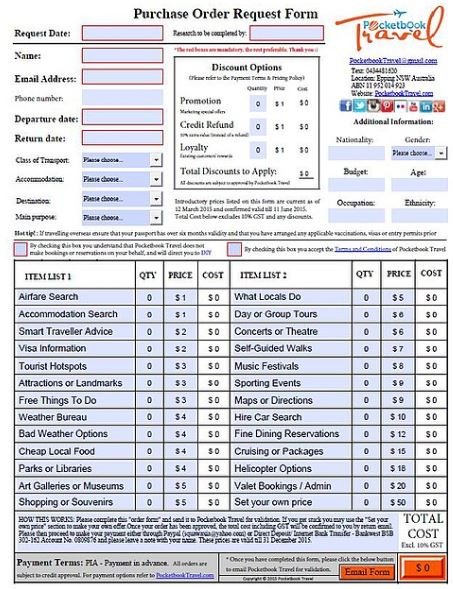
Creating a purchase order is usually the first step in what’s known as the purchase-to-pay process. It starts when a department identifies a need and requests goods or services. The request is then reviewed, and if approved, a PO is generated and sent to the vendor.
A typical PO contains:
- The buyer’s and seller’s details.
- A description of the goods or services.
- Quantities and pricing.
- Delivery timelines.
- Payment terms.
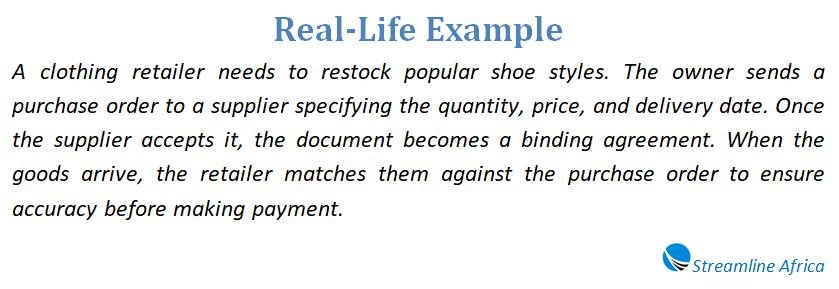
Once the seller accepts the PO, it becomes a legally binding agreement, provided there was no prior contract. This acceptance confirms both parties are aligned on expectations.
Planned and One-Time Purchase Orders
Not all POs look the same. Some are created for one-off purchases, such as ordering a new batch of laptops for employees. Others, called planned purchase orders, cover long-term commitments to a supplier. With a PPO, the buyer agrees to source from the same vendor repeatedly, but individual quantities and delivery schedules are specified later.
This flexibility allows businesses to lock in favorable terms while adjusting actual purchases based on demand. Planned POs are especially useful for industries where raw materials are needed regularly.
Purchase Requisition: The Step Before a PO
Before a PO is even generated, many organizations use an internal document known as a purchase requisition. This is essentially a formal request from an employee or department asking management to approve a purchase. It includes details like the item needed, its purpose, estimated cost, and potential supplier.
The requisition acts as a checkpoint to ensure purchases align with budgets and company policies. Once approved, the purchasing department can create an official PO. Smaller businesses might still use paper requisition forms, while larger firms often rely on digital systems that automate this step.
Paper-Based Versus Digital Purchase Orders
For decades, purchase orders were created on paper and physically exchanged between buyer and seller. While this method is still used in some industries, digital systems have now become the standard. Electronic purchase orders can be transmitted instantly through procurement software, email, or specialized platforms.
Digital POs offer many advantages: they reduce paperwork, improve accuracy, allow real-time tracking, and integrate seamlessly with accounting systems. They are often referred to by names such as e-procurement or e-purchasing. For small, low-value purchases, many organizations even use procurement cards instead of POs to save time.
The Legal Standing of Purchase Orders
Legally, a purchase order is more than just an instruction—it can form part of a contract. In many jurisdictions, including the United States, POs are recognized under commercial law. Once a seller accepts the PO, both parties are bound by the terms outlined in it.
However, it is common to include additional terms and conditions to cover aspects such as liability, delivery failures, and dispute resolution. Some organizations adopt strict rules like “No PO, No Pay,” meaning that any invoice without a corresponding PO number will not be processed. This policy helps maintain discipline and prevents unauthorized spending.
In government and public sector procurement, the rules can be even stricter. For example, US federal regulations generally require purchase orders to specify a fixed price, unless circumstances make it impractical to do so.
Purchase Order Financing
For many businesses, especially small or growing companies, confirmed purchase orders can be leveraged to access financing. This is known as purchase order finance. Essentially, a financing company pays the supplier upfront for the goods, and once the buyer pays for the order, the financing company is reimbursed.
This arrangement is particularly common in international trade, where suppliers often require payment before shipping. PO financing bridges the gap, enabling the buyer to fulfill large orders without straining cash flow. It is often paired with accounts receivable financing, where unpaid invoices are sold to factoring companies for immediate cash.
Direct and Indirect Procurement
Not all purchases serve the same purpose. Procurement is usually divided into two categories: direct and indirect.
Direct procurement refers to goods and materials that go directly into a company’s product or service. For instance, a furniture manufacturer purchasing wood and fabric would classify those as direct procurement. These purchases tend to be high in value, central to operations, and carefully managed.
Indirect procurement, on the other hand, covers items that support business operations but are not part of the final product. Examples include office supplies, marketing services, or IT equipment. While indirect purchases may seem less critical, they still impact efficiency and can account for significant expenses if not managed properly.
Read More: What Are Source Documents? Major Types, Advantages, and Content
Challenges with Purchase Orders
Despite their benefits, purchase orders are not without drawbacks. Creating, managing, and reconciling POs can be time-consuming, particularly for companies with many small purchases. This is why some organizations are exploring digital alternatives that streamline the process or even replace it entirely.
Another challenge is compliance. Employees may sometimes bypass the system to make quick purchases, creating what’s known as “maverick spending.” This can disrupt budgets and lead to difficulties during audits. To counter this, businesses often invest in training, automation tools, and clear policies.
The Future of Purchase Orders
The role of purchase orders is evolving. With digital procurement systems becoming more sophisticated, some experts believe that traditional POs and invoices may eventually disappear. Instead, businesses could rely on real-time confirmations, automated payment approvals, and data-driven supply chain management.
This shift does not diminish the importance of POs but highlights their transformation. Even as technology changes how we work, the principle of documenting and controlling purchases will remain vital. Future systems will likely enhance transparency, reduce errors, and make procurement more strategic than ever before.
Why Purchase Orders Are Valuable for Businesses
At the heart of it, purchase orders create accountability. They provide a clear record of agreements, ensure that spending is authorized, and give both buyers and sellers confidence in the transaction. For businesses of all sizes, they serve as an anchor point in financial management, enabling better forecasting, smoother audits, and stronger supplier relationships.
Whether in the form of a paper slip in a small shop or an integrated electronic document in a global corporation, the purchase order remains a cornerstone of commerce. Its format may evolve, but its function—building clarity and trust in business exchanges—will always matter.
Conclusion
Purchase orders are much more than administrative paperwork. They are the threads that tie together purchasing, finance, and supplier management. From ensuring legal protection to enabling financing and enhancing efficiency, POs continue to play an essential role in business operations worldwide.
As companies embrace digital transformation, the way POs are managed will keep changing. Yet their underlying purpose—establishing clear agreements and maintaining accountability—will stay at the core of procurement practices. Understanding how they work, why they matter, and how they can be optimized gives businesses a competitive edge in a fast-moving marketplace.
Purchase Order – FAQs
Why do businesses use purchase orders?
They reduce confusion, provide legal protection, control budgets, and create a clear record of every purchase made.
Are purchase orders legally binding?
Yes, once a seller accepts a purchase order, it generally becomes a binding agreement between both parties.
What is the difference between direct and indirect procurement?
Direct procurement covers items needed to make a product, while indirect procurement includes purchases that support operations, like office supplies or IT services.
What is purchase order financing?
It’s a type of funding where a finance company pays the supplier upfront, allowing the buyer to fulfill large orders without straining cash flow.
How are purchase orders changing with technology?
Paper POs are being replaced by electronic versions that integrate with accounting and procurement systems, making the process faster and more accurate.
What challenges do companies face with purchase orders?
They can be time-consuming to manage, and some employees bypass them for quick purchases, leading to budget issues and audit difficulties.