
Latest posts
-
Withholding Tax in South Africa

South Africa’s withholding tax system mainly affects payments that cross the country’s borders. Businesses dealing with overseas shareholders, lenders, intellectual property owners and other non-resident recipients therefore need to understand when tax must be deducted before a payment is released. For payments made to South African residents, withholding tax has a relatively limited reach. Dividends…
-
Tanzania’s Business Environment: Investment Opportunities, Market Risks and Business Guide

When we talk about Tanzania, we are looking at one of East Africa’s important commercial markets. The region is supported by natural resources, agriculture, a growing population and expanding industrial activity. The country’s economic story has changed considerably since the country moved away from a heavily state-controlled system. Years of relatively steady expansion helped Tanzania…
-
Tanzania Salary and Minimum Wage Guide: Pay Rates, Overtime and Employer Compliance
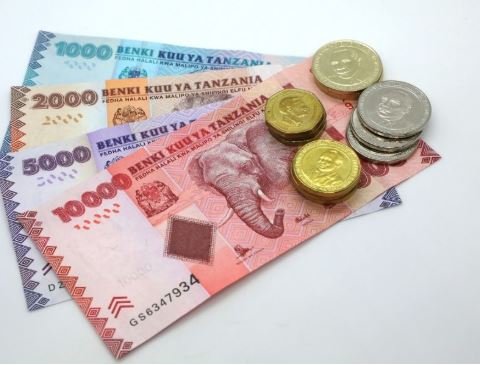
Pay in Tanzania varies widely. The amount a person earns depends on the industry, type of job, location, experience and whether the work is within the formal or informal economy. Available wage estimates put the average gross salary at around TZS 650,000 per month, or about TZS 7.8 million a year. The median monthly income,…
-
Understanding Withholding Tax in Tanzania

Withholding tax is an important part of Tanzania’s corporate tax system. Instead of waiting for the person receiving income to account for all tax later, the law requires the payer to deduct tax from certain payments and remit it to the Tanzania Revenue Authority. For businesses, this means a routine payment can create an immediate…
-
Namibia Salary and Minimum Wage Guide: Average Pay, Working Hours and Employee Benefits

Did you know that there is no single salary figure that represents every worker in Namibia? Yes, earnings vary widely depending on the type of job, industry, experience, qualifications and location. Someone working for a mining company may have a very different income from an employee in retail, agriculture or domestic work. This is why…
-
Namibia Corporate Withholding Tax Guide

Namibian businesses making payments to foreign companies or individuals should review the tax position before releasing funds. A simple compliance process can reduce the risk of applying the wrong rate or missing a payment deadline. Confirm the Recipient’s Tax Residence Establish whether the person or company receiving the payment is a Namibian resident or non-resident.…
-
Withholding Tax Guide in Nigeria: WHT Rates, Exemptions, Penalties and Compliance Rules

Withholding tax (WHT) is a common part of doing business in Nigeria. It applies when a business or individual makes certain types of payments and is required to deduct tax before paying the recipient. In simple terms, the person making the payment holds back a percentage and sends it to the relevant tax authority. The…
-
Mozambique Salary and Minimum Wage Guide: Average Pay, Labour Costs and Employment Rules
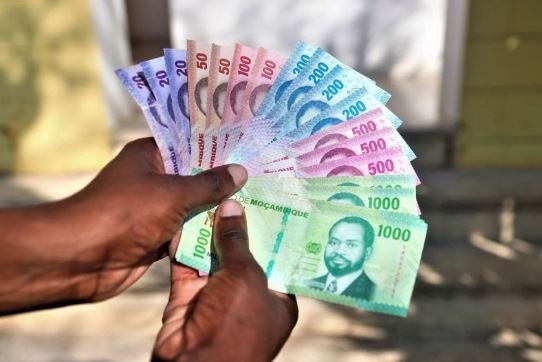
Pay levels in Mozambique vary widely. What a worker earns often depends on the industry, type of job, skills and location. This makes it difficult to describe the country’s labour market with a single salary figure. The estimated average gross salary for formal-sector employees is around MZN 18,000 per month, or MZN 216,000 a year.…
-
Mozambique Withholding Tax Guide: Corporate Rates, Tax Treaties and Compliance Rules

Mozambique applies withholding tax to various payments made to foreign businesses that earn income within the country. As a general rule, a non-resident company conducting economic activity in Mozambique without local taxpayer registration faces a final withholding tax of 20% on income regarded as Mozambican-sourced under the Corporate Income Tax framework. Certain activities benefit from…
-
Gabon Salary Guide: Average Pay, Minimum Wage, Overtime and Employee Compensation

Gabon presents an unusual labour-market picture in Central Africa. The country benefits from substantial natural resources and relatively high national income, yet earnings are distributed unevenly across industries and workers. For employers considering operations in Libreville, Port-Gentil or other commercial centres, headline salary figures therefore provide only part of the picture. Average gross monthly earnings…