In the world of business transactions, not every deal goes as planned. Goods may be damaged, quantities may be incorrect, or customers may simply return items for various reasons. In such cases, businesses need a way to adjust their records and maintain fairness between buyer and seller. This is where a credit note, often also called a credit memo, comes into play. It is a vital document that helps correct errors, acknowledge returns, and ensure accurate accounting.
What Exactly Is a Credit Note?
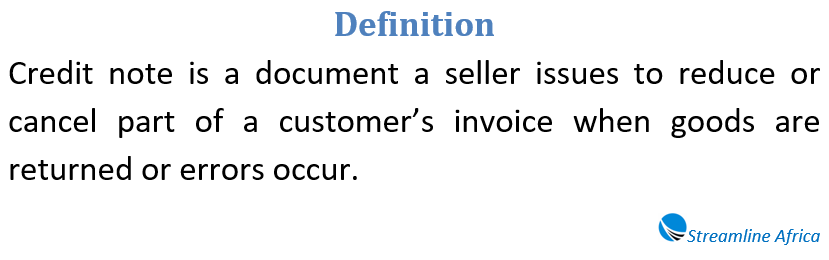
A credit note is a formal document issued by a seller to a buyer, signifying that the amount owed by the buyer has been reduced. It works as an adjustment tool to offset all or part of a previously issued invoice. In simpler terms, it serves as proof that the buyer no longer needs to pay the full original invoice amount because something changed after the sale.
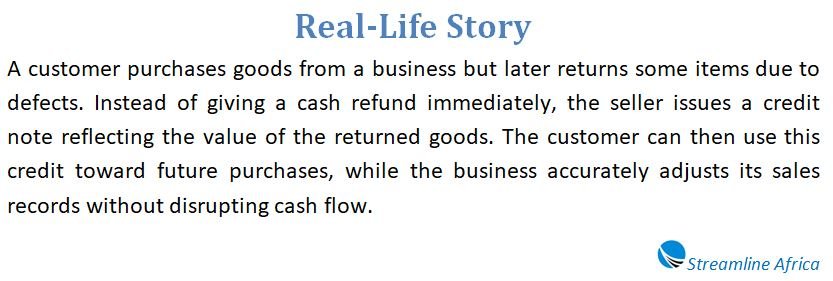
For example, if a customer returns defective goods, the seller cannot expect them to pay for those items. The seller then issues a credit note, which reduces the outstanding balance on the original invoice. Rather than deleting or altering the original invoice—which would make accounting records messy—the credit note clearly documents the change.

A Credit Memo in Different Contexts
The term credit memo is short for credit memorandum, and while it is mostly used in business-to-business sales, it can also appear in banking. In a bank’s setting, a credit memo is issued to notify a customer that their account balance has increased due to something other than a deposit, such as interest earned or the collection of a receivable on their behalf.
This flexibility shows that the concept of a credit note isn’t limited to sales returns. At its core, it is always about correcting amounts owed and ensuring records remain transparent.
Key Features of a Credit Note
A credit note isn’t just a vague promise. It carries specific details that provide clarity for both the seller and the buyer. While formats differ from company to company, a well-prepared credit note usually includes:
- A reference to the original invoice number.
- A clear list of products or services being credited, along with their quantities and prices.
- The total value being reduced from the buyer’s debt.
- Sometimes, a brief explanation for why the credit note was issued, such as damaged goods, incorrect billing, or special allowances.
Interestingly, credit notes typically contain less detail than an invoice. They may not include elements like purchase order numbers, billing addresses, or terms of payment. Their main purpose is to acknowledge an adjustment, not to serve as a new sales contract.
When Businesses Issue Credit Notes
Credit notes come into play in several common situations. The most obvious one is when goods are returned because they were damaged, expired, or simply not what the buyer ordered. Instead of cash refunds, many businesses also use credit notes as a way to encourage future purchases.
For instance, if a shop does not offer direct refunds, it may issue a credit note to the customer. This document allows the customer to come back later and choose something else of equal value. In effect, it works like a store voucher and helps maintain customer goodwill without losing the sale completely.
Errors in invoicing are another trigger. If an invoice mistakenly lists the wrong price or quantity, a credit note can correct the error without the need to rewrite the entire invoice.
The Role of Credit Notes in Accounting
From an accounting perspective, credit notes are more than paperwork—they are source documents. They provide evidence for adjustments recorded in journals and ledgers, particularly in the sales return journal. This ensures that revenue figures reflect actual sales, not inflated numbers caused by returns or mistakes.
By issuing credit notes, businesses demonstrate transparency, accountability, and professionalism. It helps auditors and regulators see that financial records are accurate and that the business follows proper procedures for correcting transactions.
Credit Notes as a Tool for Customer Relations
While they may seem technical, credit notes also have a human side. They show customers that the business is willing to admit mistakes and make corrections fairly. In many industries, especially retail, issuing a credit note instead of a cash refund is a way to retain customers. It reassures buyers that their money isn’t wasted—they can still use it for another product or service.
In this sense, a credit note becomes a bridge between strict accounting requirements and customer satisfaction. It preserves the relationship by turning a potentially negative experience, such as a faulty product, into an opportunity for future business.
Final Thoughts
A credit note may look like a simple piece of paper or a digital file, but it plays a powerful role in business. It keeps accounts accurate, supports transparency, and fosters trust between buyers and sellers. Whether correcting an invoicing error, handling returned goods, or offering store credit, the credit note ensures that business transactions remain fair and properly documented.
For entrepreneurs, understanding how and when to use credit notes is part of building a reliable financial system and maintaining strong customer relationships. After all, the real value of a credit note lies not just in adjusting numbers, but in showing commitment to integrity and good service.
Frequently Asked Questions about Credit Notes
Why do businesses use credit notes?
They help adjust invoices fairly without deleting original records, ensuring transparency and accurate accounting.
How is a credit memo different from a regular invoice?
An invoice requests payment, while a credit memo reduces what the customer owes under a previously issued invoice.
Can banks issue credit memos too?
Yes. Banks may issue them when a customer’s balance increases for reasons other than a deposit, like interest or receivables collection.
What information does a credit note usually contain?
It typically lists products or services being credited, quantities, prices, the total adjustment, and often references the original invoice.
Do credit notes replace invoices?
No. They don’t serve as new sales contracts but act as supporting documents to correct or reduce an existing invoice.
When are credit notes commonly issued?
They’re issued for returned goods, damaged items, incorrect billing, or as store credit when refunds aren’t offered.
How do credit notes help in accounting?
They serve as source documents, supporting adjustments in sales return journals and ensuring financial records reflect real transactions.
Can a credit note improve customer relations?
Yes. Offering credit notes shows fairness, builds goodwill, and reassures customers their money still holds value for future purchases.
Why are credit notes important for businesses?
They maintain financial accuracy, demonstrate professionalism, and help balance customer satisfaction with sound accounting practices.