
The Concept of Demurrage
Demurrage is a term that operates in two very different worlds—finance and shipping—yet in both, it represents a kind of cost for delay or holding. In finance, it reflects the expense of keeping an asset idle, such as currency or commodities that do not generate income. In maritime transport, it is a penalty charged when cargo is not loaded or unloaded within the agreed-upon time frame. While these meanings differ, the underlying idea is the same: time has value, and holding up operations comes at a cost.
In essence, demurrage discourages stagnation. It pushes investors and logistics operators alike to act efficiently, either by investing capital productively or by ensuring cargo moves promptly through ports. Whether one deals with gold in a vault or a ship in a harbor, understanding demurrage helps avoid unnecessary losses and optimize performance.
Demurrage in the Financial Sector
In the realm of finance, demurrage refers to the holding costs of keeping money or commodities inactive. This can include storage, insurance, or even maintenance costs. For instance, investors who hold physical gold or silver might pay warehouse fees and insurance premiums to protect their assets. Likewise, financial institutions may charge account maintenance fees for large idle balances.
The concept gained theoretical significance in economic thought as a tool to prevent hoarding. Economists who support demurrage argue that charging a small “holding cost” on money encourages circulation, pushing individuals and companies to invest rather than store wealth unproductively. When capital circulates freely, it can boost business activity, lending, and economic growth.
However, not everyone sees demurrage in finance as beneficial. Critics argue that saving plays an essential role in economic stability. Idle funds in bank accounts, for instance, serve as reserves that banks use to support loans and investments. Likewise, people who hold gold or other commodities provide market liquidity that can be tapped when needed. In this sense, demurrage may reduce these stabilizing reserves by penalizing saving behavior.

How Demurrage Influences Investment Decisions
The presence or absence of demurrage can change how investors behave. When holding money or commodities becomes costly, investors are motivated to seek income-generating opportunities, such as dividends, interest, or business ventures. A high demurrage rate therefore tends to increase the velocity of money—the speed at which funds circulate through the economy.
Conversely, when holding costs are low, investors might prefer to store wealth in stable forms rather than riskier markets. This can slow economic momentum but may also provide a cushion during financial instability. The impact of demurrage on investment behavior thus depends on broader conditions like inflation, interest rates, and investor confidence.
The Maritime Meaning of Demurrage
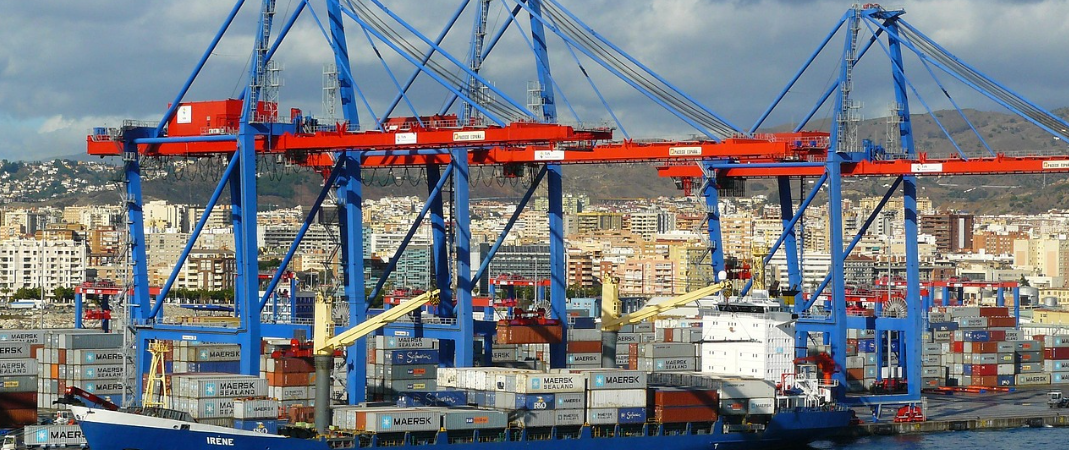
In global trade, demurrage has a much more concrete definition. It is the penalty paid to a shipowner when a chartered vessel remains at the port beyond the period allowed for loading or unloading cargo. This permitted period is known as the “laytime.” Once it expires, the charterer must pay demurrage fees to compensate the shipowner for the delay.
The word “demurrage” comes from the French demeurer, meaning “to stay behind.” The term captures the frustration and financial strain caused when valuable assets like ships sit idle. The longer the vessel is delayed, the more expensive the demurrage becomes. It acts as both punishment for inefficiency and an incentive to stick to schedules.
A Practical Example in Shipping
Consider a business owner, Daniel, who operates a fleet of cargo ships that transport agricultural goods between South America, Europe, and Africa. Instead of managing his fleet directly, he hires a logistics company to oversee port operations. Daniel’s profits depend on keeping his ships moving—each hour of delay means lost revenue and higher storage costs for perishable goods.
If a port delay causes one of his ships to sit idle for an extra two days, Daniel cannot earn income from that vessel during the downtime. However, under the terms of his contract, the logistics company must pay demurrage fees for every day past the laytime. These payments help Daniel recover some of the losses from the delay, but they also serve as a reminder to maintain tighter operational control and communication between his partners and the port authorities.
What Determines Demurrage Rates
There is no universal rate for demurrage. Charges vary by port, cargo type, and the complexity of operations. Smaller ports with limited capacity or congested routes often impose higher rates to discourage prolonged stays.
On average, demurrage fees might start at around $100 per container per day in low-traffic ports. In busier regions or under challenging conditions, this can rise to $300 or more. During global disruptions—such as port strikes or weather-related slowdowns—rates can escalate sharply. These fees reflect not only the inconvenience of delay but also the opportunity cost of lost ship time.
Why Demurrage Exists
Demurrage serves an essential role in maintaining discipline within international trade logistics. Ports operate under tight schedules, and delays can ripple across entire supply chains. By charging penalties for overstaying, port authorities and shipowners encourage charterers to keep operations efficient.
From a broader perspective, demurrage acts as a market mechanism to allocate scarce resources—space, time, and equipment—more effectively. It prevents companies from using port facilities as temporary storage sites and ensures continuous movement of goods through the system. In this way, demurrage keeps ports running smoothly, even when global trade volumes surge.
Who Pays Demurrage
Typically, the responsibility for demurrage lies with the party that owns the cargo containers or has chartered the vessel. This is often the shipper or freight forwarder. However, contracts may include clauses that distribute or limit this liability depending on specific circumstances. For example, if customs delays are outside the control of the shipper, some agreements may waive or reduce demurrage charges.
In most cases, though, companies must plan their operations to prevent costly delays. They can do this by tracking vessel schedules closely, coordinating early with port officials, and ensuring that documentation and customs clearance are handled promptly.
Economic and Operational Implications
In both finance and shipping, demurrage highlights the economic cost of inefficiency. In finance, it discourages holding idle assets; in shipping, it penalizes time wasted. Both interpretations underline a fundamental economic truth: time is money.
For investors, high demurrage encourages reinvestment and innovation, pushing funds into productive sectors. For logistics managers, it reinforces the importance of time management and contingency planning. The ripple effects extend across industries—manufacturers, exporters, and distributors all feel the pressure to move faster and smarter.
Demurrage costs can also influence market prices. For instance, if a port becomes congested and demurrage rates soar, shipping costs may rise, eventually increasing the price of imported goods. Similarly, in finance, high holding costs for commodities like oil or gold can shift market behavior, affecting everything from futures contracts to consumer prices.
Avoiding Demurrage in Practice
Companies can avoid demurrage by adopting proactive strategies. Clear communication among shipping agents, customs officers, and clients ensures that cargo is ready for immediate loading or discharge. Investing in technology—like automated tracking systems—also reduces miscommunication and speeds up documentation.
Contingency planning plays a crucial role as well. If weather delays or port strikes are foreseeable, rerouting or rescheduling shipments can prevent demurrage charges. In financial terms, investors can minimize demurrage-like costs by diversifying holdings and keeping assets in interest-bearing accounts instead of static storage.
The Broader Significance of Demurrage
Beyond penalties and fees, demurrage reflects a broader economic principle: the value of movement. It reminds both financiers and shippers that wealth and goods must circulate to generate prosperity. A ship anchored too long and money locked away both hinder growth.
In today’s interconnected world, where global supply chains and financial markets move at lightning speed, demurrage stands as a check against stagnation. Whether applied to physical cargo or financial assets, it underscores accountability and efficiency.
Final Thoughts
Demurrage might appear as a simple penalty or expense, but its implications run deep. In finance, it represents the cost of keeping wealth idle, influencing how capital flows through the economy. In shipping, it is a tangible reminder that time delays can erode profits and disrupt trade. Understanding demurrage allows investors, traders, and shipping companies to plan better, manage risks, and keep operations smooth.
Ultimately, demurrage teaches a timeless lesson shared by both money and maritime trade: efficiency pays, and delay costs. By valuing time and movement, businesses safeguard both profit and progress—two forces that keep the global economy afloat.
FAQs about Demurrage
How does demurrage work in finance?
In finance, demurrage acts as a holding cost on money or assets like gold or silver. Investors pay for storage, insurance, or account fees, which discourages keeping wealth idle and promotes investment into productive ventures.
Why is demurrage charged in shipping?
Demurrage is charged to discourage inefficiency. When ships or containers stay longer than planned at ports, they slow down logistics operations. Charging a fee ensures shippers move goods quickly and don’t use ports as storage facilities.
What is “laytime” in maritime terms?
Laytime is the agreed period allowed for loading or unloading cargo. Once this period expires, any delay leads to demurrage charges. It sets a clear timeline for both shipowners and charterers to manage port operations efficiently.
Who pays for demurrage in shipping?
Usually, the shipper or charterer pays for demurrage since they control cargo handling and timing. However, specific contracts can shift responsibility depending on circumstances like customs delays or port congestion.
Can demurrage rates differ between ports?
Yes, demurrage rates vary widely. Factors like port location, congestion, and local policies influence the cost. In smaller ports, fees may be around $100 per container per day, while in busy or delayed ports, they can exceed $300 per day.
How can companies avoid demurrage?
Avoiding demurrage requires proactive planning. Companies can coordinate early with port authorities, ensure documentation is ready, and maintain clear communication among shipping partners to prevent unnecessary delays.
What are the economic effects of demurrage in finance?
Financial demurrage encourages faster money circulation. By making it costly to hold onto idle cash, it pushes investors toward yield-generating assets like bonds or equities, potentially stimulating overall economic activity.
What happens when demurrage costs are high?
High demurrage costs can create urgency in both finance and shipping. Investors seek more profitable uses for funds, while shippers improve logistics speed. However, excessive charges may strain smaller firms and raise consumer prices.
Why is demurrage important to global trade?
Demurrage ensures efficiency and accountability in global logistics. By penalizing delays, it keeps ships and cargo moving, maintaining steady trade flows. It’s essential for preventing bottlenecks in increasingly busy international ports.
How do demurrage and detention differ?
Demurrage applies to containers within a port that aren’t moved out on time. Detention, on the other hand, refers to penalties for keeping containers beyond the allowed time after leaving the port. Both aim to keep cargo circulation efficient.
What is the overall lesson from demurrage?
Demurrage teaches that time equals value. Whether in financial markets or shipping docks, delays cost money. Managing time efficiently reduces penalties, improves profits, and strengthens both economic and operational performance.