

When one business buys another, the financial reporting process is more complex than simply transferring ownership. The acquiring company must determine how to show the purchase on its financial statements in a way that reflects the real economic value of what was obtained. Purchase acquisition accounting is the standardized method used to do this. It ensures that when a company acquires another, the acquired firm’s assets and liabilities are recorded based on their fair market value at the time of purchase. This approach allows investors, regulators, and other stakeholders to clearly understand what the acquiring company gained and how the transaction may affect future performance.
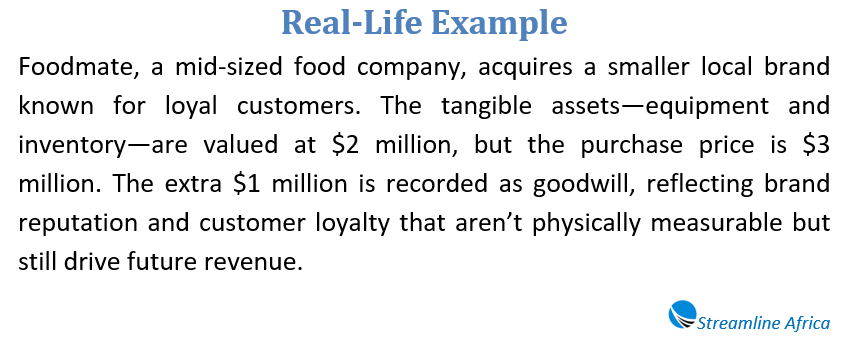
The method acknowledges that companies are worth more than just the value of their equipment, inventory, or buildings. They may have customer loyalty, strong brand recognition, or proprietary technology that adds intangible value. When the purchase price is greater than the fair value of identifiable net assets, the excess is recorded as goodwill. Goodwill represents intangible benefits that cannot be easily measured but hold real value over time.
What Purchase Acquisition Accounting Means in Practice
Purchase acquisition accounting focuses on presenting a truthful and comparable representation of business transactions. When a merger or acquisition occurs, the purchasing company must first determine the fair value of the assets and liabilities it has acquired. This includes both physical items—such as machinery, office buildings, inventory, and equipment—and intangible ones, like trademarks, patents, software licenses, or customer contracts.
The fair market value used is not the price that assets originally cost but rather the amount they would likely sell for in today’s open market. Once these values are measured, they are added to the acquiring company’s balance sheet. If the acquiring company paid more for the business than the total value of the net assets, the difference is recorded as goodwill.
Goodwill stays on the balance sheet but is evaluated annually to ensure that it still holds value. If circumstances change—such as the loss of a major customer base or damage to brand reputation—the goodwill amount may need to be reduced, which is recorded as an impairment expense. Impairment can reduce future earnings, making it a significant consideration during mergers.

Step-by-Step Process of Recording a Business Acquisition
The purchase acquisition accounting method follows a structured sequence of steps:
1. Identify the Acquirer
One company must be clearly designated as the acquiring entity. Even in mergers that appear equal, accounting rules require identifying which company obtains control.
2. Determine the Fair Value of Assets and Liabilities
This involves financial valuation techniques, market price comparisons, and sometimes third-party appraisal. Tangible and intangible items are valued individually.
3. Compare Purchase Price to Net Identifiable Assets
The fair value of the acquired company’s assets is totaled and reduced by its liabilities. If the purchase price exceeds this net number, goodwill is created.
4. Record the Acquisition on the Balance Sheet
The acquiring company consolidates all financial information, presenting a unified report of the post-acquisition organization.
5. Test Goodwill Annually for Impairment
Goodwill is not amortized but instead reviewed yearly to determine whether it still holds value. If its value declines, the company records an impairment loss. These steps ensure that the financial statements present a fair reflection of the transaction.
The Shift Away From Pooling of Interests
Before modern accounting standards changed, some companies used a different method known as pooling of interests. Under pooling, the assets and liabilities of the acquired firm were recorded at their book values rather than their market values, and no goodwill was created. The method made mergers appear less costly and could inflate reported profits in future years.
However, pooling had major drawbacks. It did not show the true economic value of what was obtained, and it could mask how much a company actually paid for a merger. To improve transparency and protect investors, international accounting bodies moved away from this approach.
The transition to purchase acquisition accounting occurred through reforms issued by the Financial Accounting Standards Board (FASB) and the International Accounting Standards Board (IASB) in the late 2000s. The updated rules reinforced the importance of fair value measurement and consistent reporting practices across industries and countries.
Why the Evolution Was Necessary
The shift to purchase acquisition accounting reflected growing concerns about how mergers and acquisitions were being reported. Investors and analysts were often unable to determine whether a company grew organically or simply through acquisitions. In some cases, pooling of interests made acquired companies appear less expensive than they truly were.
By switching to fair-value-based reporting, purchase acquisition accounting:
- Increased transparency in mergers and acquisitions
- Provided a more accurate picture of the actual cost of acquiring a business
- Improved comparability between companies that grow through acquisition and those that expand internally
- Ensured goodwill and intangible assets were identified and monitored
- Reduced opportunities for manipulating reported profits
These improvements strengthened trust in financial reporting and supported better investment decisions.
How Purchase Acquisition Accounting Influences Financial Results
While purchase acquisition accounting improves transparency, it can also influence a company’s future earnings. Goodwill represents the premium paid for intangible value. If the acquired company does not perform as expected, the goodwill recorded may become overstated. When this happens, goodwill must be written down through impairment, which lowers net income for that period.
Because of this, large acquisitions often carry long-term performance risk. Managers and investors pay close attention to whether goodwill remains justified or whether it needs adjustment.
On the other hand, recording assets at fair market value can also provide benefits. For example, if an acquired asset was undervalued in the selling company’s books, its higher fair value may improve the acquiring firm’s balance sheet strength.
Frequently Asked Questions
Does this accounting method always create goodwill?
No. Goodwill only arises when the purchase price exceeds the fair value of net identifiable assets. If the assets are valued higher than the purchase price, the acquiring company may record a gain instead.
Is purchase acquisition accounting required for all companies?
It is required for most business combinations involving public companies and many private companies that follow international or U.S. accounting standards.

Can goodwill increase over time?
No. Goodwill cannot be increased; it can only remain the same or be written down if its value is impaired.
Why is annual impairment testing important?
Impairment testing prevents inflated asset values from staying on financial statements, ensuring accuracy and protecting investors.
The Final-Take
Purchase acquisition accounting provides a structured approach for recording mergers and acquisitions using fair market values. By recognizing tangible and intangible assets at realistic prices and recording goodwill when necessary, it paints a clearer picture of the economic substance of a transaction.
While the method can reduce future earnings if goodwill loses value, it offers greater transparency and comparability—key benefits in today’s financial reporting environment. Companies that understand how this method works are better equipped to evaluate acquisition opportunities, communicate with stakeholders, and make informed strategic decisions as they grow.
Frequently Asked Questions about Purchase Acquisition Accounting
What Is Purchase Acquisition Accounting?
It is the method used to record a business acquisition by valuing all acquired assets and liabilities at their fair market value on the date of purchase and recognizing goodwill when needed.
Why Is Fair Market Value Important in This Method?
Fair market value ensures the acquisition is recorded based on what the assets are truly worth today, rather than their historical cost, making the financial statements more transparent and relevant.
What Is Goodwill in an Acquisition?
Goodwill is the amount paid above the fair value of identifiable net assets. It represents intangible value such as brand strength, customer loyalty, or proprietary knowledge.
Why Does Goodwill Need to Be Tested for Impairment?
Because goodwill can lose value over time. Annual impairment testing ensures the company does not overstate its financial position if those intangible benefits decline.
How Is the Purchase Price Compared to Net Assets?
The company adds up the fair value of acquired assets and subtracts the fair value of liabilities. If the purchase price is higher, the difference becomes goodwill.
Can Purchase Acquisition Accounting Affect Future Earnings?
Yes. If goodwill later declines in value, the company must reduce it through an impairment charge, which lowers net income in that period.
How Does This Method Differ From Pooling of Interests?
Pooling used book values and did not recognize goodwill, while purchase acquisition accounting uses fair market value and records goodwill when present.
Why Was Pooling of Interests Phased Out?
It often hid the true economic cost of acquisitions and made companies appear more profitable than they were, reducing reporting transparency.
Who Requires Purchase Acquisition Accounting?
Standard-setters like the Financial Accounting Standards Board (FASB) and the International Accounting Standards Board (IASB) require it for most mergers and acquisitions.
Are Intangible Assets Besides Goodwill Also Recorded?
Yes. Intangible assets like patents, trademarks, and software licenses must be separately identified and valued when possible.
Does This Method Change the Balance Sheet?
Yes. The acquiring company’s balance sheet expands to include the acquired company’s assets and liabilities at fair market value, along with any recognized goodwill.
Why Does This Method Improve Transparency?
It gives investors and stakeholders a clearer view of what was acquired, what was paid for it, and how much of the purchase price represents intangible value rather than physical assets.