
When economic turbulence hits, most entrepreneurs instinctively retreat—cutting costs, freezing hiring, and putting growth plans on hold until things settle. Yet, those who view tough times as an opportunity to innovate often emerge stronger, more efficient, and better positioned for long-term success. Scaling your business during difficult periods requires courage, creativity, and an unshakable belief in your company’s purpose.
The secret lies not in waiting for stability but in building resilience and adapting your strategies to new realities. Here are key approaches to help your business expand even when the market seems uncertain.
Build a Reliable and Committed Team
A company’s greatest asset is its people. When facing economic uncertainty, a dependable and skilled team becomes your biggest competitive advantage. Having professionals who share your mission, demonstrate adaptability, and are passionate about their roles makes it easier to pivot when challenges arise.
Rather than focusing solely on systems and procedures, invest in building a workplace culture rooted in trust and collaboration. Reward initiative, encourage creative problem-solving, and make communication transparent. A united team doesn’t just help you survive tough times—it drives innovation and growth even when external conditions are unpredictable.
A world-class team doesn’t necessarily mean hiring the most expensive talent. It means developing the right mix of people whose values align with your business vision and who are motivated to grow alongside the company.

Maximize the Power of Certifications
Certifications can open doors to new partnerships and markets that might otherwise remain inaccessible. For instance, minority-owned, women-owned, or small business certifications often give companies an edge when competing for corporate or government contracts. These recognitions signal credibility, professionalism, and inclusion—all traits large organizations look for in collaborators.
But having a certification isn’t enough; how you leverage it matters most. Participate actively in events organized by your certifying body, network with other members, and explore opportunities for mentorship or collaboration. Use your certification as a marketing asset to showcase your company’s authenticity and reliability.
During hard times, credibility is currency. Businesses that demonstrate strong values and verified trustworthiness often gain access to opportunities that others overlook.
Use Technology to Strengthen and Scale
Technology is the backbone of modern business resilience. It can streamline operations, improve efficiency, and create new revenue opportunities. From automating repetitive processes to using data analytics for better decision-making, technology empowers your team to work smarter rather than harder.
Adopting digital tools—such as customer relationship management systems, AI-driven analytics, and cloud-based collaboration platforms—can enhance productivity and reduce operational costs. These investments might seem risky when cash flow is tight, but they often yield the highest long-term returns.
Technology also helps you stay connected to your customers. By using digital insights, you can understand changing consumer behaviors, predict trends, and tailor your offerings to meet new demands. When used strategically, innovation can turn difficult market conditions into fertile ground for growth.
Build an Ecosystem, Not Just a Business
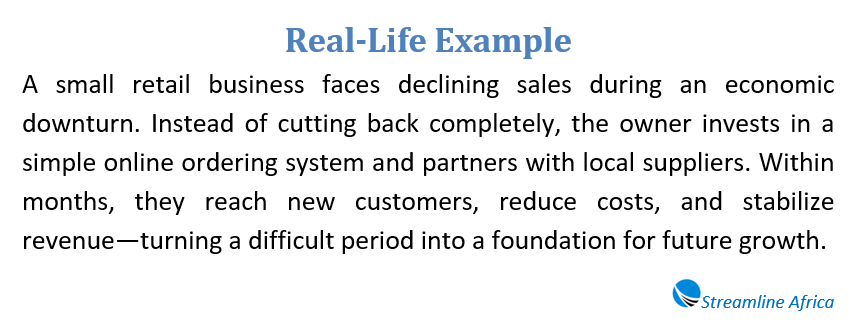
Scaling isn’t only about growing your revenue; it’s about creating an ecosystem that sustains continuous opportunity. This means building connections between your company, clients, community, and future talent pipelines.
For instance, imagine your business invests in training programs for students or underrepresented professionals in your industry. Over time, these individuals could become your future employees, collaborators, or brand advocates. By aligning your company’s purpose with a broader mission—whether in education, environmental sustainability, or entrepreneurship—you create a network of mutual benefit.
An ecosystem-based approach ensures that your success is tied to the growth of others. When the people and organizations connected to your business thrive, they in turn strengthen your position in the market. This model fosters loyalty, trust, and long-term sustainability that no traditional marketing effort can match.
Build Partnerships That Reflect Your Mission
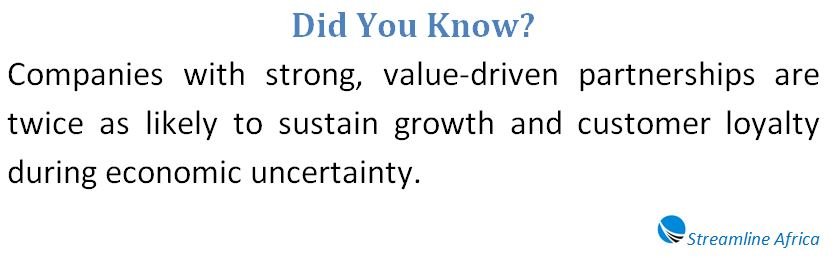
Strategic partnerships can be the difference between stagnation and expansion during uncertain times. The best collaborations are those that align with your company’s core values and amplify your mission.
Seek out partners who share your commitment to inclusion, innovation, and integrity. These relationships create opportunities for co-branding, resource sharing, and access to new audiences. For example, working with companies that prioritize diversity can enhance your brand’s relevance and credibility in a changing marketplace.
Partnerships built on shared purpose go beyond business transactions—they create emotional connections and social impact. This kind of authenticity strengthens customer loyalty and builds resilience against economic downturns. When partners and clients believe in your values, they are more likely to stand by your side during challenging times.
Understand Multicultural Growth Opportunities
Expanding into diverse or multicultural markets can be a game-changer for scaling your business. In many countries, including the United States, multicultural consumers represent a rapidly growing share of economic power. Their influence extends beyond purchasing—shaping cultural trends, technology adoption, and social innovation.
Businesses that fail to recognize this shift risk becoming irrelevant. Understanding the values, traditions, and aspirations of diverse communities allows you to create more inclusive products, services, and campaigns. This cultural intelligence not only broadens your audience but also positions your brand as forward-thinking and socially aware.
Incorporate diversity into your growth strategy, not as a marketing tactic but as a core business imperative. Listen to different perspectives, collaborate with culturally aware teams, and design solutions that resonate across multiple communities. The future of growth belongs to companies that understand and celebrate diversity as a source of strength.
Adaptability: Turning Obstacles Into Opportunities
Every economic slowdown hides a set of opportunities waiting to be discovered. Instead of viewing adversity as a setback, see it as a test of your company’s ability to evolve. Businesses that stay agile and open to change often outperform those that freeze in fear.
Revisit your business model and identify areas for improvement. Can certain products or services be repackaged for a new audience? Are there inefficiencies you can eliminate through automation or outsourcing? Could you pivot your strategy to meet emerging needs in the market?
Flexibility is the key to long-term success. During uncertainty, leaders must communicate clearly, make data-informed decisions, and remain open to experimentation. The companies that survive turbulence are those that adapt swiftly while staying true to their vision.
The Role of Leadership in Difficult Times
Scaling in uncertain periods demands exceptional leadership. Strong leaders are not just decision-makers—they are motivators, communicators, and visionaries. They keep their teams focused on long-term goals while managing short-term pressures.
In tough times, employees look to leadership for stability and reassurance. Being transparent about challenges, acknowledging team efforts, and celebrating small wins can sustain morale and productivity.
Moreover, great leaders prioritize learning. They seek advice, embrace feedback, and use every crisis as an opportunity to refine their strategy. Leadership that demonstrates humility, empathy, and resilience inspires trust—qualities essential for scaling under pressure.
Create the Right Mindset for Growth
The biggest barrier to scaling during a downturn isn’t external—it’s psychological. Fear of loss often prevents companies from taking the calculated risks needed to innovate. Building a growth mindset involves reframing setbacks as lessons and viewing uncertainty as a catalyst for creativity.
Encourage your team to think boldly, experiment responsibly, and celebrate innovation even when results are uncertain. Small improvements—like streamlining operations, improving customer service, or adopting new technologies—can lead to significant breakthroughs over time.
Remember: resilience doesn’t mean resisting change; it means adapting intelligently.
From Crisis to Opportunity
Tough times reveal what your business is truly made of. They test your systems, challenge your leadership, and push your creativity to new limits. But they also present a chance to reinvent, rebuild, and reposition your company for long-term success.
Scaling your business in uncertain times isn’t about waiting for the storm to pass—it’s about learning to navigate through it. By investing in people, leveraging technology, forming meaningful partnerships, and embracing diversity, you can transform adversity into an engine of growth.
The best time to scale isn’t when the market is comfortable—it’s when others are afraid to try.
Frequently Asked Questions
What does it mean to scale a business during difficult times?
Scaling a business during challenging periods means finding ways to grow sustainably even when the economy or market conditions are unstable. It’s about adapting, innovating, and staying focused on long-term goals instead of waiting for stability.

Why is a strong team essential in uncertain times?
A reliable and motivated team provides stability, creativity, and problem-solving power when everything else feels unpredictable. Employees who share your vision and values help maintain momentum and innovation through tough transitions.
How can certifications help a company grow?
Certifications such as minority-owned or small business accreditations can open doors to new opportunities, including partnerships and contracts with corporations that prioritize inclusion. They also enhance your brand’s credibility and trustworthiness.
What role does technology play in scaling?
Technology helps streamline operations, reduce costs, and reveal new growth opportunities. From automating tasks to analyzing customer data, digital tools enable smarter decisions and more efficient business processes, especially when budgets are tight.
Why should businesses focus on building ecosystems?
Creating an ecosystem connects your business with customers, communities, and talent in a way that supports mutual growth. It transforms short-term transactions into long-term relationships, building loyalty and collective success.
How do strategic partnerships drive resilience?
Collaborating with partners who share your mission and values allows both sides to expand resources, reach new audiences, and stay strong during uncertainty. Purpose-driven partnerships create stability and trust that benefit everyone involved.
Why is understanding multicultural markets important?
Diverse consumers represent a growing share of purchasing power and cultural influence. Understanding their needs and perspectives allows businesses to remain relevant, inclusive, and positioned for long-term growth.
What qualities make a strong leader in tough times?
Effective leaders show empathy, transparency, and decisiveness. They inspire confidence, communicate clearly, and keep their teams motivated even when challenges arise. Strong leadership keeps a business grounded while navigating change.
How can adaptability turn challenges into opportunities?
Being flexible helps companies pivot quickly, find new revenue streams, and stay competitive. Adaptability turns setbacks into learning moments, helping businesses innovate rather than retreat.
What is the overall message of scaling during uncertainty?
The key takeaway is that hard times can be powerful catalysts for growth. With the right mindset, people, and strategy, businesses can not only survive adversity but also emerge stronger, more agile, and better prepared for the future.