
The Silent Incentives That Quietly Undermine Business Growth
Across countless boardrooms and leadership meetings, one pattern keeps resurfacing: companies pour enormous effort into building strategies, outlining ambitious targets and mapping out future milestones, yet treat incentives like an afterthought. It’s an odd contradiction, considering that incentives—when designed well—act as the engine that guides behavior, strengthens morale and pushes teams toward a shared vision. However, in many organizations, incentive systems end up doing the opposite: slowing progress and nudging people in directions that leadership never intended.
Commission plans, in particular, tend to be the biggest culprits. They sound simple enough on paper: pay people fairly, reward achievement and motivate consistently. But real-world systems rarely stay simple. Many were created years earlier, stitched into outdated spreadsheets, or embedded into software no one knows how to modify anymore. So when the business evolves, the incentive structure remains frozen in time. By the time updates are approved, coded and rolled out, the business has already moved on again.
This lag creates tension. Employees lose trust in the process, managers struggle to rally their teams and leaders discover that their goals and their rewards no longer point in the same direction. What was supposed to inspire performance begins slowing it down.

Why Incentives Deserve More Attention
Many people assume that commission plans are just operational details—something handled by HR or finance, far removed from strategic decision-making. But incentives influence behavior in ways many leaders underestimate. They quietly shape priorities, attitudes and daily choices long before strategy documents come into play.
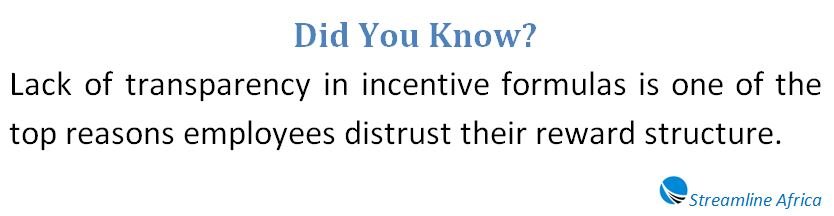
For example, if your reward system favors fast transactions instead of long-term value, then your sales team will naturally chase quick deals. If the formulas that determine earnings are hidden inside technical code, employees won’t feel confident about how or why they’re rewarded. That uncertainty slowly erodes motivation, no matter how inspiring the company mission may sound.
I’ve advised companies that publicly pivoted toward deeper customer relationships but continued rewarding their teams for short-term wins. Naturally, staff focused on the activities that guaranteed income, not on the strategic shift leadership was pushing. This isn’t employee defiance—it’s the system doing exactly what it was designed to do, even if that design is outdated. That’s the danger of neglected incentives: they quietly redirect your business without anyone noticing.
What Strong Incentive Systems Have in Common
There is no universal template for the perfect commission plan because businesses vary widely. But after working with many teams trying to untangle years of incentive confusion, three traits consistently separate modern, effective systems from outdated ones.
Business Ownership Over Rules
The logic behind incentives should never be locked inside IT systems that only developers can modify. When business teams have the ability to adjust rules themselves, incentives evolve with reality rather than lag behind. This prevents delays, confusion and the buildup of technical debt that makes change nearly impossible.
Full Visibility for Everyone
If employees can’t clearly understand how their commissions are calculated, incentive programs lose credibility. Transparency removes suspicion and creates a sense of fairness. People are far more motivated when they trust the system guiding their earnings rather than guessing what might happen each month.
Flexible Design That Grows With the Company
Incentives become more complex over time—new products, new markets, new channels, new partnerships. Systems that crack under this complexity force organizations into constant repair mode. Scalable models treat incentives as evolving rules that adapt to business changes without requiring complete rebuilds every time something shifts.

Questions Leaders Should Be Asking
If you suspect your commission model might be outdated, it helps to pause and reflect on a few key questions:
• Can your business team adjust incentive rules without relying on developers?
• Do employees fully understand how their earnings are calculated each month?
• When the company launches something new, how quickly can your incentive structure adapt?
• Are you rewarding behaviors that support your current strategy—or habits that made sense years ago?
If these questions expose gaps, your incentive system may be quietly creating drag instead of accelerating growth.
When Incentives Block Change
Throughout my career, I’ve met many leaders frustrated by slow-moving teams or resistance to new directions. They often assume the hesitation is cultural, or rooted in fear of change. But once we evaluate the incentive systems behind the scenes, a different reality appears: employees are simply responding to the rewards and rules that guide their daily work.
It’s common to discover that innovation is talked about enthusiastically, yet the reward system favors caution. Or leadership encourages experimentation, but bonuses are tied to predictable outcomes. When incentives contradict strategy, people follow the incentives every time.
This misalignment is not a minor issue—it’s a strategic blind spot. Incentives influence behavior more powerfully than slogans, vision statements or motivational speeches. When rewards support the wrong activities, even the most compelling strategy struggles to come alive.
Moving Toward Modern, Aligned Incentives
The solution isn’t complicated: organizations must refresh their incentive structures so they reflect today’s goals, not yesterday’s realities. That means making the system transparent, giving business teams ownership over the rules and ensuring the model can scale with future changes.
When incentives match the direction leadership wants to go, energy flows more naturally across the organization. Teams feel empowered, managers feel supported and strategies finally translate into action.
Final Thought
If you want your company’s vision to shape what happens on the ground, your incentives must reinforce that vision. Refresh them, simplify them and make them transparent. When incentives and strategy work together, execution follows naturally.
Frequently Asked Questions
What Are Incentive Traps In A Business?
Incentive traps are outdated or misaligned reward systems that quietly push employees toward behaviors that no longer match the company’s goals.
Why Do Old Commission Models Become A Problem?
They stay frozen while the business evolves, causing teams to chase the wrong priorities simply because the system hasn’t been updated.
How Do Misaligned Incentives Affect Employee Motivation?
When people don’t understand how they’re rewarded—or feel the system is unfair—they lose trust and become less motivated to aim for bigger goals.
Why Should Leaders Care About Incentive Transparency?
Clarity builds confidence. When employees see exactly how their earnings are calculated, they feel valued and connected to the company’s direction.
How Can Incentives Slow Down Strategic Change?
If rewards encourage caution while leadership pushes for innovation, employees naturally stick to what pays, slowing transformation efforts.
What Makes A Modern Incentive Model Effective?
A strong model is transparent, easy for business teams to adjust and flexible enough to grow with new products, markets and strategies.
How Can Leaders Tell If Their Incentives Are Outdated?
If the system requires IT to make changes, confuses employees or rewards old behaviors, it’s likely holding the business back.
What Happens When Teams Don’t Trust Incentive Systems?
They become disengaged, focus only on short-term wins and struggle to align with the company’s long-term vision.
How Can Businesses Fix Incentive Misalignment?
By redesigning incentives to match current goals, giving operational teams control over the logic and ensuring the rules are easy to understand and update.