
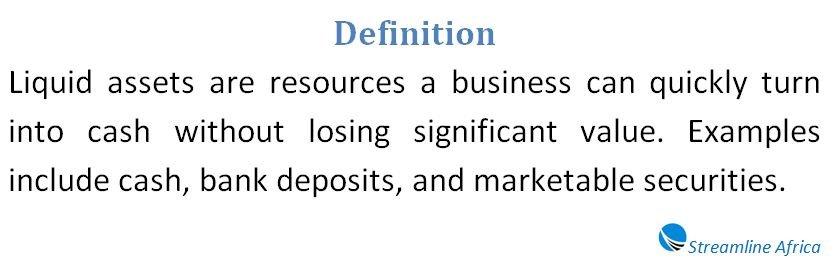
Every business, whether small or multinational, relies on its ability to access cash quickly. The strength of that ability depends largely on its liquid assets—resources a company can convert into cash without delay or major loss of value. Liquid assets form the backbone of short-term financial planning and help companies navigate unexpected bills, revenue dips, or economic uncertainties.
While the concept sounds straightforward, the range of assets that qualify as liquid and how they influence financial decisions can be more complex. Businesses use liquid assets to meet obligations, reassure investors, and maintain operational confidence, making them a crucial part of corporate finance.
What Makes an Asset Liquid?
An asset’s liquidity refers to how fast it can be turned into cash at or near its current value. The quicker the conversion, the more liquid the asset is considered to be. Cash itself is the purest form of liquidity because it requires no conversion. Everything else—bank deposits, stocks, bonds, and other marketable securities—falls at varying points along a liquidity spectrum.

Cash and Near-Cash Resources
Cash stored in registers, vaults, or bank checking accounts represents the highest level of liquidity. These funds are immediately accessible and require no additional action to use. Savings accounts are also generally included in this category because most banks allow easy withdrawals or transfers, making the funds functionally available within moments.
Marketable Securities
Beyond cash, businesses often hold financial instruments like stocks, bonds, money market funds, or government securities. Although these aren’t instantly spendable, they can usually be sold quickly through established financial markets. Because buyers and sellers are always present, these assets can typically be converted into cash at a fair price without long delays. This reliability is what qualifies them as liquid.
Understanding Less Liquid and Fixed Assets
Not all assets can be readily turned into cash. Many assets that help businesses operate effectively are valuable but not suitable for meeting urgent financial needs.
The Nature of Fixed Assets
Fixed assets are long-term resources businesses use to run operations. These include machinery, company vehicles, manufacturing equipment, and property. While these items contribute to generating income, they cannot be sold at a moment’s notice. In most cases, selling fixed assets is time-consuming and may require price negotiations, inspections, or specialized buyers. They often lose value over time as well, making them ill-suited for short-term financial demands.
For example, a transportation company may own a fleet of trucks. These trucks help the business earn revenue, but if a creditor demands payment tomorrow, selling a truck is neither quick nor efficient. This type of asset is valuable but not liquid.
Assets in the Middle Ground
Some items fall between liquid and fixed assets. These semi-liquid resources appear under current assets on a balance sheet. They include:
- Inventory
- Accounts receivable
- Prepaid expenses in some cases
While these assets are expected to be converted into cash within a year, they cannot be accessed instantly. A company must sell inventory or wait for customers to pay outstanding invoices before these funds become useful.
Why Liquid Assets Matter in Business Finance
A company’s liquidity level reveals how well it can manage short-term obligations without stress or disruption. Strong liquidity helps businesses operate smoothly, earn investor trust, and maintain borrowing power.
Signaling Financial Strength
Imagine a business that owns assets worth $1.5 million, but $1 million of that amount is readily convertible into cash. This high percentage of liquid assets signals financial stability. It means the company can settle debts, respond to emergencies, or pursue unexpected opportunities without selling core equipment or property.
For investors and lenders, this type of liquidity provides reassurance that the business is well-positioned to handle risks and downturns.
Supporting Day-to-Day Operations
Cash isn’t just for emergencies—it fuels everyday activities. Payroll, rent, utilities, supplier payments, maintenance, and operational costs all rely on a company’s ability to access funds quickly. Businesses with insufficient liquid assets may find themselves struggling even when they appear profitable on paper.
Liquidity During Economic Challenges
Economic slowdowns, revenue declines, or sudden market shifts can put pressure on companies. When this happens, liquidity often determines whether a business can survive the disruption.
When Liquidity Is Low
Companies with limited liquid assets face tough choices during downturns. To meet financial obligations, they may have to sell equipment, vehicles, or even real estate. These sales not only take time but can weaken the company’s long-term ability to operate. Selling essential tools or property reduces future revenue potential and can force the business into a cycle of diminished capacity.
When Liquidity Is High
A company with strong liquidity can weather downturns far more effectively. It can pay suppliers, meet payroll, and satisfy creditors without having to liquidate vital assets. This buffer allows management to focus on strategy rather than survival, giving the company room to recover and adapt.
During times of uncertainty, ample liquid assets function like a financial safety net, protecting the company from making short-sighted or damaging decisions.
Liquid Assets and Financial Ratios
Liquidity is more than a concept—it is something lenders, investors, and analysts measure carefully. Several financial ratios are used to evaluate how well a business can handle its short-term obligations.
The Cash Ratio
This ratio compares cash and cash equivalents to current liabilities. It answers a simple question: Could the company pay off its short-term debts today with the cash it already has? While a very high cash ratio may indicate financial strength, an excessively high figure could also suggest unused funds that might otherwise be invested for growth.
The Current Ratio
This measures all current assets—including inventory and receivables—against current liabilities. It provides a broader picture of a company’s short-term financial position.
The Quick Ratio
The quick ratio refines the current ratio by excluding inventory. Because inventory may take time to sell, removing it gives a clearer sense of how much immediate liquidity the company truly holds.
Lenders refer to these ratios when reviewing loan applications, and investors use them to gauge risk and financial health before buying shares or making long-term commitments.
Liquidity and Business Growth
A company’s liquidity affects more than its ability to avoid financial trouble—it also shapes how it grows. Organizations with healthy liquid reserves are better positioned to:
- expand into new markets
- invest in new technology
- hire additional staff
- pursue strategic opportunities
- withstand seasonal revenue fluctuations
Managing liquidity well helps a business remain flexible and responsive, giving it the ability to plan for the future rather than constantly reacting to short-term demands.
Conclusion
Liquid assets are one of the most important components of a company’s financial foundation. They provide the cash needed to meet daily expenses, settle debts quickly, and handle unexpected challenges. By maintaining a strong pool of liquid resources—while balancing them with long-term investments—businesses can enhance their stability, attract investors, and safeguard their operations during difficult economic periods.
Understanding the balance between liquid, semi-liquid, and fixed assets empowers companies to make smarter financial decisions and build resilience that lasts well beyond temporary market conditions.
Commonly Asked Questions about Liquid Assets
Why Do Businesses Need Liquid Assets?
Companies rely on liquid assets to pay immediate expenses, settle debts, and keep operations running smoothly, especially during unexpected financial challenges.
Are Stocks and Bonds Considered Liquid?
Yes. Stocks and bonds are typically easy to sell on established financial markets, which is why they are categorized as highly liquid investments.
How Do Liquid Assets Differ From Fixed Assets?
Fixed assets—like vehicles, equipment, and buildings—help generate revenue but cannot be sold quickly. They support long-term operations rather than short-term financial needs.
What Are Semi-Liquid Assets?
Semi-liquid assets include items such as inventory and accounts receivable. They’re expected to convert into cash within a year but are not instantly accessible.
Why Is Liquidity Important for Investors?
Investors look for companies with strong liquidity because it signals stability, lowers risk, and shows the business can handle financial setbacks without distress.

How Does Liquidity Affect Borrowing?
Lenders review liquidity ratios when assessing loan applications. A company with healthier liquidity stands a better chance of qualifying for financing.
What Happens When a Business Lacks Liquidity?
If liquidity is low, the company may need to sell important equipment or property to meet obligations—moves that can harm long-term operations.
Which Ratios Measure Liquidity?
Common liquidity ratios include the cash ratio, quick ratio, and current ratio. These metrics help determine how well a company can meet short-term debts.
How Does High Liquidity Support Growth?
A business with ample liquid assets can seize opportunities, invest in improvements, hire staff, and navigate downturns without jeopardizing its future.