
The landscape of work has changed dramatically in recent years, and one of the biggest shifts has been the rising importance of employee benefits. As workers rethink what stability, satisfaction and long-term career growth mean to them, companies have been pushed to reimagine how they support their workforce. After millions of Americans left their jobs during the Great Resignation and job openings climbed into the millions, businesses discovered that offering competitive pay alone is no longer enough. Employee benefits have become a critical tool for employers trying to stand out in a crowded hiring market.
Employee benefits, at their core, are additional forms of compensation that supplement an employee’s regular salary. They can include essentials such as health insurance, paid time off, retirement savings plans and other forms of support that improve an employee’s professional and personal life. While some benefits are optional, others are required by law, and employers must ensure they’re meeting all regulatory standards. Today, the value of a benefits package is often a deciding factor for job seekers and a major contributor to employee loyalty.
Why Employee Benefits Play a Bigger Role Today
In an era where employees have broad access to job opportunities and greater freedom to decide where and how they want to work, benefits are more influential than ever. Many workers consider benefits just as important as their paycheck. When people feel secure, supported and appreciated, they tend to stay longer, produce better work and engage more meaningfully with their teams.
Multiple surveys back this up. Health coverage, for example, continues to be one of the most significant benefits for American workers. Flexible work arrangements, paid leave and wellness programs also rank highly because they allow employees to maintain a balanced and healthy lifestyle. Employers that invest in these areas often see higher productivity and stronger morale among their teams. In this way, benefits are not just an expense for employers, but an investment in the stability and strength of their workforce.
Practical Case Study
At a mid-sized logistics firm, Ama was offered two similar roles—one with slightly higher pay and another with flexible hours, health coverage, and paid parental leave. She chose the latter. Within a year, her productivity increased, and she stayed committed to the company, citing reduced stress and better work-life balance as key reasons for her improved performance and loyalty.

The Four Main Categories of Employee Benefits
Although benefits come in many shapes and forms, they generally fall into four major categories. These groups reflect what employees need to stay healthy, financially secure and supported throughout various life stages.
The first category is health and wellness, which includes medical insurance, dental and vision coverage, access to prescription medications, counseling services and wellness activities. The second category focuses on financial and retirement support, such as 401(k) accounts, pension plans or company stock ownership programs. The third includes time-off benefits, like vacation days, paid holidays, parental leave and sick time. Finally, work-life balance benefits encompass flexible hours, remote-work options and assistance with childcare or eldercare.
Some of these benefits are optional, but others are legally required depending on the size and type of business. For example, employers must follow federal guidelines for worker protections, unemployment insurance and minimum wage requirements. Businesses should review their obligations carefully to avoid legal issues.
Retirement and Long-Term Financial Support
Retirement benefits remain a cornerstone of a strong employee package. These programs help workers build financial security for the future and come in two broad forms. There are defined benefit plans, where employers commit to paying out a set amount during retirement, and defined contribution plans, where employees contribute regularly and employers may match or add to those contributions.
Among the most well-known options are 401(k) plans, widely used across private companies. Employees set aside a percentage of their earnings, and many employers choose to match a portion of that amount. Similarly, 403(b) plans serve employees of certain nonprofits or educational institutions, while 457 plans are reserved for government workers and some charitable organizations. Pension plans also remain in use, offering retired employees fixed monthly payments based on their tenure and earnings.
Each plan type comes with its own rules, but the goal is consistent: helping employees secure a more comfortable future.
Medical, Dental and Vision Coverage
Health benefits form the backbone of most benefits packages. Medical insurance helps individuals manage the often-high costs of healthcare and can significantly reduce financial stress. Plans differ widely, from PPOs that offer greater flexibility in choosing providers to HMOs that emphasize coordinated, in-network care. High-deductible plans paired with savings accounts may also be available, trading lower premiums for higher upfront costs.
Dental coverage typically assists with preventive visits, exams, cleanings, fillings and other common oral care needs. Some plans cover more advanced procedures as well. Vision insurance may help pay for exams, glasses or contact lenses.
Employers often bundle medical and dental plans together to create an affordable, comprehensive healthcare offering for their teams.
Inclusive and Specialized Healthcare Options
As conversations about diversity and equity evolve, many employers have expanded their healthcare packages to include more inclusive types of coverage. Transgender-affirming care is one area of rapid development. This may include hormone therapy, mental health support or certain medical procedures. Because the legal landscape concerning transgender healthcare continues to shift, businesses must consult expert benefits providers to ensure they remain compliant with current regulations.
Another fast-growing area is telemedicine. Virtual consultations allow patients to access medical guidance without needing to visit a clinic in person. This convenience reduces delays in treatment, helps manage chronic conditions and minimizes workplace absences. The pandemic significantly accelerated the adoption of telehealth, and many workers now view it as an essential benefit.
Fertility Support, Mental Health and Prescription Coverage
Many employers are also recognizing the importance of family planning support. Fertility benefits may cover treatments like IVF or provide options for freezing eggs or sperm, offering employees flexibility as they plan for their future families.
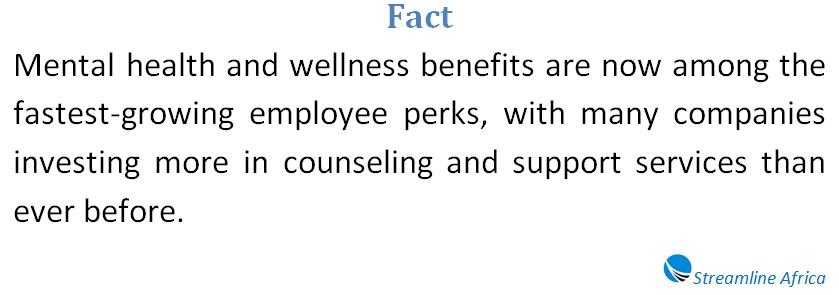
Mental health support has gained unprecedented attention. Counseling services, therapy visits and substance-abuse programs help employees address emotional challenges that could otherwise affect both their personal and professional lives. Some companies provide separate mental health benefits, while others include them as part of their health insurance plan.
Prescription drug coverage is another key feature of a comprehensive plan, reducing the cost of necessary medications and helping employees maintain consistent treatment.
Employee Assistance and Support Programs
Employee Assistance Programs, commonly known as EAPs, provide confidential access to professionals who can help workers navigate personal difficulties. These programs support challenges like stress, financial hardship, relationship problems or addiction. By offering a safe and private outlet for assistance, EAPs reinforce employee well-being and contribute to a healthier workplace culture.
Paid Time Off and Leave Options
Paid time off has long been one of the most valued benefits for employees. It gives workers the ability to take a break, recover or attend to personal matters without worrying about lost income. PTO structures vary widely—some employers offer separate buckets for vacation, sick leave and personal days, while others combine them into a single bank of hours employees can use as they wish.
Alongside traditional PTO, federal regulations such as the Family and Medical Leave Act guarantee unpaid, job-protected leave for certain personal and family medical circumstances. Many states also require paid sick leave or family leave programs. Employers often go beyond these minimums to offer more robust leave policies that support working parents and caregivers.
Support for Families and Dependents
Childcare and dependent care assistance can make a meaningful difference in the lives of working parents. These benefits may help pay for daycare, after-school programs or in-home care. Some companies even provide on-site childcare facilities to make life easier for employees with young children.
Life and Disability Insurance
Life insurance benefits offer families financial stability after the death of a loved one. Employers usually provide basic coverage, with the option for employees to purchase additional protection. Disability insurance, on the other hand, supports workers who become unable to perform their job due to illness or injury. Short-term disability often covers several weeks of lost wages, while long-term options may extend much longer depending on the policy.
Because disability can happen unexpectedly, offering this type of coverage helps workers stay afloat during difficult periods.
Legally Required Employment Benefits
In addition to voluntary benefits, employers must comply with federal and state laws governing required benefits. These include minimum wage rules, overtime pay for additional hours worked, unemployment insurance for workers who lose their jobs involuntarily and job-protected leave for qualifying medical or family needs.
Health insurance continuation under COBRA is another key obligation for certain employers. It allows workers to temporarily maintain coverage after leaving their job, although they must pay the full premium themselves. Workers’ compensation, another mandatory benefit, covers medical costs and lost wages when an employee is injured at work.
Additional Perks and Optional Extras
Beyond the essentials, many companies offer fringe benefits to create a more attractive and enjoyable workplace. Parental leave policies, for instance, give time for parents to bond with newborns or newly adopted children. Commuter benefits help reduce transportation costs, while flexible schedules and remote-work opportunities support employees who need to balance personal responsibilities with their job.
Some employers provide relocation support for workers who move for a role, or sabbaticals for long-term employees seeking time for personal or professional growth. Unlimited time off has also become popular among forward-thinking companies that trust their workers to manage their own schedules responsibly. Employee discount programs, unpaid leave options and on-site perks like meals, gym access or child-friendly spaces further round out the employee experience.
Education-related assistance is another valuable perk. Tuition reimbursement or financial support for training programs helps employees expand their skills while allowing employers to cultivate a stronger, more knowledgeable workforce.
Building a Benefits Package That Works
Creating an effective benefits package requires thoughtful planning. Employers must first understand what their employees truly value and choose benefits that align with those needs. A carefully balanced program ensures that employees feel supported without putting too much strain on the company’s budget. Clear communication is also essential—employees should know exactly what is available to them and how to use it.
Companies must also stay informed about state and federal requirements to ensure their benefits packages stay compliant. By doing so, they create a work environment where people feel respected, secure and motivated to contribute their best efforts.
Conclusion
Employee benefits have evolved into one of the most important components of the modern workplace. By offering a thoughtful blend of health coverage, financial support, personal leave and additional perks, companies can create a positive and productive environment that appeals to top talent. For employees, the right benefits package brings peace of mind, stability and a stronger sense of commitment to their employer. For businesses, it’s an investment that pays dividends in engagement, loyalty and long-term success.