
Every organization, whether a small start-up or a large government agency, depends on consistent financial resources to function smoothly. Yet many institutions find themselves dealing with a shortfall between what they need to operate and what they currently have available. This space between required resources and actual funding is known as a funding gap. It represents more than just missing money; it reflects the financial challenges organizations face as they attempt to carry out both routine operations and future-focused initiatives. Understanding how funding gaps develop and the strategies used to close them is essential for ensuring stability and long-term progress.
The Concept of a Funding Gap
A funding gap occurs when an organization’s available financial resources do not meet the cost of its ongoing operations or planned projects. This shortfall can affect everything from payroll and supplies to large-scale expansions and research programs. Funding gaps are especially common during the early phases of a company’s development because start-ups often overestimate their revenues or underestimate the expenses needed to operate effectively. During these early stages, profit margins tend to be thin or nonexistent, making even small miscalculations significant.
For emerging businesses and research-based industries, these gaps can be a natural part of growth. Without enough data about future expenses, leaders may struggle to project accurate financial needs. The absence of strong revenue streams in the early years only widens the gap. What appears on the surface as a simple lack of funds is often a reflection of the learning curve organizations must navigate while establishing themselves.
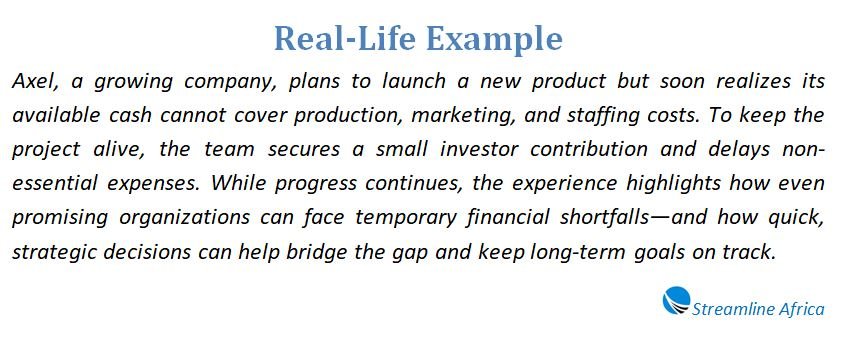
Why Start-Ups Commonly Encounter Funding Gaps
New companies are particularly vulnerable to funding gaps for several reasons. First, they often require heavy investment before revenue begins to flow. Building a prototype, purchasing initial inventory, launching marketing campaigns, and conducting research all require substantial upfront financing. Start-ups operating in sectors like pharmaceuticals or technology face even greater pressure because extensive research and development is necessary long before a product reaches customers.
Second, financial projections for young businesses are rarely precise. Entrepreneurs may not yet understand the true cost of logistics, staffing, or product refinement. Small errors in forecasting can accumulate, leaving the business with fewer resources than expected. Market conditions also influence early financing. When economic growth is strong and investor confidence is high, start-ups find it easier to secure funding. In weaker markets, raising capital becomes more challenging, widening the likelihood of a funding gap.

Funding Gaps in the Public Sector
Funding gaps aren’t limited to private businesses. Government agencies frequently face their own versions of financial shortfalls. Public institutions operate within budget cycles, and if the allocated amounts are insufficient to cover planned operations, gaps emerge. Unlike businesses, government agencies cannot always redirect funds or adjust pricing to generate income. As a result, they may be forced to reduce services, postpone programs, or in extreme cases, temporarily shut down operations.
A funding gap in the public sector can also result from legal or procedural issues. Sometimes, agencies technically possess funds but lack the authority to spend them until an official budget is approved. Without legal authorization, even available money cannot be used. This situation has led to service disruptions across various departments, from national parks to regulatory agencies.
Schools are another common example. Educational institutions serving populations with fewer financial resources may experience funding gaps due to inequities in public financing. These shortfalls can force administrators to cut important programs, limit the number of instructors, or scale back extracurricular opportunities. In each case, the funding gap becomes a barrier to providing the level of service expected by the public.
Causes Behind Organizational Funding Gaps
Funding gaps arise for many reasons, and understanding these causes allows leaders to respond more effectively. One of the most common triggers is the cost of innovation. For instance, a company developing a new medical device or software system may need to invest heavily in prototypes, testing, or specialized equipment. These investments, while necessary, can quickly exceed the funds available from initial capital.
Unexpected expenses also contribute to shortfalls. Regulatory changes, rising supply prices, or sudden shifts in consumer demand may require additional spending that was not included in the budget. In sectors that rely on long research cycles, such as biotechnology or aerospace, funding needs often change faster than revenue growth.
Public institutions may face funding gaps due to legislative delays or disagreements over budget priorities. When lawmakers fail to approve budgets on time, agencies must halt activities until the issue is resolved. Even essential services can be affected if the government shuts down, as staff are furloughed and operations temporarily freeze.
How Organizations Bridge Their Funding Gaps
When companies discover they do not have enough resources to keep operations running smoothly, they often turn to external financing. One option is equity financing, where the business sells ownership shares to investors in exchange for capital. Venture capital firms, angel investors, and private equity groups frequently support emerging businesses with high growth potential. These investors provide cash that companies can use to continue operations or pursue new projects.
Debt financing is another common solution. Banks and financial institutions may offer loans or credit lines that allow the organization to borrow what it needs, with the expectation of repayment over time. Although this approach increases liabilities, it can provide the immediate resources necessary to keep a project on track.
Some businesses use hybrid approaches, combining equity and debt to balance risk and ownership concerns. Others look to alternative funding sources such as crowdfunding, grants, or strategic partnerships with larger companies. The goal is always the same: secure enough capital to move past the shortfall and continue progressing toward long-term goals.
Government agencies address funding gaps differently. They may seek emergency appropriations, reallocate resources from lower-priority programs, or delay specific projects until future budgets are approved. While these solutions can be effective, they do not always prevent disruptions to public services.
Real-World Effects of Funding Gaps
The consequences of a funding gap vary depending on the organization and the severity of the shortfall. For private companies, a persistent funding gap can slow product development, limit hiring, or reduce marketing efforts. In severe cases, the business may be forced to suspend operations or shut down entirely. Investors often watch for signs of underfunding because it may indicate operational risks or management challenges.
In the public sector, funding gaps can have far-reaching consequences. National parks may close temporarily during government shutdowns, military development programs may stall, and routine administrative services may be paused. Communities that rely on public programs may experience delays or disruptions in essential services.
The Importance of Addressing Funding Gaps Early
No organization benefits from allowing a funding gap to persist unchecked. Identifying potential shortfalls early enables leaders to take proactive steps, such as adjusting budgets, seeking investors, or revising project timelines. For start-ups, recognizing the gap early can be the difference between successful growth and premature failure. For public institutions, addressing funding gaps quickly helps maintain essential services and public trust.
Conclusion
Funding gaps represent the difference between what an organization needs and what it currently possesses to fulfill those needs. They are common in early-stage companies, research-intensive industries, and government agencies that rely on budget allocations. Whether caused by high upfront costs, inaccurate forecasting, legislative delays, or unexpected expenses, these gaps can significantly affect operations and growth. By seeking additional capital, adjusting financial strategies, and planning ahead, organizations can close their funding gaps and continue working toward long-term stability and success.
Frequently Asked Questions about Funding Gap
Why do new businesses often face funding gaps?
Start-ups typically underestimate costs and overestimate revenue because they lack historical data. They also spend heavily on development before earning meaningful income.
Which industries commonly deal with funding gaps?
Sectors with high research and development costs—such as pharmaceuticals, biotechnology, and technology—frequently experience funding gaps due to long development cycles.
Can funding gaps occur even when money exists?
Yes. In government agencies, funding gaps may occur when funds exist but cannot be used because legal approval or spending authority has not been granted.
How do funding gaps affect public services?
Funding gaps in government can lead to reduced services, delayed programs, or even temporary shutdowns of parks, schools, and federal agencies.
What leads to funding gaps in schools?
Schools serving low-income communities may receive insufficient financial support, forcing them to cut classes, staff, or extracurricular activities.
What causes funding gaps in private companies?
Unexpected costs, long research cycles, market shifts, and rising expenses can all create financial shortfalls that exceed available resources.
How can businesses close funding gaps?
Businesses typically seek equity investment, borrow through debt financing, or secure grants and partnerships to replenish the capital they need.
How do governments handle funding gaps?
Governments may request emergency funding, shift budgets, delay programs, or temporarily shut down services until new budgets are approved.
What happens if a funding gap remains unresolved?
Unresolved funding gaps can delay product development, disrupt operations, erode public trust, and in severe cases, force businesses or agencies to halt activities.
Why is early detection of funding gaps important?
Addressing funding gaps early helps organizations adjust budgets, seek investors, and avoid disruptions—protecting both stability and long-term goals.