
Every organization reaches a point where its internal habits, values and unwritten rules begin to limit growth instead of supporting it. When leaders notice declining morale, inconsistent performance or a widening gap between what they claim to stand for and how the company actually operates, they often conclude that it is time for a cultural reset. While this recognition is a positive step, the process of transforming culture is far more complex than many leaders expect. A culture change effort is not a branding exercise, a motivational rally or a communications campaign. It is a fundamental reorientation of how people behave, how decisions are made and how the organization expresses its identity through daily actions.
Leaders rarely intend to worsen the situation, yet many unintentionally sabotage their own efforts. Culture is deeply rooted in patterns, power structures, beliefs and incentives, which means poorly executed changes can cause confusion, skepticism or disengagement. When handled well, cultural transformation can restore unity and build long-term strength. When handled poorly, it can accelerate the very decline leaders hoped to reverse. Understanding why cultural initiatives fail is the first step toward avoiding predictable pitfalls and building a stronger organizational foundation.
The Danger Of Announcing Change Without Defining It
A frequent mistake in cultural change efforts is launching a new vision before understanding what it means in practical terms. Many leadership teams rush to unveil new value statements, taglines or slogans, believing that a fresh identity will inspire employees to shift their behavior. Instead, employees are left with abstract phrases that do not translate into real-world expectations. Without clarity, teams interpret the vision differently, and the organization moves in fragmented directions.
A cultural vision requires specificity. It must describe how people should behave in meetings, how they should resolve conflict, how decisions should be made and which trade-offs matter most. When leaders fail to provide this level of detail, the cultural message becomes aspirational but not operational, leaving employees uncertain about how to contribute to the shift.
Treating Culture Like A Temporary Initiative
Another common misstep is viewing culture as something to be “fixed” through a project plan or a short-term intervention. Culture is not a campaign. It is the accumulation of daily interactions, leadership choices, rituals and enforcement of standards. Yet many executives delegate culture work to a committee, expect quick results or invest in programs without aligning their own behavior.
The companies that achieve meaningful change treat culture as a continuous discipline. They revisit behaviors regularly, reinforce expectations and remain committed to the long-term process of reconditioning how people think and act. When leaders treat culture as a one-off effort, employees correctly perceive it as superficial—something that will fade when the next urgency arises.
Valuing Messaging More Than Demonstrated Behavior
Culture begins with what leaders do, not what they say. It is built when senior teams model the actions they expect others to follow. If executives promote collaboration while rewarding individual heroics, or speak about respect while tolerating dismissive conduct, the entire organization receives a mixed signal. Employees learn quickly that the stated culture is less important than the actual power dynamics.
Behavioral inconsistency from leaders is one of the fastest ways to erode trust. People follow examples, not rhetoric. Successful culture shifts occur when leaders embody the new values consistently, visibly and without exception—even when it requires difficult decisions or personal sacrifice. Without this alignment, any attempt to reshape culture becomes performative rather than transformative.

Hiring And Promotion Decisions That Contradict The Change
Culture is expressed most clearly through who is hired, promoted and retained. If a company claims to prioritize collaboration but continually elevates high-performing individuals who disregard teamwork, employees recognize that the real culture favors results over relationships. Similarly, retaining toxic high-performers signals that bad behavior will be tolerated as long as targets are met.
When leaders ignore misaligned behavior, their credibility declines. By contrast, when they promote individuals who demonstrate the desired values—and hold others accountable when they do not—they create momentum for cultural transformation. Talent decisions shape culture far more powerfully than any policy or workshop ever will.
Failing To Align Daily Actions With Stated Values
An overlooked challenge in culture change is the gap between organizational intent and organizational practice. Many leaders articulate new values without adjusting the processes that govern daily work. If employees are asked to adopt new norms but must operate within outdated systems, they experience internal contradictions.
For example, a company that wants to emphasize agility must reexamine its approval chains, meeting structures and decision-making protocols. A company that wants to strengthen employee empowerment must modify how performance is measured and how initiative is rewarded. Culture cannot shift when existing systems reinforce old behaviors. Aligning processes, incentives and expectations with the desired cultural direction is essential for lasting change.
Mistaking Storytelling For Strategy
While storytelling plays a powerful role in shaping culture, it cannot replace the systems that sustain it. Leaders sometimes rely heavily on motivational narratives, using success stories or inspirational speeches to influence behavior. Although these stories can build emotional connection, they often fail to generate meaningful change unless paired with structural reinforcement.
Storytelling succeeds when it is integrated into rituals, recognition programs and everyday language. Employees must see examples of the new culture being honored in real situations. When this happens, narratives become proof, not aspirations. When storytelling is relied on without supporting action, it becomes a substitute for real change.
Overlooking Trust As The Foundation Of Change
Trust determines whether employees believe in the authenticity of cultural transformation. Leaders often underestimate how much skepticism exists within an organization, especially after previous change initiatives that lacked follow-through. Without trust, even well-designed cultural programs fall flat. Employees view them as corporate theater rather than a genuine shift.
To build trust, leaders must demonstrate transparency, acknowledge past shortcomings and show commitment through consistent behavior. When trust is strong, employees feel safe to embrace new expectations. When trust is absent, every initiative is viewed with caution or indifference.
Focusing On Slogans Instead Of Reinforced Habits
Many culture-change efforts rely on lofty language but fail to reinforce daily habits. Values become slogans placed on screensavers or printed in employee guides, yet nothing changes in the rhythm of operations. Employees may attend workshops or trainings, but their workflow, targets and reward systems remain unchanged.
What truly shifts culture are habits—how meetings begin, how decisions are made, how feedback is shared and how recognition is given. Leaders who translate values into repeatable routines create an environment where new behaviors become normal rather than aspirational.
Expecting Quick Wins Without Sustained Commitment
Culture change requires patience and persistence. Leaders sometimes grow frustrated when improvements do not appear immediately, leading them to abandon initiatives prematurely. This inconsistency signals to employees that the change was not serious, reinforcing cynicism and encouraging a return to previous habits.
Meaningful change develops gradually. As leaders consistently reinforce expectations, hire for alignment and refine systems, employees begin to internalize the new norms. Culture matures through repetition, reinforcement and resilience, not through urgency or pressure.
Tolerating Behavior That Undermines Progress
One of the most significant obstacles to cultural transformation is the failure to address behavior that contradicts the desired norms. Even a small number of employees who disregard standards can negatively influence the broader group. When problematic behavior goes unaddressed, it signals that the transformation lacks seriousness.
Holding individuals accountable—regardless of their tenure, influence or performance—is critical. Accountability protects the integrity of the cultural direction and reinforces fairness, consistency and respect.
Treating Culture As A Leadership Reflection Alone
Another mistake is assuming culture originates solely from the top. While leaders define direction, culture ultimately takes shape through the collective actions of employees. When leaders fail to involve teams in shaping the new environment, employees feel disconnected from the process and less invested in its success.
The most successful transformations occur when employees are invited to contribute ideas, share experiences and take ownership of change. Culture becomes authentic when it is lived from every corner of the organization, not simply dictated by executives.
Ignoring Employee Incentives And Rewards
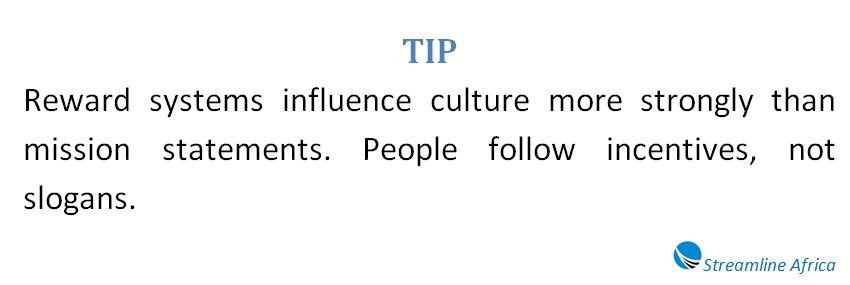
If incentives contradict stated values, the cultural shift collapses. Employees pay attention to what is rewarded—whether it is collaboration, innovation, accountability or something entirely different. When reward systems reinforce outdated priorities, employees naturally gravitate toward behaviors that support their own advancement rather than the stated cultural goals.
Leaders must ensure that compensation, recognition and growth opportunities reflect the new direction. When incentives align with desired behaviors, the culture begins to transform organically.
Viewing Collaboration As The Primary Goal Instead Of An Outcome
Many leaders believe that collaboration will fix cultural issues, but collaboration is a product of deeper conditions. Belonging, psychological safety, shared purpose, clarity of expectations and trust all precede true collaboration. Without these foundations, forced collaboration becomes frustrating rather than productive.
Effective culture change emphasizes these foundational elements first. When people feel secure, valued and aligned, collaboration emerges naturally and sustains itself without micromanagement.
Building A Culture That Lasts
Shifting a company culture requires discipline, consistency, empathy and strategic clarity. It is less about grand initiatives and more about the accumulation of small but meaningful actions carried out every day. When leaders embody the change, align systems with values, enforce standards consistently and invite employees to participate in shaping the future, culture evolves in a healthy and sustainable direction.
Organizations that master cultural transformation do not rely on slogans or temporary enthusiasm. They commit to the long-term process of building an environment where people understand expectations, trust leadership and feel proud of the collective identity. That commitment—steadfast, intentional and reinforced daily—is what ultimately distinguishes companies that thrive from those that gradually lose their way.
Key Questions And Answers About Shifting Company Culture
What makes culture change difficult for most organizations?
Culture change is difficult because it requires people to unlearn familiar habits and adopt new ones that may feel uncomfortable. Employees naturally resist change when they are unsure how it affects their roles, relationships or sense of security. Without clarity and consistency from leadership, the transition becomes even more challenging.
Why does announcing a new vision fail without defining behaviors?
A cultural vision becomes ineffective when it remains vague. Unless employees know how it translates into daily actions—how to speak up, collaborate differently or make decisions—they cannot engage with it meaningfully. Behavior, not messaging, brings culture to life.
How do leaders unintentionally undermine cultural change?
Leaders often undermine progress when their actions contradict the values they promote. Inconsistency breeds distrust. Employees notice when leaders advocate transparency yet avoid difficult conversations, or champion teamwork while rewarding individual heroics.
Why must hiring and promotion be aligned with new values?
Hiring and promotion decisions act as a loud message about what truly matters. When organizations elevate people who model the desired behaviors, others see the path forward. When misaligned individuals are rewarded, the entire transition loses credibility.
How does trust influence the success of cultural transformation?
Trust is the foundation that determines whether employees believe that change is genuine. If trust is low due to past failures or mixed signals, employees hesitate to adopt new expectations. Trust grows when leaders show transparency, humility and sustained commitment.
What role do organizational systems play in shaping culture?
Systems such as performance evaluations, meeting structures and decision-making processes reinforce cultural norms. If systems remain tied to old habits, new cultural expectations cannot take hold. Aligning systems with values is essential for lasting change.
Why can’t storytelling alone shift a company’s culture?
Storytelling provides emotional resonance, but it cannot replace structural reinforcement. Stories inspire belief, but systems create consistency. Culture changes when narratives are paired with real actions, rituals and accountability.
How does tolerance of poor behavior impact the culture?
Allowing harmful or misaligned behavior to continue—especially from high performers—signals that the cultural shift is selective. This erodes fairness, weakens morale and slows transformation. Accountability protects the integrity of the new direction.
What is the risk of treating culture as a short-term project?
Short-term cultural efforts often produce enthusiasm at first but fade quickly. When leaders treat culture as a temporary initiative instead of a long-term discipline, employees lose confidence and revert to older patterns.
Why must employees be involved in shaping culture?
When employees participate in shaping new norms and behaviors, they feel ownership. This involvement increases engagement, reduces skepticism and ensures that the culture reflects real organizational needs rather than top-down assumptions.
How do incentives either support or contradict cultural change?
Incentives—whether compensation, recognition or growth opportunities—signal what behaviors matter. If rewards reinforce outdated norms, employees follow the incentives rather than the stated values. When rewards align with cultural goals, people naturally adapt.
Why is collaboration an outcome and not a starting point?
Collaboration emerges when deeper conditions exist: psychological safety, belonging, clarity and trust. When leaders prioritize these foundations, collaboration becomes a natural result rather than a forced activity.