

Whenever leaders gather to discuss productivity, the focus tends to gravitate toward the usual levers: performance indicators, pipeline movement, output expectations and quarterly scorecards. Conversations revolve around numbers—how fast, how much and how soon. Yet beneath those crisp dashboards lies an invisible variable that quietly erodes performance long before metrics reveal anything unusual: everyday life stress.
Employees don’t arrive at work as blank slates immune to personal strain. They bring financial worries, family pressures, health concerns and emotional burdens that compete with their ability to stay present and productive. These issues rarely surface during performance meetings, yet they shape attention, energy and motivation more than many leaders realize.
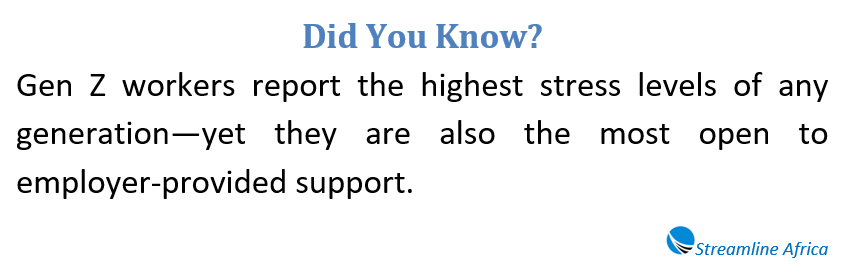
Recent insights from workplace research show how deeply this issue cuts into performance. A significant majority of employees admit that personal stress directly interferes with their ability to concentrate, make sound decisions or stay committed to their tasks. The numbers are even higher among younger professionals entering the workforce, highlighting a generational shift in how stress is experienced and expressed. Stress, in other words, is not a wellness side topic—it’s a direct performance lever that organizations can no longer afford to overlook.
Why This Matters For The Future Workforce
Many companies still operate under the assumption that employees begin each day with roughly equal levels of life stability. This assumption no longer holds. A noticeable portion of workers say they have no reliable support network in their personal lives, and many others rely on only one or two people. For younger employees—those who will soon make up a large segment of the global labor force—stress is compounded by economic unpredictability, increased social isolation and near-constant digital stimulation.
These stressors do not pause at the office door. They accompany employees to meetings, influence their work pace, alter how they interpret instructions and shape how confident they feel navigating their roles. When an employee has little personal support and a mounting set of life challenges, the workplace naturally becomes the default safety net—whether leaders are ready for that role or not.
The reality is simple: modern workers need more than laptops and login credentials. They need emotional grounding, practical resources and environments that acknowledge the complexity of real life. When organizations overlook this need, they risk losing performance capacity long before a resignation letter appears.
Where Traditional Support Systems Miss The Mark
Even as companies expand their employee-benefit offerings, many systems remain outdated in how they approach support. Younger workers are not necessarily seeking more benefits; they are looking for meaningful, personal and accessible support that meets them where they are.
The challenge is that most benefit programs still operate as static menus—lists of options employees must navigate on their own. But people experiencing overwhelm rarely initiate help-seeking behavior. They do not browse HR portals when juggling financial instability or emotional strain. They disengage silently until the situation becomes critical.
Additionally, employees have vastly different life stages and needs. A young professional managing post-graduate debt or unstable housing conditions faces a completely different reality from a worker planning for long-term retirement. Treating their needs as identical dilutes the usefulness of the entire benefits package.
Mental-health apps and digital tools also have limitations. While helpful, they cannot replace human connection, real accountability or guided support. Tools without human interaction often lack sustained impact, making them insufficient as a standalone solution.

Rethinking How Support Should Look In Today’s Workplace
A more modern, effective approach begins with a shift in mindset. Instead of assuming uniform needs, organizations must design support systems based on generational realities, life stages and personal circumstances.
One effective strategy is to evaluate benefits through the lens of personas: What does a recent graduate need to feel stable? What kinds of support help mid-career employees manage competing responsibilities? What resources strengthen the confidence of older employees navigating transitions or caregiving?
From this perspective, the goal isn’t to create endless benefits—it’s to create relevant ones.
Proactive outreach is equally essential. Employees should not be expected to request help only when they reach their breaking point. With responsible data insights, organizations can identify early signs of strain—sudden changes in attendance, declining productivity, reduced engagement—and respond with supportive, personalized check-ins.
Managers play a defining role here. When properly trained, they become early detectors of stress triggers and promoters of psychological safety. Their ability to ask empathetic questions, clarify expectations and adapt communication makes a meaningful difference, especially during moments that disproportionately affect certain employee groups.
Finally, fostering intergenerational community is invaluable. Younger workers often seek belonging and reassurance, while older workers contribute resilience and perspective. When mentorship programs, peer groups and collaborative spaces allow these exchanges to flourish, stress becomes easier to manage because employees feel less alone in their challenges.
Support, when paired with formal mental-health resources and structured financial or lifestyle guidance, becomes a protective layer that prevents stress from escalating into burnout, absenteeism or turnover.
Building Systems That Support Real Life
If stress is a known barrier to performance, then organizations must treat solutions not as optional perks but as operational priorities. Leaders can begin by examining their current approach: Does their benefits portfolio align with the real challenges employees face? Are support systems accessible when people need them most? Do managers know how to respond when they see signs of strain?
Strengthening workplace performance increasingly depends on strengthening the people powering it. That means designing systems that address mental health, financial uncertainty, and lifestyle pressures with empathy and practical intention. It means bridging generational gaps and ensuring every employee feels part of a connected community. And it means recognizing that employee well-being is inseparable from organizational performance.
When workplaces become reliable sources of support, employees gain the stability needed to stay focused, energized and committed. The result is not just improved well-being but the unlocking of performance potential already present within teams.
Creating space for employees to manage life stress isn’t charity—it’s strategy. And it is quickly becoming one of the most critical performance levers of the modern workplace.
Frequently Asked Questions
Why Is Life Stress Considered A Performance Issue At Work?
Life stress reduces focus, motivation and decision-making. When employees struggle personally, their performance drops even if they stay physically present.
How Does Stress Affect Younger Employees Differently?
Younger staff face higher financial pressure, digital overload and weaker support networks. They carry these burdens into work, amplifying performance strain.
Why Are Traditional Wellness Programs No Longer Enough?
Most programs are passive and generic. They rarely reach overwhelmed employees who need proactive, personalized support rather than self-directed tools.
What Makes Proactive Employee Support More Effective?
Proactive support identifies early signs of struggle and offers help before stress escalates into burnout or disengagement, improving productivity.
How Can Managers Play A Bigger Role In Reducing Stress?
Managers can learn to ask empathetic questions, watch for warning signs and adapt workloads or communication to reduce stress triggers.
What Kinds Of Benefits Do Younger Employees Value Most?
They value mental health access, financial guidance, emotional support and a workplace community where they feel seen and supported.
How Can Employers Tailor Benefits For Different Generations?
By segmenting needs: younger workers often need financial and emotional tools, while older workers may prioritize physical wellness, retirement planning or caregiving support.
Why Does Community Matter In Stress Reduction?
Belonging lowers stress. Mentorship, peer groups and cross-generational relationships help employees feel supported instead of isolated.
Are Digital Mental Health Apps Enough On Their Own?
Apps help, but they lack human accountability and emotional connection. Best results come from combining digital tools with real interpersonal support.
What Signals Indicate An Employee Might Be Struggling?
Changes in attendance, energy, communication, engagement or quality of work often signal stress that requires attention.
How Does Addressing Life Stress Improve Retention?
Employees stay longer when they feel understood and supported. Empathy-driven workplaces prevent burnout and increase loyalty.
What’s The First Step For Companies Wanting To Improve Support?
Audit current benefits, identify generational needs, and set up proactive outreach systems that make support accessible before problems escalate.