

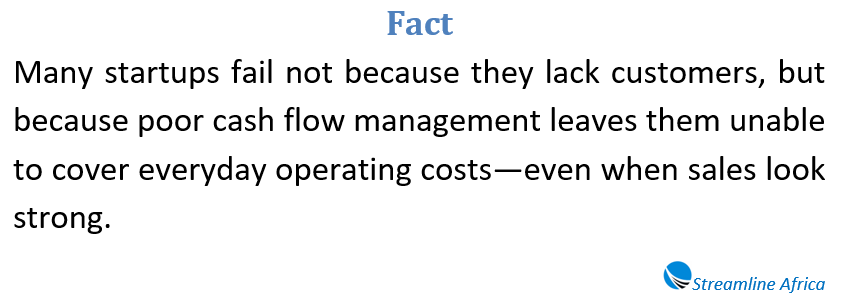
For early-stage businesses, cash flow is often the difference between survival and shutdown. Revenue may look promising on paper, but timing mismatches between income and expenses can quickly create pressure. A healthy cash position gives founders room to breathe when sales dip, customers delay payments, or unexpected costs appear. More importantly, strong cash flow allows a startup to invest in growth opportunities, settle large obligations confidently, and acquire tools or equipment needed to scale operations sustainably.
While founders sometimes rely on personal savings or external financing to stay afloat, these options are not always ideal or immediately available. Fortunately, many startups can significantly improve their cash position by making smarter internal decisions. With the right operational and financial adjustments, it is possible to unlock cash that is already within the business.
Unlocking Cash Through Smarter Operations
One of the most effective ways to improve cash flow is by looking inward. Inefficient processes often drain resources quietly over time. By tightening operations, startups can free up cash without increasing sales. For instance, encouraging customers to pay faster can have an immediate impact. Offering small incentives for early payment or enabling convenient digital payment options reduces the time money sits in receivables.
Another overlooked opportunity lies in asset usage. Equipment or tools that are rarely used still tie up capital. Selling underutilized assets and renting them only when necessary can convert idle resources into working cash. Founders may also need to review personal withdrawals from the business. During slower growth periods, reducing drawings can help preserve liquidity and protect the company’s core operations.
Inventory Control as a Cash Flow Lever
Inventory is a common cash trap for startups, especially those dealing in physical goods. Excess stock locks up money that could otherwise support daily operations. Adopting lean inventory practices can release significant funds. Ordering stock only when needed, rather than in large batches, reduces holding costs and minimizes waste.
Regularly reviewing inventory performance is equally important. Products that sell slowly or no longer align with customer demand should be phased out. Clearing obsolete stock through promotions or discounted sales, even at reduced margins, is often better than allowing it to sit idle. By consistently monitoring turnover rates, startups can ensure they are only investing in inventory that actively supports revenue generation.
Rethinking Credit and Payment Terms
Cash flow challenges are often intensified by generous credit terms. While offering credit may attract customers, it also delays cash inflows. Startups should carefully assess whether credit is truly necessary. In many cases, encouraging card payments or upfront settlements can significantly shorten the cash cycle.
For businesses involved in long-term or milestone-based projects, waiting until completion to invoice can strain cash reserves. Breaking projects into phases and invoicing for progress achieved ensures steady inflows throughout the engagement. This approach not only supports cash flow but also reduces the risk of non-payment at the end of a project.
Using Pricing Strategy to Improve Liquidity
Pricing decisions play a direct role in cash flow health. Even small price increases, when applied strategically, can lead to noticeable improvements. The key is understanding customer sensitivity. Startups should evaluate which products or services deliver the most value and where modest adjustments are unlikely to affect demand.
In some cases, bundling services or offering premium versions at higher price points can increase average transaction value without alienating customers. When pricing reflects true value, it supports both profitability and cash stability.
Encouraging Advance Payments and Predictable Income
Advance payments are a powerful tool for stabilizing cash flow. Requesting deposits for large orders or custom work shifts some financial risk away from the business. Customers are often open to this arrangement when expectations are clearly communicated.
Subscription models or structured payment plans can also smooth income patterns. Instead of irregular inflows, startups benefit from predictable monthly payments that align more closely with operating expenses. This consistency makes planning easier and reduces reliance on short-term funding solutions.

Strengthening Supplier Relationships
Suppliers play a critical role in a startup’s cash flow cycle. Negotiating better payment terms can provide immediate relief. Extended payment periods allow businesses to generate revenue from goods or services before settling supplier invoices. In some industries, consignment arrangements may also be possible, where payment is only made after items are sold.
When facing temporary cash pressure, open communication with suppliers is essential. Returning excess stock for credit or renegotiating order quantities can prevent unnecessary strain. Strong relationships built on transparency often lead to more flexible arrangements over time.
Continuous Cost and Process Improvements
Improving cash flow is not a one-time exercise. It requires ongoing attention to costs and performance. Implementing stricter credit control procedures ensures overdue payments are followed up promptly. Clear invoicing, defined payment terms, and consistent reminders reduce delays and disputes.
At the same time, startups should regularly review expenses to identify creeping costs. Switching to more affordable suppliers, renegotiating service contracts, or eliminating non-essential spending can free up cash quickly. Focusing on high-margin activities while declining low-return projects also strengthens financial resilience. Market research can further highlight inefficiencies or shifts in customer needs that require strategic adjustment.
Building a Habit of Saving Within the Business
Even small, regular savings can make a meaningful difference over time. Setting aside a fixed percentage of monthly sales or allocating surplus profits quarterly helps build a financial buffer. The key is ensuring these savings do not disrupt daily operations. When done consistently, this practice creates a reserve that can absorb shocks or fund future investments without external borrowing.
Turning Small Changes Into Lasting Stability
Every startup has hidden opportunities to improve cash flow, whether through better processes, smarter pricing, or stronger financial discipline. While external funding may still be necessary at times, these internal strategies often reduce the amount required and strengthen the business overall. With creativity, focus, and consistent effort, startups can transform cash flow from a constant worry into a strategic advantage.
If managing your startup’s finances feels overwhelming, professional guidance can make a significant difference. With the right support, it is possible to uncover new opportunities, build resilience, and unlock the full financial potential of your business.
Frequently Asked Questions
How can startups improve cash flow without taking loans?
By tightening operations, speeding up customer payments, reducing unnecessary costs, and freeing cash tied up in assets or inventory, startups can improve liquidity internally.
What operational changes have the fastest impact on cash flow?
Encouraging faster customer payments, cutting back on idle assets, and reducing founder withdrawals during slow periods often produce immediate results.
How does inventory management affect cash flow?
Excess inventory locks up money. Lean inventory practices and clearing slow-moving stock release cash that can be used for daily operations.
Is offering customer credit always a good idea?
Not necessarily. Credit delays cash inflows. Many startups benefit from upfront payments, card payments, or milestone-based invoicing instead.
Can pricing really improve cash flow?
Yes. Small, well-judged price increases or value-based pricing adjustments can significantly improve cash flow without reducing demand.
Why are advance payments and subscriptions helpful?
They provide predictable income and reduce financial risk by bringing cash in before or as work is delivered.
How can suppliers help ease cash flow pressure?
Negotiating longer payment terms, flexible delivery schedules, or consignment arrangements allows startups to generate revenue before paying suppliers.
What role does cost control play in cash flow management?
Regularly reviewing expenses, cutting waste, and focusing on high-margin work prevents cash leakage and strengthens financial stability.
Why should startups build business savings early?
Setting aside small, regular savings creates a safety buffer, helping the business handle downturns or invest in opportunities without panic or debt.