

Your employees are far more than a line item on a payroll. They are the people who represent your brand to customers, protect your ideas, and turn strategy into results. When talented employees stay, businesses grow stronger, more innovative, and more resilient. When they leave, the impact is felt immediately and often painfully.
Employee turnover does not just disrupt workflows; it drains time, money, and energy. Recruiting replacements, onboarding them, and waiting for them to reach full productivity can take months. Meanwhile, remaining team members may feel overstretched, uncertain, or demotivated, which can affect morale and performance across the business. Retaining your best employees is therefore not just an HR goal, but a core business strategy.
Creating a Sense of Ownership and Independence
People are more committed to their work when they feel trusted. Employees who have a sense of control over how they approach their tasks tend to be more engaged and invested in outcomes. Even routine responsibilities become more meaningful when individuals feel their judgment is respected.
Managers can support this by allowing team members to plan their own schedules, suggest improvements, and make decisions within clear boundaries. Rather than micromanaging, leaders should act as guides and problem-solvers. Being available to offer direction when needed, while still giving space to work independently, builds confidence and accountability. When employees feel supported rather than controlled, they are more likely to take pride in their contributions and stay loyal to the organization.
Building Strong, Two-Way Communication
Open communication is one of the strongest foundations of employee retention. People want to understand where the business is headed and how their role fits into the bigger picture. When information is withheld or communication is inconsistent, employees may feel disconnected or undervalued.
Regular conversations help prevent this. Leaders should share business goals clearly and consistently, while also inviting honest feedback. Asking employees how they feel about their workload, team dynamics, and growth opportunities shows that their opinions matter. Just as important is acting on that feedback. When concerns are raised and nothing changes, trust erodes quickly. Holding regular meetings to discuss progress, celebrate wins, and acknowledge effort helps employees feel seen and included.
Setting Clear Expectations and Being Fair
Consistency creates a sense of security at work. Employees should know what is expected of them and what outcomes lead to recognition or consequences. Uncertainty around performance standards can cause anxiety and frustration, even among high performers.
Clear performance metrics help remove ambiguity. When employees understand how their work is measured, they can focus their efforts more effectively. Regular performance discussions provide an opportunity to review progress, highlight achievements, and address areas that need improvement. These conversations should be honest but supportive, focusing on growth rather than blame. Fair and transparent treatment across all roles builds trust and reinforces a culture where people feel safe to do their best work.

Supporting Career Growth and Development
Most employees want more than just a paycheck. They are looking to build skills, gain experience, and progress in their careers. When people feel stuck or see no future within an organization, they are more likely to look elsewhere.
Providing opportunities for growth does not always require promotions. Allowing employees to take part in special projects, research new ideas, or lead initiatives can be highly motivating. Exposure to new challenges helps them expand their skills and keeps their work interesting. Supporting attendance at industry events, conferences, or networking sessions also signals that the business is invested in their long-term development. A clear commitment to learning and growth fosters loyalty and reduces the temptation to move on.
Investing in Learning and Skill Building
Training and development are powerful retention tools when used thoughtfully. Offering access to workshops, courses, or certifications helps employees improve their capabilities while adding value to the business. When learning opportunities are aligned with both individual aspirations and organizational needs, everyone benefits.
Even modest training budgets can have a significant impact if they are targeted effectively. Encouraging employees to suggest learning opportunities they find valuable increases engagement and ownership. Over time, a culture of continuous learning builds confidence, adaptability, and stronger performance, making employees more likely to stay and grow with the business.
Recognizing Effort Through Financial Rewards
While workplace culture and growth opportunities matter, fair pay remains a key factor in retention. Employees need to feel that their efforts are rewarded appropriately. Competitive salaries and benefits help prevent dissatisfaction and signal respect for their contribution.
One-off bonuses tied to major achievements, such as completing a demanding project or securing a critical deal, can be especially motivating. They provide immediate recognition and reinforce the connection between effort and reward. As responsibilities increase, pay should reflect that growth. Some businesses also consider long-term incentives, such as profit-sharing or equity participation, which can strengthen commitment by aligning employee success with the success of the company.
Offering Meaningful Non-Financial Benefits
Not all rewards need to come in the form of money. Thoughtful, non-financial incentives often have a strong emotional impact. Simple gestures, such as acknowledging work anniversaries or exceptional effort, help employees feel valued as individuals rather than just workers.
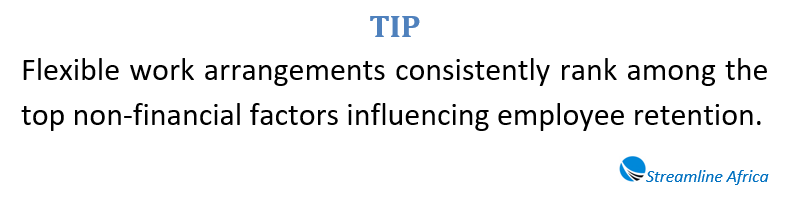
Flexibility is another powerful motivator. Options like remote work, adjusted hours, or occasional time off can significantly improve work-life balance. Small perks, such as leaving early before a holiday or recognizing personal milestones, show appreciation in ways that build goodwill and loyalty. These gestures contribute to a positive workplace experience that employees are reluctant to leave behind.
Creating a Workplace People Want to Stay In
Retaining top talent is about more than policies or perks. It is about creating an environment where people feel respected, supported, and excited about their work. When employees trust leadership, understand expectations, and see opportunities for growth, they are far more likely to stay.
By focusing on autonomy, communication, fairness, development, and recognition, businesses can build strong relationships with their teams. Over time, this approach not only reduces turnover but also creates a motivated workforce that drives long-term success.
Key FAQs about Employee Retention
Why is employee retention so important for businesses?
Keeping top employees protects business knowledge, reduces hiring costs, and maintains team morale, productivity, and long-term growth.
How does autonomy help employees stay longer?
When employees have control over how they work, they feel trusted and valued, which increases engagement and commitment.
What role does communication play in retention?
Clear, two-way communication helps employees feel informed, heard, and connected to the company’s goals and decisions.
Why are clear expectations essential?
Knowing how performance is measured reduces stress, builds fairness, and helps employees focus on doing their best work.
How do growth opportunities affect loyalty?
Employees who see learning and career development opportunities are less likely to look elsewhere for advancement.
Is pay the main reason employees leave?
Pay matters, but recognition, fairness, growth, and work-life balance often have an even bigger impact on retention.
How do non-financial incentives improve retention?
Flexibility, recognition, and thoughtful gestures strengthen emotional connection and job satisfaction.
What creates a workplace people want to stay in?
A culture of trust, support, fairness, and opportunity makes employees feel respected and motivated to remain long term.