
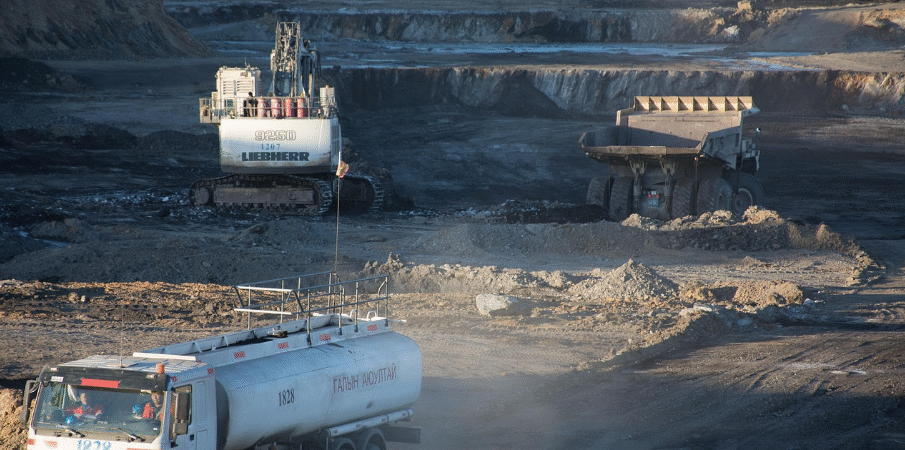
The global mining sector can be broadly grouped into mineral extraction, industrial metals production, and non-metal resource mining.
Liquidity, profitability, and capital efficiency ratios are essential tools for evaluating mining firms.
The quick ratio is particularly important due to the sector’s heavy upfront investment needs.
Operating profit margin highlights cost discipline in a price-volatile environment.
Return on equity shows how effectively shareholder capital is being converted into earnings.
Mining remains one of the backbone industries of the modern economy. From the steel that shapes cities to the lithium powering electric vehicles, mining companies sit at the foundation of global production systems. Yet despite their importance, mining firms are complex to evaluate financially. Their earnings can swing dramatically with commodity prices, their projects require enormous capital commitments, and their cash flows often depend on long project timelines.
For investors, lenders, and analysts, financial ratios offer a practical way to cut through this complexity. Among the many available metrics, three stand out for mining analysis: the quick ratio, operating profit margin, and return on equity. Together, they provide insight into liquidity strength, cost efficiency, and shareholder value creation.
How Modern Mining Operations Work
Mining activity has shaped economic development across continents for centuries. Regions such as the Andean highlands of South America, the Copperbelt of Central Africa, and the vast interior plateaus of Central Asia have all grown around mineral extraction.
In West Africa, for example, gold and bauxite operations have driven infrastructure investment and export earnings for decades. In contrast, Central Europe has historically focused on coal and industrial minerals, while Southeast Asia has emerged as a critical supplier of nickel and tin used in electronics and energy storage.
Some countries have built national wealth on mining exports, while others have deliberately scaled back production due to environmental concerns, rising costs, or political pressure. As regulations tighten and sustainability expectations rise, mining firms must now balance profitability with environmental stewardship and community engagement.
Despite these variations, most mining operations share a common financial profile: high upfront spending, long development periods, and heavy dependence on global commodity markets.
The Structure of the Mining Industry
The mining sector is commonly divided based on the type of resource extracted. One group focuses on high-value materials such as gold, silver, and gemstones. Another concentrates on industrial and base metals like iron ore, copper, and zinc. A third group extracts non-metal resources such as coal, phosphate, limestone, and potash.
Within these categories, companies vary dramatically in size and scope. Large multinational miners operate diversified portfolios across several continents. These firms often have the balance sheets and technical expertise required to build massive extraction and processing facilities.
At the other end of the spectrum are exploration-focused operators. These smaller companies, sometimes referred to as early-stage or development miners, concentrate on identifying new deposits rather than producing minerals at scale. When a promising discovery is made, these firms are often acquired by larger players capable of financing full-scale operations.
This dynamic relationship between large producers and smaller explorers is a defining feature of the industry and plays a major role in shaping financial risk profiles.
Investment Considerations Unique to Mining
Mining is capital-intensive by nature. Before a single unit of ore is sold, companies must fund geological surveys, feasibility studies, environmental assessments, permitting processes, and infrastructure construction. These early investments can stretch over many years and cost hundreds of millions of dollars.
Once a mine becomes operational, however, the cost structure often stabilizes. Equipment, labor, and processing expenses tend to follow predictable patterns, while output volumes can be adjusted in response to market conditions.
Revenue volatility remains a constant challenge. Commodity prices are influenced by global supply and demand, geopolitical events, currency movements, and technological shifts. As a result, mining firms must manage production levels carefully to preserve margins during downturns and maximize returns during favorable price cycles.
This financial complexity makes ratio analysis especially valuable.
Key Financial Ratios for Mining Analysis
Evaluating Liquidity Through the Quick Ratio
Liquidity is a critical concern for mining companies, particularly those still developing new projects. The quick ratio measures a firm’s ability to meet short-term obligations using its most liquid assets.
Unlike broader liquidity measures, this ratio excludes inventory, which may be difficult to convert into cash quickly in the mining context. Instead, it focuses on cash, receivables, and near-cash assets.
The quick ratio is calculated by subtracting inventories from current assets and dividing the result by current liabilities. A value above one generally indicates that a company can cover its short-term commitments without selling long-term assets or securing additional financing.
This measure is especially useful in mining because project delays, regulatory setbacks, or price downturns can quickly strain cash reserves. A strong quick ratio provides a buffer against these uncertainties and signals financial resilience.
Measuring Cost Control With Operating Profit Margin
Profitability in mining depends as much on cost discipline as it does on commodity prices. The operating profit margin reveals how efficiently a company converts revenue into operating income after accounting for production, labor, and administrative expenses.
This ratio is calculated by dividing operating profit by total revenue. Higher margins indicate that a company is managing its costs effectively relative to its peers.
Mining firms often face fluctuating expenses tied to energy prices, transportation costs, and regulatory compliance. Additionally, changes in ore quality over the life of a mine can significantly affect processing costs.
By examining operating margins over time and comparing them with similar producers, analysts can identify companies that maintain efficiency even in challenging market conditions. Strong margins often reflect disciplined management, modern equipment, and well-located assets.
Assessing Shareholder Returns Using Return on Equity
Return on equity focuses on how effectively a company uses shareholder capital to generate profits. It is calculated by dividing net income by total equity.
For investors, this ratio answers a simple but powerful question: how much profit is being earned for every unit of capital invested by shareholders?
In mining, return on equity can vary widely depending on project maturity, leverage levels, and commodity cycles. Established producers with long-lived assets often deliver steadier returns, while newer operators may show volatile or temporarily low figures during expansion phases.
Some analysts refine this measure by excluding preferred equity or extraordinary items to focus on returns attributable to common shareholders. Others complement it with return on assets, which evaluates efficiency across both equity and debt financing.
Additional Profitability Metrics to Consider
While return on equity is widely used, it is not the only profitability indicator relevant to mining analysis. Return on invested capital provides insight into how effectively all capital sources are deployed, while gross profit margin highlights production-level efficiency before overhead costs.
Return on assets can be particularly useful when comparing companies with different capital structures, as it removes the impact of leverage. Together, these metrics offer a more complete picture of operational performance.
Why Liquidity Ratios Matter So Much in Mining
Mining projects rarely unfold exactly as planned. Unexpected geological challenges, permitting delays, or infrastructure issues can disrupt timelines and cash flows. Liquidity ratios such as the quick ratio help identify companies that can absorb these shocks without resorting to emergency financing.
Strong liquidity also gives management flexibility. Firms with healthy cash positions can invest during downturns, acquire distressed assets, or accelerate development when market conditions improve.
For investors, liquidity serves as a margin of safety in an inherently uncertain industry.
Is Mining Still an Attractive Investment Sector?
Mining continues to play a central role in global development. The transition to renewable energy, expansion of electric transportation, and growth of digital infrastructure all depend on reliable access to critical minerals.
However, mining is not suitable for every investor. The sector involves exposure to price volatility, regulatory risk, and long project timelines. Success depends on selecting companies with strong balance sheets, disciplined cost management, and experienced leadership.
Financial ratios do not eliminate these risks, but they help investors make more informed, objective comparisons between potential investments.
The Final Take
Mining is both an ancient industry and a modern necessity. As global demand for raw materials continues to evolve, investors need reliable tools to assess which companies are positioned to thrive.
The quick ratio offers insight into short-term financial strength, operating profit margin reveals cost efficiency, and return on equity highlights shareholder value creation. Used together, these metrics provide a solid foundation for evaluating mining businesses in a complex and dynamic global market.
Understanding these ratios does not guarantee investment success, but it significantly improves the quality of decision-making in one of the world’s most essential industries.
Important Questions and Answers
Why are financial ratios especially important for mining companies?
Mining businesses operate with high upfront costs, long project timelines, and exposure to volatile commodity prices. Financial ratios help investors quickly assess whether a company can manage cash flow pressures, control costs, and deliver returns despite these uncertainties.
What does the quick ratio reveal about a mining firm?
The quick ratio shows whether a mining company can meet short-term obligations using readily available assets like cash and receivables. This is crucial in mining, where unexpected delays or price drops can quickly strain liquidity.
How does operating profit margin reflect mining efficiency?
Operating profit margin highlights how well a mining company controls its operating costs relative to revenue. Strong margins often signal efficient operations, disciplined management, and resilience during commodity price swings.
Why is return on equity important to investors?
Return on equity indicates how effectively a mining company turns shareholder capital into profits. It helps investors judge whether the risks associated with mining are being rewarded with sufficient returns.
Can financial ratios predict mining investment success?
Ratios don’t guarantee success, but they reduce guesswork. When combined with industry knowledge and market trends, they help investors compare companies objectively and identify stronger financial positions.
How do mining companies differ from other industries financially?
Mining firms face heavier capital expenditure, longer payback periods, and greater exposure to global price cycles than most industries. These factors make liquidity and profitability ratios particularly critical.
Is the mining sector still attractive for long-term investors?
Yes, demand for metals and minerals continues to grow due to infrastructure development, technology, and energy transitions. Well-managed mining companies with strong financial ratios remain appealing to long-term investors.