
Accrual accounting is the dominant financial reporting method for most medium and large businesses worldwide, yet it is often misunderstood. At its core, accrual accounting is not about when money changes hands—it is about when economic activity actually occurs. This distinction is critical for understanding business performance, profitability, and financial position.
Rather than tracking cash in and cash out, accrual accounting focuses on obligations earned and obligations incurred. This approach provides a more realistic view of how a business operates over time, especially when transactions span weeks, months, or even years.
Key Takeaways
- Accrual accounting recognizes income when it is earned, not when payment is received.
- Expenses are recorded when they are incurred, regardless of when they are paid.
- This method aligns revenues with the costs used to generate them.
- Accrual accounting improves comparability and accuracy in financial reporting.
- Most businesses that extend credit or carry inventory rely on accrual accounting.
Understanding the Logic Behind Accrual Accounting
To appreciate why accrual accounting exists, consider how modern businesses operate. Companies routinely deliver goods before being paid, sign long-term service contracts, and incur costs today that support revenue tomorrow. A cash-only system would distort performance by showing large swings that reflect payment timing rather than real activity.
Accrual accounting solves this problem by matching financial events to the periods in which they actually happen. This principle—known as the matching principle—ensures that revenues and the expenses tied to them appear in the same accounting period.
For business owners, investors, and lenders, this produces financial statements that better reflect operational reality rather than short-term cash movement.
When Revenue Is Recognized
Under accrual accounting, revenue is recorded when it is earned. Earning revenue generally means that a business has completed its obligation to provide a product or service, even if payment has not yet been received.
Imagine a marketing consultancy in Vancouver that signs a three-month contract to manage a client’s advertising campaign for a fixed fee. If the consultancy completes the work in March but does not receive payment until April, the revenue still belongs in March’s financial statements. The economic value was delivered in March, regardless of when the cash arrived.
This approach applies across many industries. Retailers recognize revenue when goods are delivered to customers. Software companies recognize revenue as users gain access to services. Construction firms recognize revenue as work progresses, not when invoices are settled.
Revenue Recognition in Practice
While the concept sounds simple, applying it can be complex. Many businesses deliver value over time rather than all at once. In these cases, revenue is recognized incrementally as performance obligations are met.
For example, a property management firm in Melbourne may collect six months of rent upfront from a commercial tenant. Even though the cash arrives immediately, the revenue is earned month by month as the space is made available. Recording all the income at once would overstate performance in the first month and understate it in the remaining months.
Accrual accounting prevents this distortion by spreading revenue across the periods in which it is earned.
When Expenses Are Recognized
Expenses follow a similar principle. Costs are recorded when they are incurred, not when payment is made. An expense is incurred when a business receives goods or services that contribute to its operations or revenue generation.
Consider a logistics company in Rotterdam that receives fuel deliveries in late June but pays the supplier in July. The fuel was consumed in June, enabling deliveries to customers during that period. As a result, the expense belongs in June’s accounts, even though the cash outflow occurs later.
This timing ensures that expenses are properly matched with the revenues they help generate.
Common Examples of Accrued Expenses
Accrued expenses are costs that have been incurred but not yet paid. These are common in most businesses and include wages, utilities, interest, and professional services.
A manufacturing firm in Ohio may owe its employees wages for the final week of December, even though payroll is processed in early January. Those wages are still recorded as a December expense because the employees performed the work during that month.
Similarly, interest on loans accrues daily, even if payments are only made quarterly. Accrual accounting ensures these obligations appear in the correct reporting period.
Deferred Expenses and Prepayments
Not all expenses are recorded immediately. When a business pays for something in advance, the cost is initially recorded as an asset rather than an expense. The expense is recognized gradually as the benefit is consumed.
Insurance is a common example. A consulting firm in Dublin may pay an annual insurance premium upfront in January. Instead of expensing the full amount immediately, the cost is spread evenly across the year, reflecting the ongoing protection received each month.
This treatment prevents expenses from being overstated in the period of payment and understated in future periods.
Accrual Accounting Versus Cash Accounting
The key difference between accrual and cash accounting lies in timing. Cash accounting records transactions only when money changes hands. Accrual accounting records transactions when economic activity occurs.
For small businesses with simple operations, cash accounting can be easier to manage. However, it often fails to provide an accurate picture of performance, particularly when sales and expenses do not align neatly with cash flows.
Accrual accounting, while more complex, offers greater insight. It shows outstanding receivables, unpaid obligations, and future commitments—information that is essential for planning, budgeting, and financial analysis.
Why Accrual Accounting Matters to Decision-Makers
Accrual accounting is not just a technical requirement; it is a decision-making tool. By reflecting real business activity, it allows managers to evaluate profitability, identify trends, and assess operational efficiency.
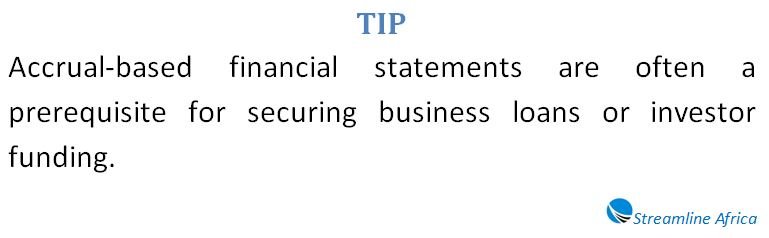
Investors rely on accrual-based financial statements to compare companies consistently. Lenders use them to assess credit risk and repayment capacity. Regulators and tax authorities depend on them to ensure transparency and compliance.
Without accrual accounting, financial statements would be heavily influenced by payment timing, making meaningful analysis far more difficult.
Regulatory and Reporting Considerations
In many jurisdictions, accrual accounting is mandatory for larger businesses and public companies. International Financial Reporting Standards (IFRS) and Generally Accepted Accounting Principles (GAAP) both require accrual-based reporting for most entities.
Even smaller businesses often transition to accrual accounting as they grow, particularly when inventory, financing arrangements, or long-term contracts become part of operations.
Understanding when revenues and expenses are counted is therefore essential not only for compliance but also for strategic growth.
Final Thoughts
Accrual accounting shifts the focus from cash flow to economic reality. Revenues are counted when they are earned, and expenses are counted when they are incurred. This timing creates financial statements that reflect how a business truly operates, not just when payments happen to occur.
While the method requires more judgment and careful tracking, the payoff is clarity. Accrual accounting aligns income with effort, costs with outcomes, and financial reporting with real-world activity. For businesses seeking accuracy, credibility, and informed decision-making, understanding accrual timing is not optional—it is fundamental.
Frequently Asked Questions
What Is Accrual Accounting in Simple Terms?
Accrual accounting is a method of recording financial activity based on when value is created or consumed, not when cash moves. It shows what a business has earned and what it owes during a specific period, giving a clearer picture of performance.
When Is Revenue Recorded Under Accrual Accounting?
Revenue is recorded when a product or service is delivered and the business has fulfilled its obligation, even if the customer pays at a later date.
Why Doesn’t Accrual Accounting Wait for Cash Payments?
Waiting for cash would distort results. Accrual accounting separates operational performance from payment timing, allowing businesses to see how they are truly performing month by month.

How Are Expenses Recognized Using the Accrual Method?
Expenses are recognized when the related goods or services are used, not when they are paid for. This ensures costs appear in the same period as the revenue they support.
What Are Accrued Expenses in Everyday Business?
Accrued expenses are costs a business has already incurred but has not yet paid, such as unpaid wages, utility bills, or interest that continues to build over time.
How Are Prepaid Expenses Treated?
Prepaid expenses are recorded as assets first and then gradually expensed as the benefit is received, such as insurance or software subscriptions paid in advance.
How Does Accrual Accounting Improve Financial Accuracy?
By matching income and expenses to the correct periods, accrual accounting reduces misleading spikes and dips in reported profits caused by irregular cash flows.
Is Accrual Accounting Better Than Cash Accounting?
For growing or complex businesses, yes. Accrual accounting offers deeper insight into financial health, while cash accounting is typically better suited to very small or simple operations.
Who Uses Accrual-Based Financial Statements?
Business owners, investors, lenders, regulators, and tax authorities all rely on accrual-based statements to evaluate performance, risk, and compliance.
Why Is Accrual Accounting Important for Long-Term Planning?
It helps businesses forecast accurately, manage obligations, and make informed decisions by showing what has been earned and what is still owed at any given time.