

Starting or growing a business is rarely easy, but doing so with bruised credit can make the journey feel almost impossible. In today’s financial climate, access to capital is tighter, underwriting is more automated, and lenders are far less forgiving of past mistakes. For entrepreneurs with less-than-perfect credit, the result can be repeated rejections, stalled plans, and mounting frustration.
This challenge isn’t limited to a small group. Economic disruptions over the past few years, from global shutdowns to inflationary pressure and rising living costs, have left many capable business owners with damaged credit profiles. Missed payments, high utilization ratios, or short-term survival decisions made during hard times now show up as red flags when funding is needed most.
The good news is that bad credit doesn’t automatically end your entrepreneurial ambitions. While there’s no instant fix, there are thoughtful, strategic steps you can take to keep moving forward without making your situation worse. Below are three practical approaches to consider if credit issues are slowing your business down, each designed to protect your long-term prospects while addressing immediate needs.
The Reality of Lending With Imperfect Credit
Modern lending decisions are increasingly data-driven. Automated systems scan credit reports for patterns that signal risk, often with little room for personal explanation. A single late payment, multiple recent inquiries, or a maxed-out credit line can push an application into the rejection pile, regardless of your business idea or work ethic.
Entrepreneurs often fall into informal categories when applying for funding. Some are clearly strong candidates with clean credit histories and stable financial behavior. Others sit in a middle ground, where one or two issues create hesitation but may be fixable with time. Then there are applicants whose reports show deeper challenges, such as collections, defaults, or consistently high debt levels.
For those in the middle or lower ranges, the danger isn’t just denial of funding. It’s the temptation to make desperate choices that cause even more long-term damage. That’s why any strategy for navigating bad credit must balance short-term access to capital with long-term financial health.

1. Consider Working With a Credit-Aligned Partner
When traditional funding isn’t available, one possible path forward is partnering with someone who has stronger credit. This could be a trusted family member, long-time friend, or business associate who believes in your vision and is willing to support it financially.
A credit-aligned partner might help in several ways. They could co-sign a loan, apply jointly as a co-borrower, or add you as an authorized user on an existing credit account. In some cases, they may even secure funding themselves and pass the capital on to the business under a private agreement.
This approach can provide immediate access to resources, but it comes with serious responsibilities. Before moving forward, it’s essential to have open conversations about expectations, timelines, and risk. Your partner’s own financial goals matter. If they plan to buy property, finance a vehicle, or apply for credit themselves in the near future, your arrangement could complicate those plans.
It’s also wise to document the agreement clearly, even when working with someone you trust. Written terms help prevent misunderstandings and protect both parties if circumstances change. Some entrepreneurs also identify a secondary partner as a contingency, ensuring the business isn’t derailed if the primary arrangement falls through.
Used carefully, a credit partner can act as a temporary bridge, giving you time to strengthen your own credit profile and eventually operate independently.
2. Learn How Soft Credit Checks Work
Many business owners assume that every credit inquiry damages their score, which leads them to avoid exploring options altogether. In reality, not all credit checks are the same, and understanding the difference can help you shop more safely.
Hard inquiries occur when a lender reviews your credit as part of a formal application. These typically show up on your report and may reduce your score slightly, especially if several occur in a short period. Soft inquiries, on the other hand, allow lenders to assess your creditworthiness without affecting your score at all.
Today, an increasing number of lenders use soft checks for pre-approvals, preliminary offers, or credit limit evaluations. Some financial platforms also rely on automated models to estimate eligibility before any formal application is submitted. This allows you to see potential terms, interest rates, or approval odds without risking additional damage.
By focusing on options that begin with soft checks, you can gather useful information, compare offers, and narrow your choices before committing to a hard inquiry. This is particularly valuable if your credit score is already fragile and every point matters.
The key is to read the fine print and confirm what type of inquiry is being used. Taking a few extra minutes to verify this can prevent unnecessary setbacks and help you approach funding decisions more strategically.
3. Explore Alternative Funding With Caution
When conventional credit-based financing isn’t viable, some entrepreneurs turn to funding options that don’t immediately appear on credit reports. These alternatives can provide short-term relief, but they require careful consideration.
Common examples include loans from friends or family, borrowing against certain retirement accounts, or using personal savings to support the business temporarily. In some cases, these methods can help stabilize operations while you work on repairing your credit or improving cash flow.
However, each option comes with trade-offs. Borrowing from personal relationships can strain trust if expectations aren’t met. Retirement-related funding may involve strict rules, time limits, or tax consequences. Removing money from long-term investments also means sacrificing future growth and financial security.
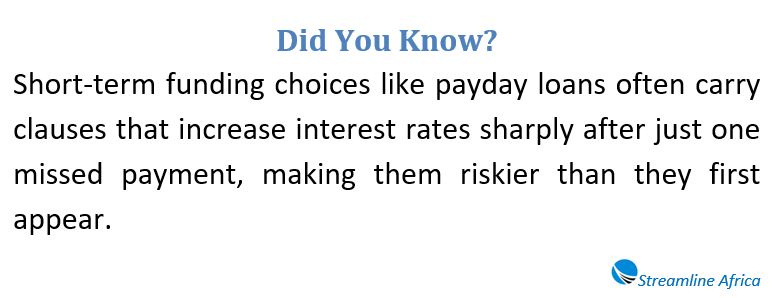
More extreme alternatives, such as payday advances or pawn-based lending, may seem convenient but often carry steep costs. High interest rates, short repayment windows, and penalty clauses can quickly trap borrowers in cycles of debt that are difficult to escape. Missing a single payment may trigger sharply increased rates or aggressive collection practices.
If you consider any alternative funding, it’s essential to understand the full terms, risks, and long-term impact. These tools are best viewed as temporary measures, not sustainable solutions, and should be used only when the benefits clearly outweigh the costs.
Building Toward a Healthier Credit Future
For some business owners, professional credit repair services play a role in restoring financial credibility. These services can help identify errors, negotiate certain issues, and guide better credit habits over time. While results aren’t immediate, gradual improvement can open doors that were previously closed.
Equally important is education. Understanding how credit scores are calculated, what behaviors help or hurt them, and how lenders evaluate risk empowers you to make smarter decisions. Small improvements, such as lowering utilization ratios or establishing consistent payment histories, can have meaningful effects over time.
If your credit challenges are limited to a few manageable areas, combining education with careful use of the strategies above may be enough to regain momentum. The process requires patience, but it keeps your entrepreneurial goals alive while protecting your long-term financial stability.
Final Thoughts
Bad credit can feel like a heavy anchor on your business ambitions, but it doesn’t have to define your future. By approaching the situation thoughtfully, avoiding panic-driven decisions, and choosing strategies that align with both immediate needs and long-term goals, it’s possible to move forward responsibly.
Every entrepreneur’s situation is different, and no single approach works for everyone. Taking the time to understand your options, seek professional guidance when necessary, and act with intention can help turn a difficult financial chapter into a stepping stone rather than a dead end.