
Hotels operate continuously, meaning their financial and operational activities do not pause when the day ends. To maintain accuracy and accountability, hotels carry out a specialized end-of-day review known as a night audit. This process typically occurs during late-night or early-morning hours when guest activity is minimal, allowing staff to concentrate on verifying records and closing the business day properly. A night audit is essentially a systematic examination of financial transactions, guest accounts, and operational data to confirm that all entries made throughout the day are correct and complete.
Unlike general accounting procedures that may occur weekly or monthly, the night audit is conducted daily. Its primary purpose is to reconcile revenue, confirm guest billing accuracy, and prepare reports that management will use for decision-making. Because hospitality businesses rely heavily on real-time transactions—room bookings, food purchases, and service charges—the audit ensures that no discrepancy goes unnoticed. This makes the night audit a vital operational checkpoint rather than just a routine clerical task.
The Role of the Night Auditor in Hotel Operations
The professional responsible for this process is the night auditor, who usually works at the front desk during overnight shifts. This role combines financial oversight with guest service responsibilities, making it one of the most multifaceted positions in hotel operations. While most guests are asleep, the night auditor performs accounting reviews, handles late check-ins, and ensures the property runs smoothly until the morning shift arrives.
In many establishments, the night auditor is not just a bookkeeper but also a frontline employee. They often respond to guest requests, manage reservations, and monitor security. Because staffing levels are lower at night, this individual must be self-reliant, attentive to detail, and capable of multitasking. Their ability to balance hospitality service with financial verification makes them an essential link between daily operations and financial management.
Core Purpose of the Night Audit Process
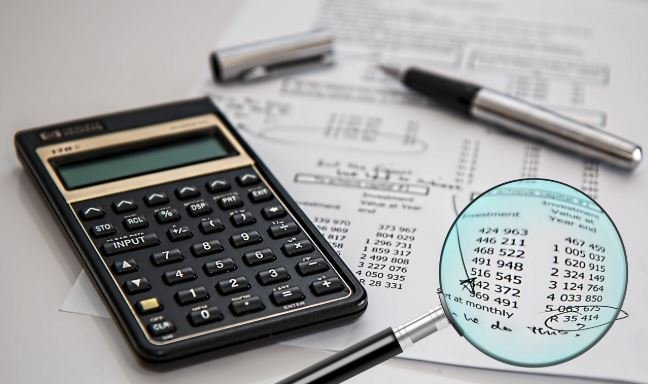
At its core, the night audit exists to confirm the accuracy of all financial activity recorded during the day. Every transaction—from room charges to restaurant bills—must be reviewed and matched against guest accounts and departmental records. This process ensures that the hotel’s financial data reflects actual business performance.
By verifying these figures nightly, hotels reduce the risk of errors accumulating over time. For example, incorrect billing entries, missing payments, or duplicated charges can be identified and corrected before they affect financial reports. The audit also serves as the official transition from one business day to the next, enabling the reservation system to advance and prepare for upcoming arrivals and departures.
Reviewing and Reconciling Guest Accounts
One of the most critical tasks in the night audit process involves examining guest folios, which are detailed records of each guest’s charges. These include room rates, taxes, food expenses, and any additional services used during the stay. The auditor carefully reviews these accounts to ensure that all charges have been properly posted and that no billing discrepancies exist.
This verification requires comparing departmental postings with guest bills. For instance, if a guest dined at the hotel restaurant or used room service, those charges must appear accurately on their account. If inconsistencies are discovered, adjustments are made to maintain correct financial records. Through this process, the hotel avoids revenue losses and ensures transparent billing for guests.
Verification of Daily Financial Transactions
Another essential responsibility is confirming the accuracy of all financial transactions recorded throughout the day. Payments made via cash, credit cards, or other methods must be reconciled with receipts and system records. This step guarantees that all revenue streams align with the hotel’s accounting system.
The night auditor examines vouchers, discounts, refunds, and adjustments to ensure they were processed correctly. Even minor discrepancies can indicate larger accounting issues, so attention to detail is vital. By verifying each transaction, the auditor safeguards the financial integrity of the establishment and prevents accounting errors from carrying into future records.
Posting Charges and Closing the Business Day
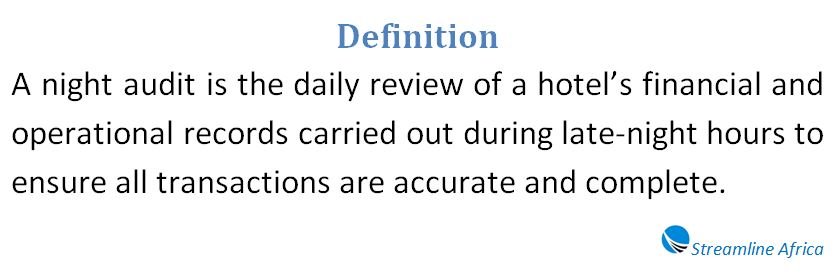
A significant part of the night audit involves posting daily room charges and taxes to each guest account. This usually occurs at the official close of the hotel’s business day, which often falls between midnight and the early morning hours. Once these postings are completed, the system can finalize the day’s financial activity and shift to the next operational cycle.
This step ensures that every occupied room generates the correct revenue entry and that all financial records remain current. If charges are not posted correctly, financial statements and occupancy data could become inaccurate. Therefore, the posting process is one of the most structured and carefully monitored aspects of the night audit.
Preparation of Financial and Statistical Reports
After reconciling transactions and accounts, the night auditor compiles a range of reports that summarize the hotel’s daily performance. These documents may include revenue summaries, occupancy statistics, and departmental income breakdowns. Management relies on these reports to assess business trends, evaluate promotions, and plan future strategies.
These reports are typically distributed to managers and accounting departments the following morning. By presenting a clear snapshot of financial activity, the night audit helps leadership make informed operational and financial decisions. Without accurate reporting, hotel management would struggle to measure performance or forecast revenue effectively.
Handling Front Desk Responsibilities During Overnight Hours
Although financial reconciliation is the primary focus, the night auditor also performs traditional front desk duties. Since hotels operate around the clock, guests may arrive late, check out early, or require assistance at any hour. The night auditor handles these situations professionally, ensuring uninterrupted guest service.
Typical front desk tasks during the night include processing late check-ins, managing reservations, and addressing guest concerns. In smaller hotels especially, the night auditor may be the only staff member available, making their role even more dynamic. Their ability to maintain customer service standards while conducting audits contributes significantly to guest satisfaction.
Monitoring Security and Maintaining Order
Security oversight is another often-overlooked aspect of the night auditor’s duties. Because overnight shifts usually have fewer employees on-site, the night auditor may monitor entrances, observe unusual activity, and respond to emergencies if they arise. This responsibility ensures both guest safety and property protection.
In addition to physical security, the auditor also checks room status reports and verifies that occupancy records match the actual condition of rooms. This coordination prevents operational errors such as assigning occupied rooms or overlooking maintenance issues. By maintaining vigilance, the night auditor supports both safety and operational efficiency.
Use of Property Management Systems in Night Audits
Modern hotels rely heavily on property management software to streamline the night audit process. These digital systems help auditors track transactions, identify discrepancies, and generate automated reports. Compared to manual methods used in the past, computerized audits are faster and more accurate.
The software integrates data from multiple departments, including housekeeping, food and beverage, and reservations. By consolidating this information, the auditor can quickly reconcile accounts and complete the audit with minimal errors. However, the effectiveness of the system still depends on the auditor’s analytical skills and attention to detail.
Additional Duties Based on Hotel Size and Structure
The scope of a night auditor’s responsibilities often depends on the size and staffing structure of the hotel. In larger establishments, tasks may focus primarily on accounting and reporting, while other departments handle guest services and maintenance. Conversely, smaller hotels may assign a wider range of duties to the night auditor due to limited staff.
These additional responsibilities can include answering phone calls, performing light administrative work, and assisting with operational preparations for the next day. In some cases, auditors may even coordinate with housekeeping or maintenance teams. The flexibility required for these duties highlights the adaptable nature of the role.
Skills and Qualifications Required for Effective Night Auditing
To perform effectively, a night auditor must possess a combination of technical and interpersonal skills. Strong numerical ability and accounting knowledge are essential for reconciling transactions and detecting discrepancies. At the same time, excellent communication skills are necessary for assisting guests and coordinating with other departments.
Computer literacy is equally important, as most audit procedures rely on digital systems. Additionally, attention to detail, organizational skills, and the ability to work independently during overnight hours are key qualities. Since the role often involves minimal supervision, self-discipline and reliability are highly valued traits in this profession.
Importance of the Night Audit in Hotel Management
The night audit plays a fundamental role in ensuring financial transparency and operational continuity within a hotel. By reviewing daily transactions, verifying accounts, and preparing reports, the process provides a reliable foundation for financial decision-making. It also supports operational planning by offering accurate data on occupancy, revenue, and guest activity.
Beyond financial accuracy, the night audit contributes to guest satisfaction and service consistency. The auditor’s presence ensures that guests receive assistance even during late hours, maintaining the hotel’s reputation for round-the-clock service. Ultimately, the night audit is not merely an accounting routine but a critical function that supports the entire hospitality operation, ensuring that each new business day begins with accurate records and well-organized systems.
FAQs about Night Audit in the Hospitality Industry
Why is the night audit process important for hotel management?
It helps hotels maintain financial accuracy, detect errors early, and generate reliable reports for decision-making. By reconciling daily revenue and expenses, management gets a clear picture of occupancy, income sources, and overall performance.
What are the main duties of a night auditor?
The core responsibilities include reconciling accounting records, updating guest billing, posting room charges and taxes, and preparing end-of-day reports. They also verify receipts, apply credits or vouchers, and ensure all transactions balance correctly.
Do night auditors only handle accounting tasks?
Not at all. Besides financial reviews, they often work as overnight front desk staff, assisting with check-ins, guest requests, and minor service issues because hotels operate 24/7.
How does technology support the night audit process?
Most hotels use property management software to track transactions, detect discrepancies, and generate reports automatically. This makes the auditing process faster, more accurate, and easier to manage than manual record checks.
Does the role of a night auditor vary by hotel size?
Yes, the job scope changes depending on the property. In smaller hotels, auditors may handle multiple duties like guest services or light administrative tasks, while larger hotels may assign them more specialized accounting responsibilities.
What skills are essential to succeed as a night auditor?
Strong attention to detail, basic accounting knowledge, computer literacy, and good customer service skills are crucial. Since the role often involves working independently overnight, reliability and problem-solving ability are also highly valued.