

Four Generations, One Workplace
Our team spans multiple generations: Baby Boomers, Gen-X, Millennials, and Gen-Z. Each of us brings different expectations and motivations to work. Some of us, raised with “pressure equals performance” messaging, initially believed that if someone was underperforming, the answer was simple: confront them and increase the pressure.
Over time, we noticed that this approach didn’t resonate with newer generations. Surveys show that employees today care deeply about work-life balance, psychological safety, and feeling valued. For Millennials and Gen-Z, engagement and growth opportunities have declined the most, leaving them less motivated by traditional performance metrics.
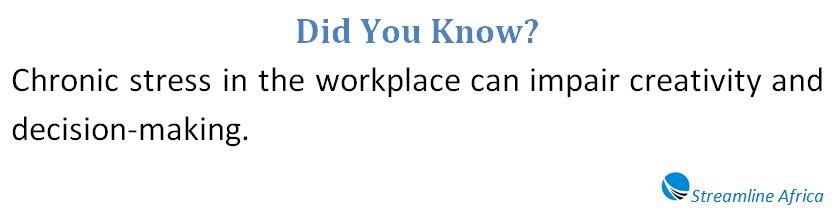
We realized as a team that the answer wasn’t to push harder—it was to focus on emotional regulation. When people feel safe, supported, and calm, their brains can access creativity, problem-solving, and focus, naturally improving performance.
Learning From Students to Support Our Team
Before we worked together as a corporate consulting team, many of us worked in education, supporting neurodiverse students. We saw firsthand how simple strategies to manage stress and emotions could transform learning outcomes.
Eighteen months ago, we began experimenting with three core practices with students: mindful breathing, movement breaks, and small rituals of gratitude. We noticed a 35% reduction in behavioral interventions and fewer disruptions. Students were learning to self-regulate without constant guidance.
As a team, we wondered: could these same practices improve our workplace? We started by adopting them ourselves during team meetings and one-on-one check-ins. Eight months later, every member of the organization was practicing these techniques, and they’ve become a core part of our culture.

1. Mindful Breathing
We begin our meetings—or even challenging days—with three to five minutes of mindful breathing. During this time, we encourage each other to focus on our breath, center ourselves, and set an intention for what we want to accomplish. Then, we move into the agenda.
Previously, our leadership meetings often lasted two to three hours, with side conversations and distractions eating up much of the time. Now, after a short breathing ritual, meetings are capped at 90 minutes and are far more focused and productive.
This practice isn’t limited to meetings. Team members take deep breaths before client calls, presentations, or even stressful project milestones. Studies show that just five minutes of focused breathing can lower anxiety, boost mood, and improve overall calmness—a small action with big effects on our collective focus.
2. Movement Breaks
We encourage each other to take regular movement breaks throughout the day. Sitting for extended periods increases stress and contributes to health issues, but short bursts of activity—like stretching, brisk walks, or desk exercises—improve both mental and physical well-being.
Our “walk-and-think” policy allows anyone on the team to take a 10-minute activity break whenever they feel mentally stuck. Leaders model this behavior by walking between meeting rooms or stretching in common areas. Employees report returning from these breaks more focused, energized, and ready to contribute meaningfully.
By normalizing movement, we’ve created a culture where taking a break is seen as restorative rather than indulgent. These micro-breaks protect against stress, boost productivity, and foster mental clarity.
3. Cultivating Gratitude and Joy
As a team, we keep visible reminders of gratitude and joy at our workstations. Some members display photos, souvenirs, or small objects that spark positive emotions. During stressful moments, interacting with these items helps us reset and regain focus.
For example, one team member keeps a miniature globe that reminds her of past travels, while another has a favorite playlist to lift her mood during intensive work sessions. These small, intentional practices increase resilience and support emotional regulation across the team.
Leadership plays a key role in this. When team leaders consistently celebrate achievements, acknowledge efforts, and express gratitude, employees feel seen and supported. Over time, this shared focus on emotional well-being strengthens trust, collaboration, and engagement.
A Culture Shift That Works
By prioritizing emotional regulation first, our team has seen performance improvements as a natural byproduct. Mindful breathing, movement breaks, and gratitude rituals are simple, free, and effective ways to reduce stress, enhance creativity, and foster engagement.
The results speak for themselves. Turnover has dropped, collaboration has improved, and our team is more innovative than ever. Instead of driving people harder to achieve results, we focus on supporting their emotional well-being—because a supported team is a high-performing team.
For any organization navigating a multi-generational workforce, the lesson is clear: put emotional regulation first. When people feel safe, calm, and valued, performance will follow naturally.
Key Takeaways
Below are some very important takeaways about boosting performance by prioritizing emotional regulation and wellbeing first:
Emotional Regulation Drives Performance
Supporting team members’ emotional wellbeing first allows creativity, problem-solving, and focus to flourish naturally, improving results without added pressure.
Mindful Breathing Reduces Stress
Short moments of intentional breathing before meetings or tasks help the team reset, stay present, and approach challenges with clarity and calm.
Movement Breaks Boost Energy and Focus
Encouraging brief activity throughout the day, from stretching to walking, revitalizes the mind and body, helping employees stay productive and alert.
Small Acts of Gratitude Create Positive Culture
Visible reminders of joy or gratitude—like photos, souvenirs, or personal mementos—help the team manage stress and foster a supportive, connected environment.
Leadership Sets the Tone
When leaders model emotional regulation and celebrate employees consistently, it strengthens trust, engagement, and a culture where people feel valued.
Sustainable Performance Comes From Wellbeing
Focusing on mental and emotional health reduces burnout and turnover while naturally enhancing innovation, collaboration, and long-term productivity.