

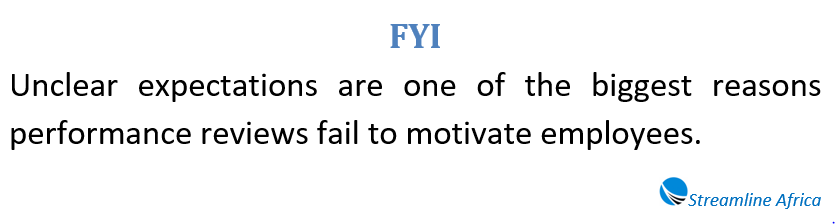
Across many organizations today, performance reviews are often viewed with mixed feelings. Some employees see them as helpful checkpoints, while others consider them unclear or disconnected from their daily work. Recent workplace insights suggest that only a small portion of employees believe performance reviews are truly fair and motivating. A major reason behind this is inconsistency—employees are sometimes evaluated on expectations that were never clearly defined in the first place.
In a growing company like GreenHarvest Solutions in Tamale, leadership once faced this exact issue. Field officers were measured on output targets, yet their evaluations focused heavily on documentation accuracy. This disconnect led to frustration and declining morale. It was only after restructuring their review system—making expectations clearer and feedback more consistent—that engagement began to improve.
This guide takes a fresh, practical look at performance reviews, offering HR teams a more human-centered and results-driven approach.
Understanding Performance Reviews in Today’s Workplace
A performance review is a structured conversation between a manager and an employee that evaluates work over a specific period. It is more than a scorecard—it is a moment to reflect, align, and plan forward.
In many organizations, performance reviews occur annually. However, companies like AgroLink Ghana in Wa have shifted toward quarterly conversations, allowing them to stay closer to employee progress and adapt quickly to operational changes.
At its core, a performance review typically includes a review of achievements, identification of development areas, and alignment on future goals. It also creates space for open dialogue, allowing employees to express concerns, share ideas, and seek clarity on expectations.
Another important dimension is feedback beyond the manager. In collaborative environments, insights from peers or team members often provide a more complete picture of performance. This multi-perspective approach helps reduce bias and strengthens trust in the process.
Why Performance Reviews Matter More Than Ever
When done well, performance reviews can become one of the most powerful tools in shaping workplace culture.
In organizations like Savanna Growers Cooperative, employees reported higher job satisfaction after leadership introduced structured feedback sessions. These sessions helped individuals understand how their work contributed to broader company goals, making their roles feel more meaningful.
One of the most important benefits of performance reviews is clarity. Employees gain a clear understanding of what they are doing well and where they need to improve. This clarity reduces confusion and improves accountability.
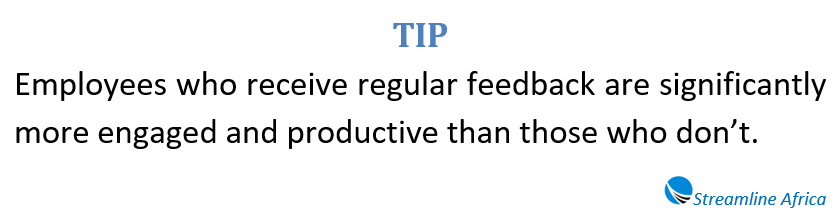
Performance reviews also support continuous development. Instead of waiting for problems to escalate, managers can identify gaps early and provide guidance. This proactive approach prevents small issues from becoming major setbacks.
Recognition is another key outcome. When employees feel seen and appreciated, their motivation increases significantly. Even simple acknowledgment of effort can strengthen commitment and loyalty.
Finally, performance reviews give employees a voice. They provide a structured opportunity to discuss challenges, working conditions, and even career aspirations. This two-way communication builds trust and strengthens relationships between employees and leadership.
Common Approaches to Performance Reviews
Organizations use different formats depending on their structure and culture. Each method offers unique advantages.
In fast-paced environments like FreshFields Logistics in Accra, regular one-on-one check-ins have replaced traditional annual reviews. Managers meet with employees every two weeks to discuss progress, challenges, and priorities. This approach ensures that feedback is timely and relevant.
Self-assessments are another widely used method. Employees reflect on their own performance, highlighting achievements and identifying areas for growth. This encourages ownership and promotes more balanced discussions during formal reviews.
Some companies adopt a broader approach through multi-source feedback. In this system, employees receive input from colleagues, supervisors, and sometimes even clients. This helps create a well-rounded understanding of performance, especially in team-based roles.
Goal-driven systems are also popular. In these setups, employees and managers agree on specific objectives at the beginning of a cycle. Progress is then measured against these agreed targets. This method works particularly well in results-oriented environments such as sales or operations.
Team-based assessments are useful where work is highly collaborative. Instead of focusing only on individual performance, these reviews evaluate how effectively a group works together to achieve shared goals.
A Practical Framework for Conducting Effective Reviews
Conducting a meaningful performance review requires preparation, structure, and intentional communication. The following framework can help managers deliver reviews that are both constructive and motivating.
Start with Preparation
Before the review meeting, managers should take time to reflect on the employee’s performance. This includes reviewing key achievements, challenges, and overall contributions.
For example, at Northern AgriTrade, supervisors gather data from project reports, attendance records, and peer feedback before each review. This ensures that discussions are based on facts rather than assumptions.
Preparation also involves identifying specific examples. Vague feedback such as “you need to improve communication” is far less effective than pointing to a specific situation and discussing how it could have been handled differently.

Set Clear Expectations for the Conversation
An effective review should never feel like a surprise. Sharing an agenda ahead of time helps employees prepare and reduces anxiety.
A simple structure might include reviewing past performance, discussing feedback, and setting future goals. When employees know what to expect, they are more likely to participate actively in the conversation.
Encouraging employees to prepare their own input is equally important. This transforms the review into a dialogue rather than a one-sided evaluation.
Begin with Strengths and Achievements
Opening the conversation on a positive note helps build confidence and creates a supportive atmosphere.
At HarvestBridge Ltd., managers begin each review by highlighting at least three key achievements from the employee’s work. This not only recognizes effort but also reinforces behaviors that the organization values.
Starting with strengths also makes it easier to transition into more challenging discussions later in the meeting.
Deliver Clear and Actionable Feedback
Feedback should be specific, balanced, and focused on improvement. It is important to link feedback to observable behavior rather than personal traits.
For instance, instead of saying “you are not proactive,” a manager might say, “During the last project cycle, there were delays in reporting. Submitting updates earlier would help the team stay aligned.”
This approach makes feedback easier to understand and act upon. It also ensures that employees feel treated fairly.
Managers should also ensure that feedback is within the employee’s control. Highlighting issues that employees cannot influence can lead to frustration and disengagement.
Focus on the Future with a Development Plan
The most impactful part of any performance review is the discussion about what comes next.
At EcoFarm Ventures in Bolgatanga, managers dedicate half of each review meeting to future planning. Employees leave the conversation with clear goals, defined timelines, and agreed support mechanisms.
Development plans should include both short-term targets and long-term aspirations. For example, an employee might aim to improve reporting accuracy within three months while also working toward a leadership role over the next year.
Setting measurable goals is key. Clear targets provide direction and make it easier to track progress over time.
Addressing Common Questions About Performance Reviews
One question organizations often ask is whether annual reviews are still relevant. While annual reviews provide a useful summary, they are most effective when combined with regular check-ins throughout the year. Continuous feedback ensures that employees stay aligned and can adjust quickly when needed.
Another important concept is consistency. Effective performance management is not a one-time event but an ongoing process. Regular conversations help build trust and create a culture of openness.
Organizations also need to ensure that performance goals are realistic and measurable. Goals related to productivity, collaboration, innovation, and results are commonly used. However, they should always be tailored to the specific role and context of the employee.
Finally, the frequency of reviews should match the organization’s needs. While some companies benefit from quarterly reviews, others may prefer monthly check-ins combined with an annual summary. The key is to maintain consistency and ensure that feedback remains relevant.
Building a Stronger Performance Culture
Performance reviews are not just administrative tasks—they are opportunities to shape the employee experience and drive organizational success.
When reviews are clear, fair, and forward-looking, they create a culture where employees feel supported and motivated. They help individuals understand their value, align their efforts with company goals, and continuously improve their skills.
For HR teams, the challenge is to design systems that are both structured and flexible. The goal is not just to evaluate performance but to inspire growth.
Organizations that get this right often see significant improvements in engagement, productivity, and retention. Employees become more confident, managers become better leaders, and the organization becomes more resilient.
In the end, a well-executed performance review is not about judging the past—it is about unlocking the future.
Key Takeaways
Performance Reviews Should Drive Clarity, Not Confusion
A well-run review helps employees clearly understand expectations, performance standards, and how their work contributes to bigger goals.
Continuous Feedback Beats Once-a-Year Conversations
Frequent check-ins keep performance aligned and prevent surprises, making reviews more meaningful and less stressful.
Preparation Determines the Quality of the Review
Managers who come prepared with real examples and insights deliver more credible, fair, and impactful feedback.
Start with Strengths to Build Engagement
Recognizing achievements first creates a positive tone, boosting confidence and openness during the discussion.
Feedback Must Be Specific and Actionable
Clear, behavior-based feedback helps employees understand exactly what to improve and how to do it.
Performance Reviews Are Two-Way Conversations
Employees should actively share their perspectives, challenges, and aspirations—not just receive feedback.
Future-Focused Planning Is the Real Value
The most important outcome of a review is a clear development plan with measurable goals and timelines.
Strong Review Systems Shape Workplace Culture
Consistent, fair, and transparent reviews build trust, improve engagement, and strengthen overall performance.