
Starting a business often comes with decisions that seem small at first but carry long-term consequences. One such choice is whether to use a personal bank account or open one specifically for your business activities. While it may feel convenient to rely on what you already have, a business checking account is designed with features that better support commercial operations, especially as your venture grows.
Unlike personal accounts, these accounts are structured to handle frequent transactions, business payments, and financial tracking tools. They provide a framework that helps business owners stay organized, compliant, and prepared for future opportunities.
Keeping Personal and Business Finances Separate
One of the most important reasons to open a business checking account is to draw a clear boundary between personal money and business funds. When everything flows through one account, it becomes difficult to distinguish which expenses belong to the business and which do not.
By separating accounts, you create a cleaner financial picture. This makes it easier to monitor revenue, track expenses, and produce accurate financial statements. When tax season arrives, you won’t need to sift through unrelated transactions to identify deductible costs.
For those running incorporated businesses, this separation is even more critical. It helps preserve the legal distinction between the owner and the company, which is essential for maintaining liability protection. In simple terms, keeping finances separate protects both your business and your personal assets.
Building Trust Through Professional Transactions
The way a business handles its financial dealings can shape how others perceive it. Paying suppliers or receiving payments under a personal name may raise questions, especially when dealing with larger clients or formal partners.
A business checking account allows transactions to carry the company’s name, reinforcing a sense of legitimacy. This can improve confidence among customers, vendors, and collaborators. It also strengthens your brand identity, as every financial interaction reflects your business rather than you as an individual.
Over time, this level of professionalism can influence opportunities. Lenders, investors, and partners are more likely to take your business seriously when your financial systems appear structured and intentional.
Simplifying Record-Keeping and Tax Preparation
Managing finances becomes far less stressful when all business-related transactions are centralized in one place. A dedicated account streamlines bookkeeping by providing a single, consistent record of activity.
This organization reduces the likelihood of errors and makes it easier to generate reports such as income statements or cash flow summaries. Accountants and financial advisors can work more efficiently when records are clear, which can lower the cost of professional services.
At the end of the financial year, having organized data can significantly ease tax preparation. Instead of reconstructing records from scattered sources, you can rely on accurate, ready-made information that reflects your business performance.
Unlocking Access to Financial Services
Opening a business checking account can also strengthen your relationship with financial institutions. This connection often leads to access to additional services that support growth.
Banks may offer credit facilities, business loans, or payment processing tools to account holders. Some also provide bundled services such as payroll management or invoicing systems, which can save time and improve efficiency.
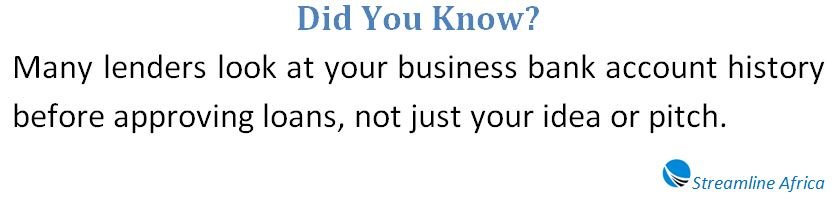
Consistent activity within your account helps establish a financial track record for your business. Over time, this history can make it easier to qualify for funding or negotiate better terms when seeking capital for expansion.
Improving Day-to-Day Cash Flow Management
Running a business requires constant awareness of how money moves in and out. A business checking account typically includes digital tools that provide real-time insights into your financial position.
With online and mobile access, you can monitor balances, review transactions, and stay updated on incoming payments. This visibility helps ensure that essential obligations such as rent, salaries, and supplier invoices are met on time.
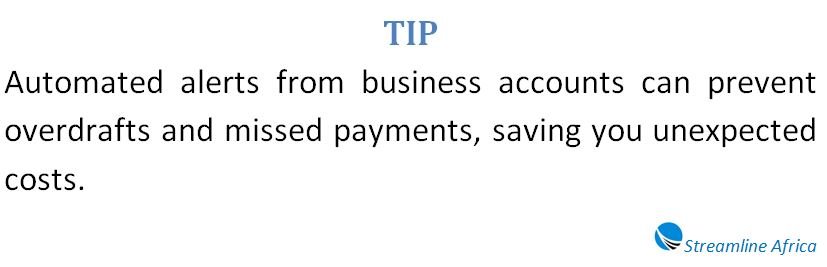
Features like scheduled payments can automate recurring expenses, reducing the risk of missed deadlines. Alerts for low balances or unusual activity act as early warnings, giving you time to respond before small issues escalate.
For businesses with fluctuating income, such as those affected by seasonal demand, these tools are especially valuable. They allow you to plan ahead, set aside reserves during profitable periods, and maintain stability during slower months.
Strengthening Security and Fraud Prevention
Financial security is a major concern for any business. Compared to personal accounts, business checking accounts often include enhanced safeguards designed to reduce risk.
These may include monitoring systems that detect unusual transactions, approval processes for payments, and controls that limit access based on user roles. For example, you can allow employees to view account activity without granting permission to move funds.
Additional protections, such as verification systems for payments, add another layer of defense against fraud. These features help ensure that your business finances remain secure, even as transaction volumes increase.
Considering the Downsides
Despite the many advantages, opening a business checking account does come with a few challenges. The setup process can require documentation such as identification, registration papers, or tax numbers. For new entrepreneurs, gathering these materials may feel time-consuming.
There may also be fees associated with maintaining the account, depending on the bank and the services used. Additionally, most business checking accounts do not offer significant interest on balances, which means idle funds may not grow as they would in other types of accounts.
However, these drawbacks are often outweighed by the structure and clarity that a dedicated account provides. Even for small operations, the long-term benefits tend to justify the initial effort.

Choosing and Using the Right Account
Selecting the right business checking account involves understanding your specific needs. Consider how many transactions you expect, whether you require digital tools, and what types of payments you will handle.
Comparing different banks can help you find an option with suitable features, reasonable fees, and flexible limits. Before applying, ensure you have all necessary documents ready to avoid delays.
Once your account is active, the key is consistency. Route all business income and expenses through it from the beginning. This habit builds a reliable financial record and makes future management much easier.
A Smart Foundation for Business Growth
Opening a business checking account may seem like a small administrative step, but it plays a significant role in shaping how your business operates. It creates order, builds credibility, and provides tools that support better financial decisions.
As your business evolves, having a dedicated account ensures you are prepared to handle increased complexity, seize opportunities, and maintain control over your finances. In the long run, it is not just a convenience but a strategic move that supports stability and growth.
Frequently Asked Questions
What is a business checking account and why does it matter?
A business checking account is a bank account specifically designed for handling company finances. It matters because it keeps your business transactions organized, making it easier to manage money, track performance, and stay compliant with financial regulations.
Why shouldn’t I use my personal account for business?
Using a personal account mixes your finances, which creates confusion, increases the risk of errors, and complicates tax filing. A separate account helps you clearly distinguish between personal and business expenses.
How does a business account improve professionalism?
When clients and partners see payments coming from your business name instead of your personal name, it builds trust. It shows that you run a structured and credible operation.
Does it really make bookkeeping easier?
Yes, it simplifies everything. With all transactions in one place, tracking income and expenses becomes straightforward, reducing mistakes and saving time during financial reporting and tax preparation.
Can a business checking account help me get funding?
Absolutely. Maintaining a consistent transaction history helps build your business’s financial profile, making it easier to qualify for loans, credit lines, and other financial services.
How does it help with managing cash flow?
It gives you real-time visibility into your finances. You can monitor balances, schedule payments, and receive alerts, helping you avoid shortfalls and plan ahead with confidence.
Are business checking accounts more secure?
Generally, yes. They often include added security features like transaction monitoring, approval controls, and fraud detection systems that provide stronger protection than personal accounts.
What are the main downsides to consider?
Some accounts come with fees and require documentation to open. Also, they usually don’t offer high interest on balances, but these drawbacks are minor compared to the benefits.