
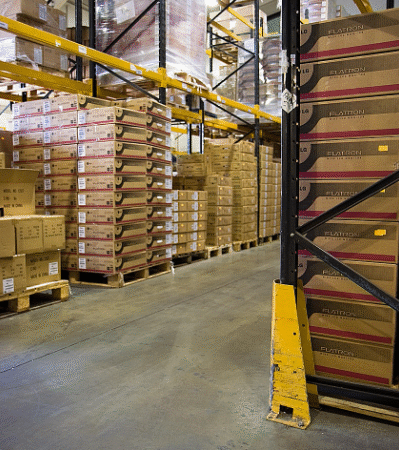
In a bustling wholesale market in Kumasi, a trader named Kojo runs a fast-growing agro-distribution business. Every week, trucks arrive loaded with maize, rice, and cooking oil. Yet Kojo’s success doesn’t just depend on how much stock he buys—it depends on how quickly he sells it and replaces it. This simple idea sits at the heart of a powerful business concept known as inventory turnover.
Inventory turnover is not just an accounting formula; it is a reflection of how efficiently a business operates. It tells a story about demand, purchasing decisions, pricing, and even customer satisfaction. Businesses that understand and manage this metric effectively often outperform their competitors because they know how to balance supply with demand.
What Inventory Turnover Really Means
At its core, inventory turnover measures how often a business sells and replaces its stock over a specific period, usually a year. Think of it as the speed at which goods move through a company.
For Kojo, this means tracking how many times his maize stock is completely sold and restocked within a season. If he sells out quickly and replenishes frequently, his turnover is high. If goods sit in storage for weeks or months, his turnover is low.
This concept is essential because inventory represents tied-up money. Every bag of maize sitting in a warehouse is capital that could have been used elsewhere. A faster turnover means that money is constantly being converted into sales and reinvested.

Breaking Down the Calculation
To calculate inventory turnover, businesses divide the cost of goods sold (COGS) by the average inventory over a period .
The cost of goods sold represents how much it costs a business to produce or purchase the goods it sells. Average inventory is typically calculated by taking the stock value at the beginning and end of a period and dividing by two.
This approach gives a more balanced picture, especially for businesses that experience seasonal fluctuations. For example, a company selling agricultural produce may have large stock levels during harvest periods and much lower levels afterward.
Why This Metric Matters for Businesses
Inventory turnover is more than just a number—it is a performance indicator. It reveals how effectively a company manages its stock and responds to market demand.
A high turnover generally suggests that products are selling quickly. This could mean strong demand, competitive pricing, or efficient supply chain management. For Kojo, this might indicate that his pricing strategy and distribution network are working well.
On the other hand, a low turnover can signal problems. It may indicate that goods are not moving as expected, possibly due to poor marketing, overstocking, or declining demand. In such cases, businesses risk losses due to spoilage, obsolescence, or storage costs.
The Hidden Story Behind High Turnover
While a high turnover is often seen as positive, it is not always perfect. In some cases, it can indicate that a business is holding too little inventory.
Imagine Kojo runs out of maize before the next shipment arrives. Customers may turn to competitors, leading to lost sales and damaged relationships. This situation shows that efficiency must be balanced with availability.
A well-managed business ensures that inventory moves quickly without risking stockouts. It’s about finding the sweet spot between having too much and too little.
When Low Turnover Isn’t Always Bad
Interestingly, a low inventory turnover is not always a negative sign. In certain situations, it can be a strategic choice.
For example, during periods of rising prices or supply chain uncertainty, businesses may intentionally stockpile goods. By doing so, they protect themselves from future cost increases or shortages.
In Ghana’s agricultural sector, where supply can be affected by weather conditions or logistics challenges, holding extra inventory can sometimes be a smart defensive move.
The Impact of Dead Stock
One of the biggest risks associated with poor inventory turnover is the accumulation of dead stock. These are items that remain unsold for long periods and may eventually become obsolete.
In Kojo’s business, this could be maize that spoils due to poor storage or seasonal products that lose demand over time. Dead stock ties up capital and increases storage costs without generating revenue.
Regularly reviewing inventory turnover helps businesses identify slow-moving products early. This allows them to take corrective action, such as discounting, bundling, or discontinuing certain items.
Comparing Inventory Performance Across Businesses
Inventory turnover becomes even more powerful when used for comparison. Businesses often benchmark their performance against competitors or industry standards.
However, it is important to compare similar businesses. A supermarket will naturally have a higher turnover than a car dealership because of the nature of the products.
Even within the same industry, factors such as business model, pricing strategy, and supply chain efficiency can influence turnover rates. Therefore, context is crucial when interpreting the numbers.
The Role of Seasonality
Many businesses experience seasonal demand, which can significantly affect inventory turnover.
For example, a company selling school supplies will see higher turnover during back-to-school periods and lower turnover at other times of the year. Similarly, agricultural businesses may experience peak sales during harvest seasons.
Because of this, a single turnover figure may not tell the full story. Businesses should analyze trends over time to understand how seasonality impacts their performance.
Cost Fluctuations and Their Effect
Another important factor is the variability in costs. Since inventory turnover relies on the cost of goods sold, changes in input prices can influence the ratio.
For instance, if fuel prices increase, transportation costs rise, which may affect the overall cost of goods sold. This, in turn, can distort the turnover ratio, making it appear higher or lower than it actually is.
Businesses must therefore interpret inventory turnover alongside other financial indicators to get a clearer picture.
The Relationship with Other Inventory Metrics
Inventory turnover does not exist in isolation. It is often analyzed alongside related metrics to provide deeper insights.
One such metric is the number of days it takes to sell inventory, often referred to as days sales of inventory (DSI). This metric translates turnover into a time-based measure, making it easier to understand how long products remain in stock.
Another related measure compares inventory levels to sales. Together, these metrics help businesses evaluate whether they are holding too much or too little stock.
Real-Life Example of Inventory Turnover in Action
Consider a retail chain operating across West Africa. In one year, the company records a cost of goods sold of GHS 100 million. Its inventory at the beginning of the year is GHS 12 million, and at the end of the year, it is GHS 8 million.
The average inventory is therefore GHS 10 million. Dividing the cost of goods sold by this figure gives a turnover of 10.
This means the company sells and replaces its entire inventory ten times a year. Breaking it down further, it takes about 36 days to cycle through its stock.
If the following year the turnover increases to 11, it suggests improved efficiency, stronger demand, or better inventory management practices.
Limitations You Should Not Ignore
Despite its usefulness, inventory turnover has its limitations. It does not account for lead times, which are the delays between ordering and receiving inventory.
A company may have a high turnover but still struggle with stockouts if suppliers take too long to deliver. This can lead to customer dissatisfaction and lost revenue.
Additionally, the metric does not fully capture the costs associated with maintaining low inventory levels, such as emergency shipping or missed sales opportunities.
Improving Inventory Turnover in Practice
Businesses can take several practical steps to improve their inventory turnover.
One approach is to use data-driven demand forecasting. By analyzing sales trends, companies can better predict what customers will buy and when.
Another strategy is to streamline supply chains. Faster and more reliable delivery systems allow businesses to maintain lower inventory levels without risking shortages.
Technology also plays a key role. Inventory management software helps track stock levels in real time, reducing errors and improving decision-making.
Finally, pricing and promotions can be used to accelerate the movement of slow-selling items. Discounts, bundles, and targeted marketing campaigns can help clear excess inventory.
A Simple Way to Understand It
Imagine a small shop selling bottled drinks. If the shop sells all its drinks every two days and restocks immediately, it has a high turnover. If the drinks stay on the shelf for weeks, the turnover is low.
This simple example captures the essence of inventory turnover: it is about how quickly goods move from storage to customers.
The Bigger Picture
Inventory turnover is ultimately about efficiency and balance. It helps businesses understand how well they convert stock into sales while managing costs and meeting customer demand.
For entrepreneurs like Kojo, mastering this concept can mean the difference between growth and stagnation. By paying attention to how quickly inventory moves, businesses can free up cash, reduce waste, and respond more effectively to market changes.
In today’s competitive environment, where margins are tight and customer expectations are high, understanding inventory turnover is not optional—it is essential.
Frequently Asked Questions about Inventory Turnover
Why is inventory turnover important for businesses?
It helps businesses understand efficiency, manage cash flow, and ensure they are not overstocking or understocking products.
What does a high inventory turnover indicate?
A high turnover usually means strong sales or efficient inventory management, where products are moving quickly.
Can a high inventory turnover ever be a problem?
Yes, it can signal that stock levels are too low, leading to missed sales if customers cannot find what they need.
What does a low inventory turnover suggest?
It often points to slow sales, excess stock, or poor demand forecasting, which can tie up cash unnecessarily.
How is inventory turnover calculated?
It is calculated by dividing the cost of goods sold by the average inventory over a specific period.
What is dead stock and why is it risky?
Dead stock refers to unsold inventory that sits for too long, leading to losses, storage costs, or spoilage.
How does seasonality affect inventory turnover?
Seasonal demand can cause fluctuations, with higher turnover during peak periods and lower turnover during slow seasons.
How can businesses improve their inventory turnover?
They can use better forecasting, streamline supply chains, adopt inventory systems, and run promotions to clear slow-moving items.
Is inventory turnover the same across all industries?
No, it varies widely—fast-moving goods like groceries have higher turnover than expensive items like cars.