
In the busy commercial district of Kumasi, a small logistics firm run by Kojo Mensah was growing faster than expected. Every day, trucks moved goods across regions, invoices piled up, and payments flowed in and out. At first, Kojo handled everything himself—tracking expenses in a notebook and calculating profits at the end of each month. But as the business expanded, confusion followed. Numbers stopped making sense, and decisions became harder to justify.
This situation reflects a common misunderstanding in business: treating bookkeeping and accounting as the same function. While both revolve around financial data, they serve very different purposes. Bookkeeping focuses on recording daily transactions, while accounting takes those records and transforms them into meaningful insights that guide business strategy.
Understanding this distinction can help entrepreneurs like Kojo avoid costly mistakes and build stronger financial foundations.
The Core Role of Bookkeeping in Daily Operations
Bookkeeping is the backbone of financial organization. It involves documenting every transaction a business makes, no matter how small. Imagine Ama Owusu, who runs a boutique clothing shop in Takoradi. Each sale, supplier payment, and utility bill must be recorded accurately. That responsibility falls to her bookkeeper.
Bookkeepers ensure that financial data is complete and up to date. They record transactions in journals, manage ledgers, and reconcile bank statements. Without this consistency, businesses would quickly lose track of their financial position.
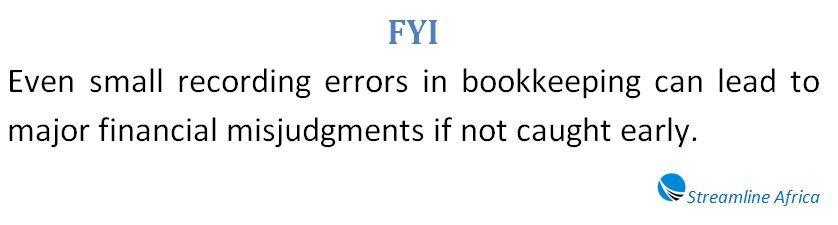
The work may seem routine, but it requires intense attention to detail. A small error—like recording a payment twice or missing an expense—can lead to larger discrepancies later. Bookkeepers must be organized, methodical, and comfortable working with numbers throughout the day.
In many cases, bookkeeping is the first step into the financial profession. People can start with basic training, often learning on the job or through short certification programs. This accessibility makes it an attractive entry point for individuals exploring careers in finance.

Accounting as a Strategic Business Tool
While bookkeepers focus on recording data, accountants interpret it. Returning to Kojo’s logistics company, once all transactions are properly recorded, an accountant steps in to analyze the numbers and provide direction.
Accounting goes beyond simple calculations. It involves preparing financial statements, evaluating performance, and advising on future decisions. For example, an accountant might identify that Kojo’s fuel costs are rising faster than revenue and recommend operational changes to improve profitability.
Accountants also ensure compliance with financial regulations. They prepare tax returns, conduct audits, and verify that records meet legal standards. Their work helps businesses avoid penalties and maintain credibility with stakeholders.
Unlike bookkeeping, accounting often requires formal education. Many accountants hold university degrees in finance or related fields, and some pursue advanced certifications to enhance their expertise. This deeper training equips them to handle complex financial scenarios and provide high-level advice.
Comparing Responsibilities in Practice
The difference between bookkeeping and accounting becomes clearer when looking at their daily responsibilities.
A bookkeeper’s role revolves around maintaining accurate records. This includes logging transactions, reconciling accounts, and identifying discrepancies in invoices or budgets. Their work ensures that financial data is reliable and ready for analysis.
An accountant, on the other hand, uses that data to create reports and draw conclusions. They prepare financial statements, analyze trends, and conduct audits. Their insights help business owners understand performance and plan for the future.
In essence, bookkeepers handle the “what” of financial activity, while accountants focus on the “why” and “what next.”
Educational Paths and Career Development
The journey into bookkeeping and accounting can differ significantly. Someone like Yaw Boateng, a recent secondary school graduate, might begin as a junior bookkeeper at a small firm. With strong numerical skills and attention to detail, he can quickly gain practical experience.
Many bookkeepers later choose to advance their careers by pursuing further education. They may enroll in diploma or degree programs in accounting or finance, gradually transitioning into more analytical roles.
Accounting, however, typically requires a stronger academic foundation from the start. Individuals often complete undergraduate degrees and may continue with postgraduate studies. Professional certifications further enhance credibility and open doors to specialized roles.
Despite these differences, the two paths are closely connected. Experience in bookkeeping can provide a solid foundation for a successful accounting career.
Job Market Trends and Future Outlook
The demand for financial professionals continues to evolve. As businesses adopt digital tools, traditional bookkeeping roles are gradually changing. Automated software can now handle many routine tasks, reducing the need for manual data entry.
However, this does not mean bookkeeping is disappearing. Instead, the role is shifting toward oversight and quality control. Bookkeepers who adapt to new technologies and develop analytical skills remain valuable in the job market.
Accounting, on the other hand, continues to show strong growth. Businesses increasingly rely on financial insights to navigate competitive environments. Accountants who can interpret data and provide strategic guidance are in high demand.
For individuals considering these careers, adaptability is key. Embracing technology and continuous learning can significantly improve long-term prospects.
Salary Expectations and Workplace Benefits
Income levels in bookkeeping and accounting reflect the differences in responsibility and expertise. Bookkeepers generally earn modest salaries, especially in smaller businesses. Their compensation often depends on experience, workload, and industry.
Accountants tend to earn higher salaries, particularly as they gain experience and specialize in certain areas. Those working in large firms or multinational companies may receive additional benefits such as health insurance, retirement plans, and flexible work arrangements.
For instance, an accountant employed by a major firm in Accra might enjoy structured career progression and performance bonuses, while a freelance bookkeeper may value flexibility and independence over higher pay.
Ultimately, both roles offer financial stability, but accounting typically provides greater earning potential over time.
Skills Required for Success
Success in bookkeeping and accounting depends on a combination of technical and personal skills. For bookkeepers, precision is essential. They must be able to spot small errors, manage multiple tasks, and maintain organized records.
Comfort with accounting software is also crucial. As digital tools become more advanced, bookkeepers need to stay updated and adaptable.
Accountants require a broader skill set. In addition to numerical accuracy, they must think critically and solve complex problems. Strong communication skills are also important, as they often present findings to business leaders or clients.
For example, an accountant advising Kojo must not only identify financial issues but also explain them clearly and suggest practical solutions.
Choosing the Right Professional for Your Business
Business owners often struggle to decide whether they need a bookkeeper, an accountant, or both. The answer depends on the size and complexity of the business.
A small enterprise with straightforward transactions may only require a bookkeeper to manage daily records. This is common for startups or sole proprietors who operate on tight budgets.
As the business grows, the need for accounting expertise becomes more apparent. Companies dealing with large inventories, multiple revenue streams, or regulatory requirements benefit from having an accountant on board.
In many cases, businesses use both professionals. The bookkeeper maintains accurate records, while the accountant analyzes them and provides strategic guidance. This combination ensures efficiency and informed decision-making.
Career Opportunities Within the Financial Field
Both bookkeeping and accounting offer diverse career paths. Bookkeepers can specialize in areas such as payroll management or freelance consulting. Some choose to work with multiple clients, gaining experience across different industries.
Accounting provides even broader opportunities. Professionals can become auditors, tax consultants, financial analysts, or corporate managers. Specialized fields like forensic accounting involve investigating financial irregularities and supporting legal cases.
For example, Abena Kwarteng, an accountant in Accra, transitioned into forensic accounting after years of experience. She now works with legal teams to uncover fraud and ensure financial transparency.
These varied paths highlight the flexibility and potential within the financial profession.
Transitioning from Bookkeeping to Accounting
Moving from bookkeeping to accounting is a common career progression. Individuals who start as bookkeepers often gain valuable experience that prepares them for more advanced roles.
To make this transition, additional education is usually required. This may include earning a degree in accounting or completing professional certifications. With the right qualifications, bookkeepers can take on responsibilities such as financial analysis, tax planning, and auditing.
This progression demonstrates that bookkeeping is not just a standalone career but also a stepping stone to greater opportunities.
Final Thoughts on Bookkeeping and Accounting
The distinction between bookkeeping and accounting is subtle but significant. Bookkeepers ensure that financial records are accurate and complete, forming the foundation of a business’s financial system. Accountants build on that foundation, transforming data into insights that drive decisions and growth.
For business owners, understanding these roles can lead to better hiring choices and improved financial management. For individuals, recognizing the differences can help in choosing a career path that aligns with their skills and ambitions.
Whether you are recording daily transactions or analyzing complex financial data, both roles play a vital part in the success of any organization.
Important Facts
Bookkeeping Focuses on Daily Financial Records
Bookkeeping is all about capturing everyday transactions like sales, expenses, and payments to keep records accurate and organized.
Accounting Transforms Data into Insights
Accounting takes those recorded numbers and turns them into meaningful reports that help guide business decisions.
Bookkeepers Handle Detail-Oriented Tasks
They work closely with invoices, receipts, and bank statements, ensuring nothing is missed or incorrectly recorded.
Accountants Think Strategically
Accountants analyze trends, evaluate performance, and provide advice that shapes the future direction of a business.
Education Requirements Differ Significantly
Bookkeeping can be learned quickly with basic training, while accounting often requires a university degree and professional certifications.
Technology Is Changing Bookkeeping Roles
Automation tools are reducing manual work, pushing bookkeepers to develop more advanced digital and analytical skills.
Accounting Offers Stronger Career Growth
With higher education and specialization, accountants typically enjoy better long-term career opportunities and income potential.
Both Roles Work Closely Together
Bookkeepers and accountants complement each other—one records the data, the other interprets it.
Small Businesses May Start with Bookkeepers
Startups and small firms often hire bookkeepers first due to lower costs and simpler financial needs.
Transitioning Between Roles Is Common
Many professionals begin in bookkeeping and later move into accounting as they gain experience and education.