

In everyday commerce, many businesses operate not by manufacturing goods but by sourcing and reselling them. These organizations, commonly referred to as merchandising companies, play a central role in connecting producers with buyers. Rather than transforming raw materials into finished goods, they focus on distribution, pricing, and inventory management to generate profit.
At its core, a merchandising business acquires finished products from suppliers and offers them to customers at a higher price. The difference between the purchase cost and the selling price represents the firm’s margin. This model is widely visible in supermarkets, electronics shops, and online marketplaces where goods originate from multiple manufacturers but are sold under one retail structure.
Categories of Merchandising Enterprises
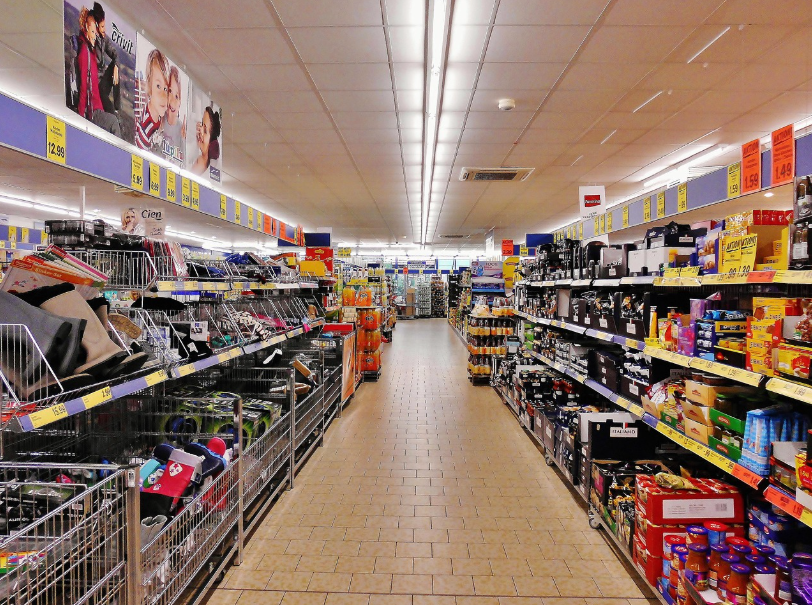
Merchandising operations are generally grouped into two primary structures based on how they interact with buyers. The first category involves companies that sell directly to individual consumers. These are retail entities, such as clothing outlets or grocery stores, where customers can physically or digitally browse and purchase goods for personal use.
The second category consists of wholesalers. These firms distribute products in bulk, usually to retailers or other intermediaries rather than to final consumers. Because wholesalers sell in large quantities, their pricing per unit is typically lower. Retailers, in turn, add a markup before offering the goods to the public, ensuring profitability across the supply chain.
While both categories rely on buying and reselling, their operational focus differs. Retailers prioritize customer experience, merchandising displays, and direct sales strategies. Wholesalers concentrate on logistics, supply consistency, and large-scale distribution efficiency.
Core Operational Activities
Regardless of size or classification, merchandising companies revolve around a set of fundamental activities that sustain their operations. These include procurement, sales, and the management of the operating cycle.
Procurement involves identifying suitable products, negotiating with suppliers, placing orders, and verifying received goods. In small businesses, this process may be straightforward, handled by a single owner or manager. In larger organizations, procurement becomes more structured, often involving dedicated departments, approval workflows, and supplier evaluation systems.
Sales represent the point at which goods are exchanged for revenue. This stage may involve physical storefront transactions, online checkouts, or wholesale agreements. The efficiency of the sales process directly influences cash flow and overall profitability.
Another essential concept is the operating cycle. This refers to the time span between purchasing inventory and converting it back into cash through sales. A shorter operating cycle generally indicates efficient inventory turnover, while a longer cycle may tie up capital and increase storage costs.
Together, these activities create a continuous loop: goods are purchased, stored, sold, and then replaced using the proceeds from sales.
Managing Inventory Effectively
Inventory represents one of the most significant assets for a merchandising company. Proper tracking and control are critical because unsold goods tie up capital, while insufficient stock can lead to lost sales opportunities.
Two widely used systems help businesses monitor inventory levels. The first is the periodic system, where stock counts are conducted at specific intervals such as monthly or quarterly. This approach is relatively simple and cost-effective but may lack real-time accuracy.
The second is the perpetual system, which continuously updates inventory records whenever a transaction occurs. Although more technologically demanding and expensive to implement, this system provides precise, up-to-date information that supports better decision-making.
The choice between these systems often depends on the scale of operations. Smaller businesses may prefer periodic tracking due to its simplicity, while larger firms benefit from the accuracy and responsiveness of perpetual systems.
Methods of Valuing Inventory
Beyond tracking quantities, merchandising companies must also determine how to assign value to their inventory. This valuation affects both financial reporting and profit calculations.
One common method is the first-in, first-out approach. Under this assumption, the earliest goods purchased are considered the first to be sold. This method aligns well with products that have expiration dates or are subject to spoilage, as it reflects a natural flow of goods.
Another method is last-in, first-out. Here, the most recently acquired items are assumed to be sold first. This approach can be useful in certain economic conditions, such as periods of rising prices, because it matches recent costs with current revenues.
Each method influences reported income differently, particularly when purchase prices fluctuate. Businesses select the approach that best reflects their operations and complies with applicable accounting standards.
Financial Structure of Merchandising Firms
Unlike service-based organizations, merchandising companies must account for the cost of the goods they sell. This introduces additional complexity into their financial statements, particularly the income statement.
A commonly used format is the multi-step income statement. This structure separates different components of income, allowing stakeholders to analyze performance more clearly. One of the most important figures derived from this statement is gross profit, which represents the difference between sales revenue and the cost of goods sold.
After calculating gross profit, operating expenses such as rent, salaries, and utilities are deducted to determine net income. Net income is often referred to as the bottom line because it indicates the company’s overall profitability after all costs have been considered.
Calculating Cost of Goods Sold
A key element in merchandising accounting is determining the cost of goods sold, often abbreviated as COGS. This figure represents the direct cost associated with the inventory that has been sold during a specific period.
To compute COGS, businesses begin with the value of inventory at the start of the period. They then add the cost of new purchases made during that time. Finally, they subtract the value of inventory remaining at the end of the period. The resulting figure reflects the cost of the goods that were actually sold.
This calculation is essential because it directly affects both gross profit and net income. An overstatement or understatement of COGS can significantly distort financial results, making accurate inventory tracking and valuation critical.
Determining Profitability
Once the cost of goods sold is established, the company can calculate its net income. This involves subtracting both COGS and operating expenses from total sales revenue.
The formula highlights an important principle: revenue alone does not represent profit. A business may generate high sales but still struggle financially if its costs are too high. By isolating different components of income, the multi-step income statement provides a clearer picture of financial health.
For example, a company might observe strong sales but declining gross profit, indicating rising inventory costs. Alternatively, stable gross profit paired with reduced net income could signal increasing operating expenses. These insights help managers make informed decisions about pricing, sourcing, and cost control.
The Strategic Role of Merchandising
Merchandising companies do more than simply move products from one place to another. They play a strategic role in shaping consumer access to goods. Through pricing strategies, product selection, and marketing techniques, they influence purchasing behavior and market trends.
Effective merchandising involves understanding customer preferences, forecasting demand, and optimizing product placement. Businesses must balance having enough stock to meet demand without overinvesting in inventory that may not sell.
Additionally, advancements in technology have transformed merchandising practices. Modern systems allow for real-time inventory tracking, data-driven demand forecasting, and automated supply chain management. These tools enhance efficiency and reduce the risks associated with manual processes.
Conclusion
Merchandising companies operate at the intersection of supply and demand, purchasing goods from producers and delivering them to buyers in a profitable manner. Their success depends on efficiently managing procurement, sales, inventory, and financial reporting.
From distinguishing between retail and wholesale operations to selecting appropriate inventory systems and valuation methods, each decision shapes the company’s performance. Financial measures such as cost of goods sold and net income provide essential insights into profitability and operational efficiency.
Although the concept of reselling goods may appear straightforward, the underlying processes require careful planning and execution. When managed effectively, merchandising businesses become vital components of the broader economic system, ensuring that products reach consumers in the right place, at the right time, and at the right price.