
Starting a business is often fueled by excitement, ambition, and the dream of financial independence. Many entrepreneurs begin with a strong belief in their ideas and the determination to succeed. However, the reality of running a small business is far more demanding than most people expect. Across industries and countries, thousands of businesses shut down every year because owners underestimate the challenges involved in building a sustainable company.
Success in business is rarely about luck alone. Companies that survive difficult economic conditions usually have strong planning, disciplined financial management, adaptable leadership, and a clear understanding of customer needs. On the other hand, businesses that fail often show warning signs long before they close their doors.
Understanding the most common causes of failure can help entrepreneurs avoid expensive mistakes and build stronger foundations for long-term growth.
Weak Cash Flow Management
One of the biggest reasons small businesses struggle is poor cash flow management. Many entrepreneurs focus heavily on profits while ignoring the timing of income and expenses. A business may appear successful on paper but still collapse because there is not enough cash available to cover operational costs.
Rent, salaries, inventory purchases, transportation, utilities, taxes, and loan repayments require consistent cash availability. When customers delay payments or sales suddenly decline, businesses with weak cash reserves quickly face pressure.
New business owners sometimes overspend during the early stages by renting expensive office spaces, buying unnecessary equipment, or investing heavily in branding before generating stable revenue. These decisions can drain resources before the company has established itself in the market.
Maintaining a lean budget during the first few years is often safer. Entrepreneurs should monitor expenses carefully, track daily transactions, and separate essential spending from luxury upgrades. Building emergency reserves can also protect a business during slow seasons or unexpected economic downturns.
Working with accountants or financial advisors can improve budgeting accuracy and help owners understand taxes, payroll obligations, and financial forecasting before problems become severe.

Launching Without Real Market Demand
Many businesses fail because they create products or services customers do not truly need. Passion alone is not enough to sustain a company if people are unwilling to pay for what is being offered.
Some entrepreneurs assume demand exists simply because family and friends praise the idea. Others enter overcrowded industries without identifying what makes their business different from competitors. As a result, sales remain weak despite aggressive promotions.
Before launching, business owners should study their target market carefully. This includes understanding customer pain points, purchasing habits, income levels, and preferences. Research also helps entrepreneurs identify gaps in the market and discover whether similar businesses are already struggling.
Testing ideas before full-scale launch can reduce risk significantly. Small pilot programs, surveys, online feedback, and trial products allow entrepreneurs to measure customer interest before committing major investments.
A strong business idea solves a real problem or fulfills a clear need. When businesses focus on genuine customer demand rather than assumptions, they improve their chances of survival.
Poor Planning and Lack of Direction
Many small businesses begin operations without a structured roadmap. While enthusiasm may drive the initial launch, lack of planning eventually creates confusion regarding finances, marketing, staffing, and expansion.
A business plan provides direction and helps owners make informed decisions. It outlines goals, operational strategies, projected expenses, revenue expectations, and growth opportunities. Without clear planning, businesses often react emotionally to problems instead of responding strategically.
Planning also helps entrepreneurs anticipate risks before they occur. For example, a restaurant owner may prepare for rising food costs, while an online retailer may create backup delivery arrangements during supply chain disruptions.
Businesses with long-term goals are generally more disciplined in decision-making because every action supports a larger strategy. Even a simple business plan can improve organization and accountability.
Entrepreneurs should review and update their plans regularly as market conditions evolve. Flexibility combined with strategic planning creates stability during uncertain periods.
Inexperienced or Ineffective Leadership
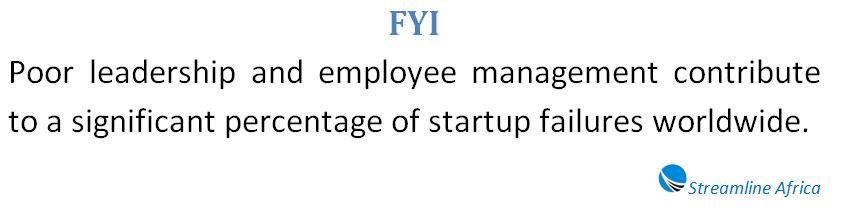
A person may be talented at creating products or offering services but still struggle with leadership responsibilities. Managing a business requires communication, organization, decision-making, conflict resolution, and strategic thinking.
Many founders attempt to control every aspect of the company themselves. While this approach may seem efficient initially, it often leads to exhaustion, poor decisions, and operational inefficiencies. Business owners who refuse to delegate usually become overwhelmed as the company grows.
Strong leadership involves building reliable systems and trusting capable people with responsibilities. Delegating accounting, customer service, operations, or marketing allows owners to focus on growth and long-term strategy.
Leadership also affects workplace culture. Employees perform better when management communicates clearly, provides support, and creates a positive working environment. Businesses with poor leadership often experience confusion, low morale, and declining productivity.
Continuous learning is essential for entrepreneurs. Leadership training, mentorship, networking, and professional development can help business owners improve their management skills over time.
Financial Mismanagement
Financial problems extend beyond cash flow issues. Some businesses fail because owners do not understand pricing, debt management, profit margins, or financial reporting.
For instance, pricing products too low may attract customers initially but leave little room for profit. On the other hand, excessively high prices can drive customers toward competitors. Poor financial decisions can slowly damage a business even when sales appear healthy.
Another common mistake involves mixing personal and business finances. Entrepreneurs who use company funds for personal expenses often lose track of profitability and create accounting confusion.
Business owners should maintain separate bank accounts, monitor financial statements consistently, and understand the difference between revenue and profit. Accurate recordkeeping helps identify weaknesses early and supports better decision-making.
Funding also plays a major role in business survival. Some entrepreneurs rely entirely on personal savings without securing backup financial support. Others take on excessive loans without realistic repayment strategies.
Choosing appropriate funding options based on the business stage is critical. Loans, partnerships, investors, grants, and crowdfunding each come with advantages and risks that must be evaluated carefully.
Ineffective Employee Management
Employees contribute significantly to a company’s reputation, productivity, and customer experience. Poor employee management can damage operations and increase staff turnover, which creates instability and additional hiring costs.
Businesses often fail to provide clear job expectations, proper training, or opportunities for growth. When employees feel undervalued or unsupported, motivation decreases. This can lead to poor customer service, internal conflicts, and declining performance.
Successful businesses usually invest in employee development and workplace culture. Proper onboarding helps new staff understand company expectations and adapt quickly. Open communication also encourages employees to share ideas and report challenges before they escalate.
Recognition plays an important role in staff retention. Employees who feel appreciated are generally more committed and productive. Even small gestures such as constructive feedback, incentives, or career development opportunities can improve morale.
Managers should also develop strong interpersonal skills. Respectful leadership encourages loyalty and strengthens teamwork, especially during stressful periods.
Weak Marketing Strategies
Even excellent products can fail if customers are unaware they exist. Many small businesses struggle because they underestimate the importance of marketing or rely on ineffective promotional methods.
Some entrepreneurs spend heavily on advertising without identifying their target audience. Others launch businesses with no clear branding, inconsistent messaging, or weak online presence. As a result, they fail to attract and retain customers.
Effective marketing begins with understanding customer behavior. Businesses should identify where their audience spends time, what problems they need solved, and which communication channels influence purchasing decisions.
Digital marketing has become especially important in today’s business environment. Social media, search engine optimization, email campaigns, and content marketing allow businesses to reach wider audiences at relatively low costs.
Tracking marketing performance is equally important. Businesses should analyze website visits, conversion rates, engagement levels, and customer feedback to determine what strategies are working.
Marketing should not only focus on attracting new customers but also on building long-term relationships with existing ones. Loyal customers often become repeat buyers and recommend businesses to others.
Resistance to Change
Markets constantly evolve due to technology, consumer preferences, economic conditions, and global trends. Businesses that refuse to adapt often become irrelevant over time.
Some entrepreneurs become too comfortable with outdated methods or assume past success guarantees future results. Unfortunately, customer expectations can change rapidly, especially in competitive industries.
Adaptability allows businesses to respond quickly to new opportunities and challenges. This may involve introducing new products, upgrading technology, improving customer service, or adjusting pricing strategies.
Businesses that pay attention to market trends are better positioned to remain competitive. Regular research and customer feedback help owners understand shifting demands before problems arise.
Innovation does not always require dramatic changes. Sometimes small improvements in packaging, delivery systems, communication, or service quality can significantly strengthen customer loyalty.
Flexible businesses are generally more resilient during economic uncertainty because they are prepared to adjust operations when necessary.
Poor Inventory Control
Inventory management is another overlooked factor that contributes to business failure. Overstocking ties up cash in unsold products, while understocking can frustrate customers and reduce sales opportunities.
Many businesses purchase excessive inventory based on unrealistic sales expectations. If products remain unsold for long periods, they may lose value, expire, or require heavy discounts to clear storage space.
On the other hand, insufficient inventory can damage customer trust. Frequent stock shortages create disappointment and encourage buyers to seek alternatives elsewhere.
Efficient inventory management requires careful forecasting and regular monitoring. Businesses should analyze sales patterns, seasonal demand, and supplier reliability before making purchasing decisions.
Technology can also simplify inventory tracking. Modern inventory systems help businesses monitor stock levels, identify fast-moving products, and reduce waste.
Balancing supply with demand improves cash flow, customer satisfaction, and operational efficiency.
Building a Business That Lasts
Running a successful small business requires far more than a good idea. Entrepreneurs must manage finances wisely, understand their market, build strong teams, and remain adaptable in changing conditions.
While business failure is common, many setbacks can be avoided through careful planning and disciplined decision-making. Owners who continuously learn, monitor performance, and respond proactively to challenges place themselves in a stronger position for long-term success.
Every business faces obstacles, but resilience, preparation, and strategic thinking often determine whether a company survives or disappears.
Important Highlights
Cash Flow Can Make or Break a Business
Many small businesses fail not because they lack customers, but because they run out of usable cash to manage daily operations and unexpected expenses.
A Great Idea Still Needs Market Demand
Passion alone is not enough. Businesses succeed when they solve real customer problems and meet actual market needs.
Planning Creates Stability
A well-structured business plan helps entrepreneurs stay focused, prepare for risks, and make smarter long-term decisions.
Leadership Matters More Than Talent
Being skilled at a product or service does not automatically make someone a strong business manager or leader.
Financial Discipline Is Essential
Separating personal and business finances helps owners understand profitability and avoid unnecessary financial confusion.
Employees Influence Business Growth
Motivated and respected employees contribute to better productivity, stronger customer experiences, and lower turnover rates.
Marketing Requires Strategy
Businesses need clear branding, audience targeting, and consistent promotion to attract and retain customers effectively.
Adaptability Helps Businesses Survive
Companies that embrace innovation and respond to changing market trends are more likely to remain competitive.
Inventory Management Affects Profitability
Too much stock ties up cash, while too little inventory can drive customers away and reduce trust in the business.
Long-Term Success Requires Continuous Learning
Entrepreneurs who improve their leadership, financial knowledge, and market awareness increase their chances of building sustainable businesses.