
In every successful business, money is constantly moving in and out. While sales and profits often receive the most attention, the ability to manage unpaid bills behind the scenes can determine whether a company stays financially stable or struggles with cash shortages. One of the most important parts of this process is accounts payable.
Accounts payable, often shortened to AP, represents the money a company owes suppliers for products or services already received but not yet paid for. Whether it is a retailer ordering inventory, a construction company purchasing materials, or a restaurant buying ingredients, nearly every business relies on accounts payable to keep operations running smoothly.
Understanding how accounts payable works helps business owners, managers, and investors evaluate financial health, improve cash flow, and maintain strong supplier relationships.
Understanding Accounts Payable
Accounts payable refers to outstanding obligations owed to vendors and service providers. These are typically short-term debts expected to be settled within a few weeks or months, commonly between 30 and 90 days.
When a company purchases goods on credit instead of paying immediately, the unpaid amount is recorded as accounts payable on the balance sheet under current liabilities. It reflects the company’s responsibility to make future payments.
For example, imagine a furniture manufacturer in Toronto ordering wood supplies from a local distributor with payment due in 45 days. Until the invoice is paid, the amount remains part of the company’s accounts payable balance.
Businesses use accounts payable systems to monitor invoices, payment schedules, supplier contracts, and due dates. Efficient management ensures that suppliers are paid on time while preserving enough working capital for everyday operations.
How Accounts Payable Is Calculated
Calculating accounts payable is relatively straightforward. The figure includes all unpaid supplier invoices and outstanding vendor bills at a specific point in time.
The basic formula is:
Accounts Payable = Total Outstanding Supplier Bills – Payments Already Made
Another way to express it is:
Accounts Payable = Credit Purchases + Pending Invoices – Settled Amounts
Only obligations related to suppliers and vendors are included in this figure. Other debts, such as bank loans or long-term financing, are recorded separately.
Most accounting departments organize accounts payable by categories such as:
- Vendor names
- Due dates
- Payment terms
- Invoice amounts
- Department expenses
This detailed tracking helps companies avoid missing deadlines and improves financial planning.
Example of an Accounts Payable Calculation
Consider a technology startup in Singapore that recently purchased equipment and services from several vendors. At the end of the month, the company has the following unpaid invoices:
- Office hardware invoice: $4,200
- Software licensing invoice: $2,800
- Internet infrastructure invoice: $1,500
To calculate accounts payable:
Accounts Payable = $4,200 + $2,800 + $1,500
Accounts Payable = $8,500
This means the startup currently owes suppliers and service providers a total of $8,500.
If the company later pays $3,000 toward these invoices, the remaining accounts payable balance would decrease accordingly.
Why Accounts Payable Matters
Accounts payable is far more than a bookkeeping entry. It directly influences a company’s liquidity, supplier trust, and operational efficiency.
Businesses that manage accounts payable carefully are often better positioned to survive economic uncertainty and expand sustainably.
Supports Healthy Cash Flow
One of the main goals of accounts payable management is balancing outgoing payments with incoming revenue.
Paying invoices too quickly may leave a business short on operating cash, while delaying payments excessively can damage vendor relationships. Effective AP management allows companies to preserve cash without falling behind on obligations.
For example, a fashion retailer preparing for seasonal demand may strategically delay certain supplier payments while prioritizing payroll and inventory replenishment.
Builds Strong Supplier Relationships
Suppliers value reliability. Businesses that consistently pay invoices on time often gain access to better pricing, favorable terms, and priority service.
A wholesale food distributor in Madrid, for instance, may offer flexible payment terms to restaurant clients with a strong payment history.
Trust between buyers and suppliers becomes especially important during supply chain disruptions or economic downturns.
Improves Financial Reputation
Lenders and investors often examine accounts payable practices when evaluating a company’s financial discipline.
A business with repeated late payments may appear financially unstable, making it harder to secure loans or attract investors.
On the other hand, businesses that manage liabilities responsibly often strengthen their credibility and borrowing potential.
Enhances Budgeting and Forecasting
Monitoring accounts payable gives management insight into upcoming cash obligations.
By understanding future payment schedules, businesses can plan spending more effectively, prepare for seasonal fluctuations, and avoid unnecessary borrowing.
This visibility becomes particularly useful for industries with variable revenue cycles, such as tourism, agriculture, or retail.
Prevents Operational Disruptions
Poor accounts payable management can lead to unpaid suppliers refusing future deliveries or services.
A manufacturing company dependent on imported raw materials may experience production delays if supplier invoices remain unpaid for extended periods.
Organized AP systems reduce the likelihood of missed invoices, penalties, and interruptions to business operations.
How to Interpret Accounts Payable
Interpreting accounts payable requires looking beyond the number itself. The context surrounding the balance often matters more than the amount alone.
High Accounts Payable Balance
A large accounts payable balance may indicate that a company is heavily relying on supplier credit to fund operations.
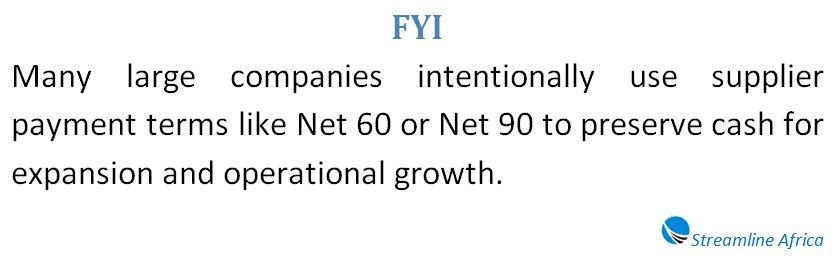
In some cases, this is completely normal, especially for growing businesses managing expansion costs. Large retailers and manufacturers often carry significant AP balances because of ongoing inventory purchases.
However, an unusually high balance may also suggest cash flow difficulties or delayed payments caused by financial stress.
Low Accounts Payable Balance
A low AP balance can mean the company pays suppliers quickly and maintains strong liquidity.
While this may appear positive, paying too early can sometimes reduce flexibility. Businesses may miss opportunities to use supplier credit strategically or benefit from available payment terms.
The ideal approach often depends on industry standards and the company’s financial strategy.
Evaluating Payment Patterns
Consistent monitoring of payment trends helps reveal whether a business is financially disciplined.
Questions analysts often consider include:
- Are supplier balances increasing rapidly?
- Is the company delaying payments more frequently?
- Are payment terms improving or worsening?
- How does the company compare to competitors?
A growing AP balance alongside declining revenue may signal financial strain, while rising AP during rapid expansion could simply reflect business growth.
What Makes Accounts Payable Healthy?
There is no universal “perfect” accounts payable figure. Healthy accounts payable depends on the company’s size, industry, and financial goals.
Still, several characteristics usually indicate effective AP management.
Timely Invoice Payments
Businesses that consistently meet payment deadlines avoid late penalties and maintain supplier confidence.
Timely payments also reduce the risk of supply interruptions or legal disputes.
Balanced Cash Management
Healthy AP practices strike a balance between preserving cash and honoring financial obligations.
Companies should maintain enough liquidity to support operations while using payment terms efficiently.
Favorable Supplier Agreements
Strong companies often negotiate payment terms that support business growth without harming vendor relationships.
For example, a logistics company in Dubai may negotiate 60-day payment terms during periods of fleet expansion.
Growth Aligned With Business Activity
Accounts payable should generally grow alongside sales, inventory needs, or operational expansion.
If liabilities increase much faster than revenue, it may indicate poor financial management or weakening liquidity.
Alignment With Industry Standards
Comparing AP balances with competitors helps determine whether a company’s practices are reasonable.
Industries with long production cycles, such as construction or manufacturing, often maintain larger AP balances than service-based businesses.
Limitations of Accounts Payable
Although accounts payable is an important financial metric, it does not provide a complete picture of a company’s financial condition.
Excludes Long-Term Debt
Accounts payable focuses only on short-term supplier obligations.
It does not account for mortgages, corporate loans, lease commitments, or other long-term liabilities that may significantly impact financial stability.
Influenced by Payment Terms
Supplier agreements vary widely between industries and businesses.
A company with extended payment terms may appear to have a high AP balance even if it is financially healthy.
Does Not Reflect Full Cash Flow
Accounts payable only shows outstanding obligations at a specific moment.
It does not reveal how much cash the business generates, how quickly customers pay invoices, or whether financing activities are affecting liquidity.
Timing Can Distort Results
Businesses sometimes delay or accelerate payments around reporting dates, temporarily altering AP balances.
This can make financial statements appear stronger or weaker than they truly are.
Potential for Mismanagement
Without proper oversight, accounts payable systems can become disorganized, leading to duplicate payments, missed invoices, or fraud risks.
Automation and regular reconciliations help reduce these problems.
Improving Accounts Payable Processes
Modern businesses increasingly rely on digital accounting systems to streamline accounts payable operations.
Automation tools can:
- Track invoices electronically
- Schedule payments automatically
- Send approval notifications
- Detect duplicate invoices
- Improve reporting accuracy
A healthcare company in Melbourne, for example, may process thousands of invoices monthly. Automated AP software reduces administrative workload while minimizing human error.
Regular vendor communication, clear approval procedures, and consistent reconciliation practices also strengthen AP efficiency.
Frequently Asked Questions About Accounts Payable
Is accounts payable considered an asset or liability?
Accounts payable is classified as a current liability because it represents money owed to suppliers and vendors.
How does accounts payable affect cash flow?
Paying invoices reduces available cash. Proper management helps businesses maintain liquidity while meeting financial obligations.
What are common payment terms in accounts payable?
Typical terms include Net 30, Net 60, and early-payment discount arrangements such as 2/10 Net 30.
Can accounts payable impact creditworthiness?
Yes. Businesses that regularly miss payment deadlines may damage supplier trust and weaken their ability to secure financing.
What is the difference between accounts payable and accounts receivable?
Accounts payable represents money a business owes others, while accounts receivable refers to money customers owe the business.
Why do businesses monitor accounts payable closely?
Careful monitoring helps companies avoid penalties, manage cash flow effectively, and maintain stable supplier relationships.