

Every organization exists to achieve specific objectives, whether those goals involve increasing profits, expanding market share, improving customer satisfaction, or creating social impact. Organizational performance refers to how effectively a company achieves these objectives while utilizing its available resources efficiently.
Strong organizational performance is not simply about generating revenue. It reflects the overall health of a business, including how well employees perform, how efficiently processes operate, and how successfully the company adapts to changing market conditions. Organizations that consistently evaluate and improve their performance are often better positioned to grow, remain competitive, and navigate uncertainty.
Performance serves as a valuable indicator for decision-making. It helps leaders determine where to invest resources, identify operational weaknesses, and assess whether strategic initiatives are producing the desired results.
Key Areas Used to Evaluate Performance
Organizations commonly assess performance through several interconnected dimensions.
Financial outcomes remain one of the most widely used indicators. Metrics such as profitability, revenue growth, return on investment, and cash flow provide insight into whether the organization is creating sustainable value.
Operational effectiveness focuses on how efficiently a company conducts its daily activities. This includes evaluating workflows, productivity levels, resource utilization, and cost management. A business may generate strong revenue, but poor operational efficiency can reduce overall success.
Investor-related performance is another consideration for organizations with shareholders. This area examines how effectively the company increases shareholder value over time. While investor returns are important, an excessive focus on short-term gains can sometimes divert attention from long-term organizational health.
Together, these measures provide a broader picture of how well a company is functioning and whether it is positioned for future success.
Looking Beyond Traditional Metrics
Although financial and operational indicators are important, they do not always tell the entire story. Many organizations benefit from evaluating broader measures that reveal long-term sustainability.
One important consideration is organizational growth and resilience. Companies must continually adapt to changing customer expectations, emerging technologies, and shifting market conditions. The ability to evolve often determines whether an organization thrives or struggles in the future.
Another critical element is alignment with the external environment. Organizations that successfully balance internal capabilities with external demands tend to perform better. This balance is often reflected in strong productivity, employee satisfaction, efficient operations, and lower turnover rates.
Relevance also plays a major role in organizational success. Businesses must remain valuable to the people who matter most, including customers, employees, and investors. When organizations consistently meet stakeholder expectations, they strengthen loyalty, trust, and long-term support.
Measuring Performance Across Different Organizational Levels
Performance assessment becomes more meaningful when it occurs at multiple levels throughout the organization. Evaluating individual employees, teams, and the organization as a whole creates a comprehensive understanding of performance.
Employee Performance
Individual employees contribute directly to organizational outcomes. Assessing their effectiveness helps identify strengths, development needs, and opportunities for improvement.
Task execution is one area of focus. This measures how effectively employees complete responsibilities associated with their roles. Consistent delivery of quality work remains a fundamental indicator of performance.
Adaptability is another valuable measure. Modern workplaces change rapidly, requiring employees to learn new skills, embrace innovation, and adjust to evolving priorities.
Organizations also benefit from assessing contributions beyond formal job requirements. Employees who demonstrate initiative, support colleagues, and contribute new ideas often add substantial value to the business.
At the same time, organizations should monitor behaviors that negatively affect productivity, such as excessive absenteeism, poor engagement, or repeated lateness. Addressing these issues early can prevent broader performance challenges.

Team Performance
Most business goals require collaboration rather than individual effort alone. As a result, team performance is a critical component of organizational success.
Evaluating teams involves examining how effectively members work together, solve problems, communicate, and achieve shared objectives. Team assessments can be particularly useful during project completion, training programs, leadership development initiatives, or strategic reviews.
Strong teams often demonstrate high levels of trust, accountability, and cooperation. These characteristics enable them to achieve better outcomes while supporting organizational priorities.
Organizational Performance
At the highest level, organizations must evaluate whether their overall systems, culture, and strategies are producing desired results.
Employee feedback provides valuable insights into organizational effectiveness. Surveys, engagement assessments, and workplace satisfaction evaluations can reveal how employees perceive leadership, communication, and workplace culture.
Organizations that actively listen to employees often gain a clearer understanding of underlying challenges and opportunities for improvement.
Factors That Influence Organizational Performance
Numerous internal and external factors can affect how well an organization performs. Understanding these influences helps leaders address obstacles before they become major problems.
Leadership and Workplace Relationships
The relationship between managers and employees significantly impacts organizational outcomes. Effective leaders provide guidance, support development, and create an environment where employees feel valued.
Poor leadership practices, including excessive control or lack of trust, can reduce morale and limit productivity. Employees who feel empowered and supported are generally more motivated to contribute their best efforts.
Strong leadership also encourages open communication, collaboration, and accountability, all of which contribute to improved performance.
Career Development Opportunities
Employees are more likely to remain engaged when they see opportunities for professional growth. Organizations that invest in employee development often experience higher retention rates and stronger workforce performance.
Career advancement pathways, skill-building programs, mentoring initiatives, and learning opportunities help employees expand their capabilities while increasing their commitment to the organization.
When individuals believe their employer is invested in their future, they are more likely to contribute positively to organizational goals.
External Conditions
Organizations operate within broader environments that can influence performance regardless of internal efforts.
Economic fluctuations may affect consumer spending and investment activity. Political developments can introduce regulatory changes or market uncertainty. Industry disruptions, technological advancements, and competitive pressures can also reshape business landscapes.
The rise of artificial intelligence, for example, has created both opportunities and challenges across many industries. Organizations that adapt quickly to such changes often maintain stronger performance than those that resist transformation.
Strategies for Improving Organizational Performance
Improving performance requires deliberate action and continuous evaluation. Organizations that commit to ongoing improvement are better equipped to achieve sustainable success.
Strengthen Leadership Capabilities
Developing effective leaders should be a top priority. Managers influence employee engagement, productivity, and workplace culture more than almost any other factor.
Leadership development programs can help managers improve communication, coaching, decision-making, and conflict-resolution skills. Strong leaders create environments where employees understand expectations and feel motivated to achieve them.
Establish Clear Goals
Performance improvement begins with clarity. Employees and teams need to understand what success looks like and how their work contributes to broader organizational objectives.
Organizations should establish measurable goals, communicate them clearly, and regularly review progress. Transparency helps employees connect their daily responsibilities to the company’s overall mission and strategy.
Support Employee Well-Being
Workplace well-being directly affects performance. Employees who feel physically, mentally, and emotionally supported are often more productive and engaged.
Organizations can promote well-being through wellness initiatives, mental health resources, flexible work arrangements, recognition programs, and supportive workplace policies.
Creating a positive employee experience contributes not only to productivity but also to retention and organizational loyalty.
Celebrate Contributions and Achievements
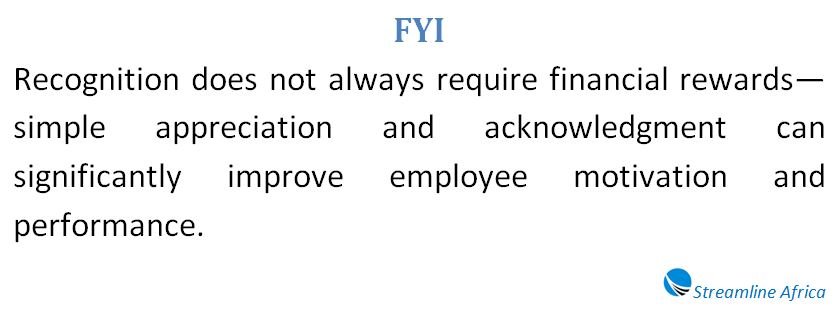
Recognition remains one of the most effective ways to reinforce positive performance. Employees appreciate acknowledgment for their efforts, whether through formal reward programs or simple expressions of appreciation.
Recognition helps strengthen morale, encourages continued excellence, and reinforces desired behaviors throughout the organization.
Even organizations with limited budgets can create meaningful recognition experiences by consistently celebrating achievements and milestones.
Creating an Effective Performance Management System
A structured performance management process helps organizations maintain focus and continuously improve results. Rather than relying solely on annual evaluations, performance management should be an ongoing cycle.
The process begins with planning. Leaders establish objectives, define expectations, and align employee goals with organizational priorities. Clear planning creates direction and accountability.
The next stage involves monitoring and evaluation. Organizations track progress using performance indicators, employee feedback, surveys, meetings, and other assessment tools. Regular reviews help identify successes and emerging challenges.
Finally, organizations implement improvements based on the information gathered. This may involve employee coaching, process redesign, leadership development, or broader organizational changes.
When performance management becomes a continuous practice rather than a periodic event, organizations can respond more effectively to challenges and seize new opportunities.
Conclusion
Organizational performance represents far more than financial success. It reflects how effectively a company aligns its people, processes, leadership, and strategy to achieve meaningful results. By measuring performance at every level, addressing influential factors, investing in employee development, and maintaining a culture of continuous improvement, organizations can strengthen their competitiveness and build a foundation for long-term growth and success.
Key Points to Note
Organizational Performance Goes Beyond Profits
A company’s success is not measured only by revenue but also by how effectively it achieves its goals and utilizes resources.
Financial Health Is Only One Piece of the Puzzle
Strong financial results are important, but operational efficiency and stakeholder satisfaction also matter.
Adaptability Drives Long-Term Success
Organizations that can adjust to changing market conditions and customer needs are more likely to thrive.
Employee Performance Shapes Organizational Outcomes
Individual contributions directly influence overall business results and organizational effectiveness.
Teams Are Essential for Achieving Goals
High-performing teams improve collaboration, problem-solving, and productivity across the organization.
Stakeholder Relevance Matters
Businesses must remain valuable to customers, employees, and investors to sustain growth and credibility.
Leadership Has a Significant Impact
Effective managers inspire engagement, trust, and accountability, which lead to stronger performance.
Employee Development Supports Growth
Providing learning and career advancement opportunities increases employee satisfaction and retention.
Workplace Culture Influences Productivity
A positive environment encourages employees to perform at their best and remain committed to organizational goals.
Clear Goals Improve Focus
Employees perform better when they understand expectations and see how their work contributes to company success.
Recognition Encourages Better Performance
Acknowledging achievements boosts morale, motivation, and overall employee engagement.
Continuous Performance Management Is Critical
Regular planning, evaluation, and improvement help organizations stay aligned with their objectives and maintain growth.