

Senegal remains one of West Africa’s more established investment destinations, supported by its Atlantic location, diversified economy, and role as a regional commercial gateway. From an investor perspective, the country combines medium-term growth potential with structural and operational risks that require disciplined market entry planning.
The economy benefits from activity across agriculture, fisheries, tourism, construction, mining, logistics, telecommunications, financial services, and infrastructure. Dakar’s port and regional transport connections strengthen Senegal’s value as a distribution and export platform. The country also benefits from an educated professional class and longstanding engagement with international partners.
Despite these advantages, development outcomes remain uneven. Foreign assistance continues to support poverty reduction and public investment. Significant state participation in the economy can also restrict competition, delay decisions, and increase the importance of government relations. Investors should therefore assess market demand alongside the regulatory, institutional, and political factors affecting project execution.
Read Also: The Gambia Investment Guide: Business Opportunities, Market Risks and Growth Sectors
Political and Institutional Risk Assessment
Senegal has traditionally been regarded as one of the region’s more stable democratic systems. However, the tensions surrounding the 2024 electoral transition showed that this reputation should not be interpreted as an absence of risk. Election postponement, opposition arrests, restrictions on demonstrations, and concerns regarding media freedom created uncertainty for businesses in major urban centres.
Although the transfer of power was peaceful, investors should continue monitoring judicial independence, electoral governance, public-sector accountability, and regulatory consistency. Political tensions may result in demonstrations, transport interruptions, and temporary closures.
Companies entering the market should maintain crisis-response procedures, political-risk monitoring, and appropriate insurance coverage. Engagement with local legal advisers, industry associations, and public institutions can also help businesses anticipate policy changes effectively.
Sector Opportunities and Commercial Potential
Senegal’s services sector is expected to remain a central source of growth. Opportunities are visible in banking, telecommunications, digital services, professional advisory work, transport, hospitality, healthcare, education, and urban consumer markets. Urbanisation is likely to sustain demand for modern services over time.
Tourism also remains commercially significant. Senegal’s coastline, cultural attractions, hospitality infrastructure, and international air connections provide a foundation for investment in hotels, travel services, and leisure facilities. Operators should nevertheless consider seasonal demand, infrastructure quality outside Dakar, and tourism’s sensitivity to political or security developments.
Agriculture and fisheries remain major employers and important sources of export earnings. Groundnuts and fish products continue to play prominent economic roles. Opportunities exist in food processing, cold storage, packaging, aquaculture, agricultural technology, logistics, and export certification.
Trade and transport present further prospects. Senegal’s port infrastructure and regional connections support freight forwarding, warehousing, customs services, distribution, and cross-border commerce. Companies that improve supply-chain reliability may find strong demand.
Energy, Labour, and Development Constraints
Energy costs remain a material concern. Dependence on imported energy exposes the economy to international price volatility and foreign-exchange pressures. Although Senegal is expanding domestic production and electricity access, businesses should still evaluate backup power requirements, tariff exposure, and supply reliability when preparing financial models.
Human capital conditions also require attention. Senegal faces high unemployment, literacy gaps, and unequal access to training. While the country has a capable pool of graduates and professionals, specialised technical skills may be limited in some sectors. Investors may need internal training programmes, partnerships with educational institutions, or structured workforce development plans.
Companies with international environmental, social, and governance obligations should also monitor human rights concerns. The treatment of sexual minorities, the use of security legislation, and restrictions on civic freedoms may create reputational and compliance risks.
Establishing and Operating a Business
Foreign investors are generally permitted to own and operate businesses under conditions broadly comparable to those applying to domestic investors. Nevertheless, licensing, taxation, regulatory approvals, and sector-specific requirements should be reviewed before capital is committed.
Land acquisition is often complex. Titled land is more common in urban areas, while untitled land and customary tenure systems are prevalent in rural communities. Ownership verification, community rights, land-use approvals, and documentation should be examined through qualified legal and technical advisers.
Senegal’s 2025 Investment Code introduced a more modern framework for incentives and administrative procedures. Qualifying investors may receive temporary customs exemptions, tax relief, and other concessions. However, their practical value depends on current regulations, eligibility conditions, and administrative interpretation. Investors should obtain updated guidance from APIX, the Ministry of Finance, and relevant sector authorities.
Business Culture and Market Entry Guidance
French is the principal language of administration and formal business, while Wolof is widely used in commercial and social interactions. Non-Francophone companies should consider bilingual management support, interpreters, or local representatives.
Business relationships are often strengthened through trust, consistency, and personal engagement. Investors should allow sufficient time for negotiations, approvals, and stakeholder consultation. Respect for Senegal’s predominantly Muslim culture is important, particularly regarding dress, public behaviour, and religious observances.
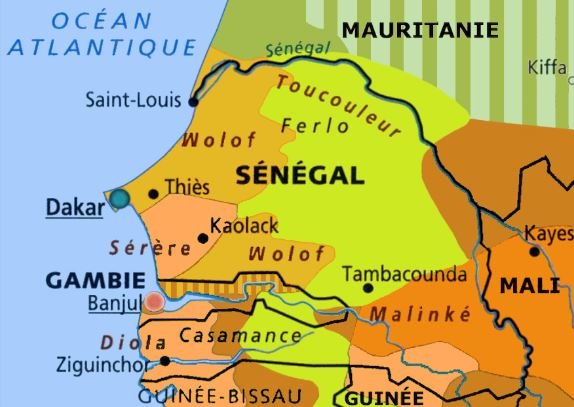
International travellers should confirm current entry and health requirements, including yellow fever vaccination rules, and review security advice before travel to the Casamance region.
Overall, Senegal offers credible long-term opportunities in services, tourism, agriculture, logistics, energy, and consumer markets. Successful investment will depend on regulatory due diligence, strong local partnerships, realistic risk planning, and a clear understanding of the operating environment.

Frequently Asked Questions about Investment Opportunities in Senegal
Why is Senegal attractive to foreign investors?
Senegal offers political continuity, regional market access, improving infrastructure, and opportunities across services, tourism, agriculture, logistics, energy, and consumer industries.
Which sectors present the strongest investment potential?
Promising sectors include financial services, telecommunications, tourism, food processing, fisheries, logistics, healthcare, education, renewable energy, construction, and digital technology.
How important is Dakar to Senegal’s economy?
Dakar is the country’s main commercial, administrative, and logistics centre. Its port, transport links, institutions, and consumer market make it the preferred location for many investors.
Is Senegal politically stable?
Senegal remains relatively stable by regional standards. However, recent electoral tensions show that businesses should still monitor demonstrations, policy changes, institutional developments, and regulatory uncertainty.
What political risks should investors consider?
Key risks include public protests, transport disruptions, regulatory changes, concerns over judicial independence, restrictions on civic freedoms, and inconsistent implementation of government policies.
What opportunities exist in agriculture and fisheries?
Investors can explore food processing, groundnut production, aquaculture, cold storage, packaging, agricultural technology, export certification, and modern supply-chain services.
Why is logistics a promising sector?
Senegal’s Atlantic coastline, Port of Dakar, and regional trade connections create demand for warehousing, freight forwarding, distribution, customs support, and cross-border transportation.
What challenges affect Senegal’s energy sector?
Businesses may face high electricity costs, dependence on imported energy, international price volatility, and occasional supply limitations. Backup power planning may therefore be necessary.
Can foreign investors fully own businesses in Senegal?
Foreign investors are generally allowed to establish and own businesses. However, licensing, taxation, regulatory approvals, and sector-specific restrictions should be reviewed before investing.
Why can land acquisition be complicated?
Urban land is more likely to have formal titles, while rural land may be governed by customary arrangements. Investors must verify ownership, community rights, and land-use approvals carefully.
What business incentives are available?
Eligible investors may benefit from tax relief, customs-duty exemptions, and other concessions under Senegal’s investment framework. The exact benefits depend on sector, location, project size, and eligibility.
What is essential for successful market entry?
Success requires strong local partnerships, regulatory due diligence, bilingual support, realistic financial planning, cultural awareness, political-risk monitoring, and sustained stakeholder engagement.