
Côte d’Ivoire has consolidated its position as one of West Africa’s most dynamic economies. Its appeal to investors is supported by sustained economic expansion, a large consumer market, improving infrastructure, and a policy environment that encourages private-sector participation. Abidjan also serves as an important regional centre for finance, logistics, professional services, and multinational operations. This creates a comparatively broad platform for investors seeking regional expansion and diversification.
The economy recorded real GDP growth of more than 8 percent between 2012 and 2019, placing Côte d’Ivoire among the strongest-performing markets in Sub-Saharan Africa. The country demonstrated resilience during the COVID-19 disruption by maintaining positive growth in 2020 and 2021. Economic growth was projected at approximately 6.4 percent in 2025.
This performance reflects public investment, agricultural exports, infrastructure development, and reforms aimed at improving the investment climate. However, investors should assess the country’s growth trajectory carefully.
Agriculture and Export-Led Opportunities
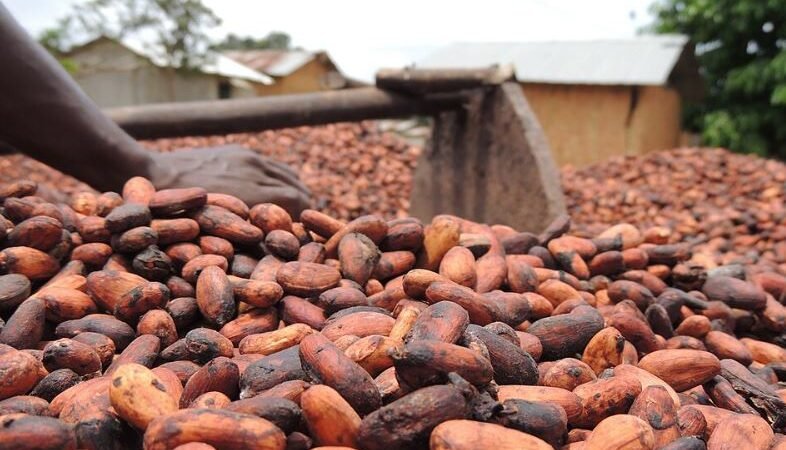
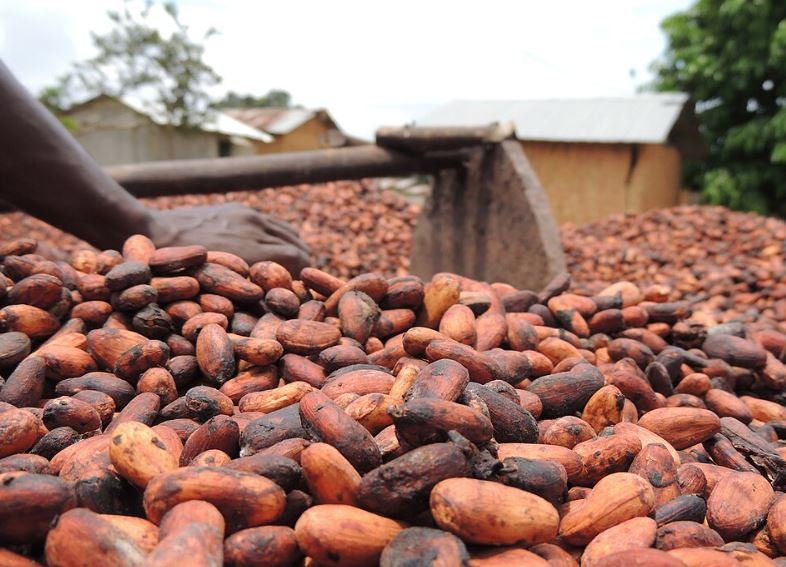
Agriculture remains a central pillar of the Ivorian economy. Côte d’Ivoire is the world’s leading producer of cocoa and one of the largest producers of cashew nuts. These sectors generate export revenue, support rural employment, and provide opportunities across the agricultural value chain.
Investment prospects extend beyond primary production. Commercial opportunities are concentrated in processing, storage, packaging, transport, quality assurance, and export logistics. Greater local transformation of cocoa and cashew products could enable companies to capture value, support industrial development, and reduce dependence on raw commodity exports.
Investors should nevertheless recognise the sector’s exposure to international price volatility, climate disruption, and supply-chain risks. Effective market participation requires strong farmer networks, transparent procurement systems, traceability controls, and sustainability programmes. Businesses linked to cocoa production must address child labour concerns through supplier audits, community engagement, and verifiable responsible-sourcing standards.
Diversification Across High-Growth Sectors
Côte d’Ivoire’s investment proposition is no longer limited to agriculture. Growth in telecommunications, financial services, construction, energy, logistics, retail, and professional services is contributing to a broader economic base.
The information and communications technology sector is attractive. Rising mobile penetration, increased adoption of digital payments, and demand for business technology solutions are creating opportunities in fintech, e-commerce, cloud services, cybersecurity, digital education, and health technology.
Rapid urbanisation is increasing demand for housing, transport, waste management, electricity distribution, water infrastructure, and industrial facilities. Companies able to combine technical expertise, affordable delivery models, and strong local partnerships may find significant opportunities.
Investment Entry and Regulatory Framework
Foreign investors may establish private limited companies, public limited companies, branch offices, or representative offices. The appropriate legal structure depends on the intended activity, ownership arrangement, tax exposure, capital requirements, and expected operating period.
The Centre de Promotion des Investissements en Côte d’Ivoire, known as CEPICI, serves as the principal investment facilitation agency. It supports investors with company registration, administrative procedures, approvals, and engagement with government institutions. Expanded digital registration services have improved entry processes.
The government has introduced measures to support startups and investment in priority sectors. Incentives may vary according to investment size, sector, and geographic location.
Land access requires careful due diligence. Foreign investors cannot acquire land directly but may obtain rights through leasehold arrangements. Legal verification is important in rural areas, where records and customary claims may overlap.
Tax Considerations and Incentives
Côte d’Ivoire provides incentives to encourage business formation and capital investment. New companies may benefit from minimum-tax exemptions during their first financial year. Expenditure on plant, machinery, and equipment may qualify for capital allowances of up to 40 percent.
Natural-resource companies may receive minimum-tax relief during exploration. However, incentive availability depends on legal structure, sector, location, and regulatory compliance. Independent tax and legal advice should form part of market entry.
Key Risks for Investors
Côte d’Ivoire’s growth outlook remains positive, but risks persist. Heavy reliance on agricultural exports leaves the economy vulnerable to changes in global commodity prices. Rural and remote communities have participated less fully in national growth, limiting purchasing power and creating regional disparities.
Political developments require continued monitoring. Tensions associated with the 2025 presidential election revived concerns about political exclusion, public unrest, and institutional stability. Investors should maintain political-risk assessments, stakeholder mapping, and business-continuity plans.
Reputational risk is important, particularly in agricultural supply chains. Companies must ensure that growth is supported by labour, environmental, and governance practices.
Commercial Culture and Operating Practicalities
French is the principal language of government, regulation, and business. Foreign companies should maintain French-language capability through local management, advisers, or bilingual employees.
Business relationships are often influenced by trust, personal credibility, and consistent engagement. Investors should allow sufficient time for relationship development and administrative follow-up.
August is treated as a holiday period, and many organisations operate with reduced capacity. Transaction timelines, approvals, and project launches should be planned accordingly.
Overall, Côte d’Ivoire presents a regional investment case. Its growth record, agricultural scale, expanding services sector, and infrastructure needs provide substantial opportunity. Sustainable success will depend on disciplined market entry, regulatory diligence, responsible sourcing, and informed management of political and operational risk.
FAQs
Why is Côte d’Ivoire attractive to foreign investors?
Côte d’Ivoire combines strong economic growth, improving infrastructure, a sizeable consumer market, and access to wider West African markets. Abidjan’s role as a regional commercial and financial centre further strengthens the country’s investment appeal.
Which sectors offer the strongest opportunities?
Agriculture, agro-processing, information technology, financial services, logistics, construction, energy, retail, and infrastructure offer promising opportunities. Investors may find particularly strong potential in businesses that add value to locally produced commodities.
Why does agriculture remain important to the economy?
Agriculture supports employment, rural livelihoods, export earnings, and government revenue. Cocoa and cashew production are especially important, creating opportunities in farming, processing, storage, packaging, transportation, quality control, and export services.
What opportunities exist beyond cocoa and cashews?
The expanding digital economy is creating demand for fintech, e-commerce, cloud services, cybersecurity, digital education, and health technology. Urban growth is also increasing demand for housing, transport, electricity, water, and waste-management solutions.
How can foreign investors establish a business?
Foreign investors may operate through private limited companies, public limited companies, branch offices, or representative offices. The appropriate structure depends on ownership plans, tax considerations, capital requirements, and the intended duration of operations.
What support does CEPICI provide?
CEPICI assists investors with company registration, administrative procedures, permits, approvals, and engagement with relevant government agencies. Its investment facilitation services can help businesses navigate the market-entry process more efficiently.
Are tax incentives available to investors?
Eligible businesses may benefit from minimum-tax exemptions, capital allowances on machinery and equipment, and sector-specific incentives. The exact benefits depend on the company’s activities, location, investment value, and compliance with applicable regulations.
What are the main investment risks?
Key risks include commodity-price volatility, political uncertainty, regional inequality, climate-related disruption, regulatory complexity, and reputational concerns within agricultural supply chains. Investors should prepare risk-management and business-continuity plans before entering the market.
Why is responsible sourcing especially important?
Cocoa supply chains have faced persistent scrutiny over child labour and working conditions. Companies must introduce traceability systems, supplier monitoring, community programmes, labour safeguards, and transparent reporting to protect both communities and corporate reputations.
What cultural factors should foreign companies understand?
French is the main language of business and government administration. Commercial relationships are built through trust, credibility, personal engagement, and regular follow-up. Investors should also expect slower business and administrative activity during the August holiday period.