
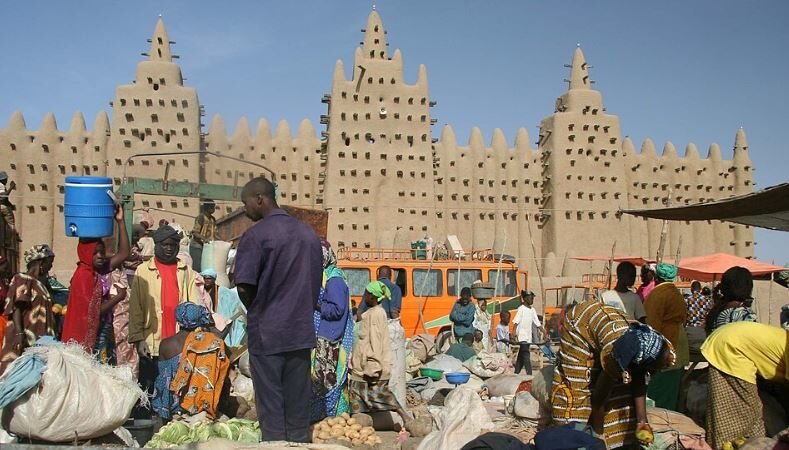
Mali presents a complex operating environment characterised by significant natural resource potential, structural economic constraints, political uncertainty and elevated security risk. The country’s commercial outlook is closely linked to its geographic and social divisions. Northern Mali is largely arid and dependent on pastoral and nomadic livelihoods, while the more fertile southern regions support the majority of the population and agricultural production.
This geographic imbalance has important implications for infrastructure development, market access, labour availability and business continuity. Northern areas remain particularly exposed to insecurity, limited state presence and disrupted trade routes. By contrast, southern Mali offers stronger prospects for agriculture, processing and consumer-oriented activity, although businesses must still contend with weak infrastructure and regulatory uncertainty.
Political developments have further complicated the investment climate. Military rule, deteriorating relations with regional institutions and Mali’s withdrawal from the Economic Community of West African States have reduced the country’s diplomatic and commercial integration. In 2025, the transitional authorities dissolved political parties and suspended electoral preparations, consolidating military control under Assimi Goïta. These actions have heightened concerns regarding institutional stability, policy continuity, judicial independence and the long-term direction of governance.
Despite these pressures, Mali retains commercially relevant assets. Its mineral reserves, agricultural land, strategic location and unmet demand for essential services create opportunities for investors with a high risk tolerance, strong local partnerships and robust operational safeguards.
Macroeconomic Structure and Development Constraints
Mali’s economy remains concentrated in agriculture, mining and informal commerce. A large proportion of the population depends on subsistence farming, livestock production and small-scale trading activities. This economic structure exposes households and businesses to fluctuations in rainfall, commodity prices, transport conditions and regional trade flows.
Climate change is becoming an increasingly important investment consideration. Rising temperatures, irregular rainfall and pressure on water resources are affecting agricultural productivity and pastoral livelihoods. These challenges are compounded by rapid population growth, which is increasing demand for employment, food, housing, healthcare, education and basic infrastructure.
Food insecurity remains a major national concern, while poverty levels have risen since 2020. Weak household purchasing power constrains consumer demand and increases the sensitivity of the market to price changes. At the same time, these conditions highlight substantial investment gaps in irrigation, food production, storage, rural logistics, renewable energy, affordable finance and essential public services.
The broader business environment is constrained by limited infrastructure, administrative inefficiency and low levels of economic freedom. Investors should therefore assess projects using conservative assumptions regarding energy reliability, transport costs, regulatory delays, taxation and access to skilled labour.
Mining Sector Opportunities
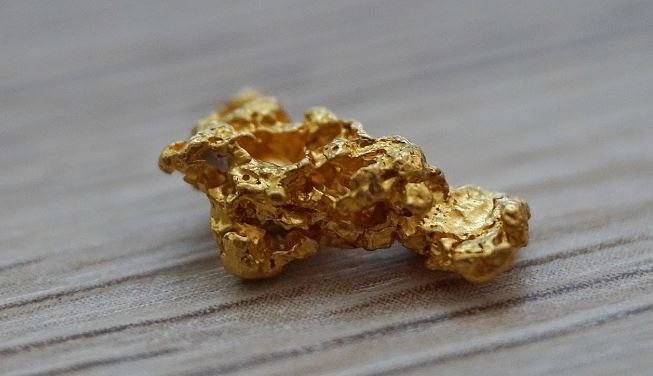
Mining remains Mali’s most important source of foreign exchange and one of the country’s principal attractions for international investors. Gold accounts for more than 70 percent of export earnings and continues to dominate the extractive sector. Existing production capacity and further exploration potential provide a basis for continued investment, although the sector is exposed to policy changes, community tensions, security disruption and regulatory intervention.
Mali also holds deposits of lithium, uranium, diamonds, copper, iron ore, zinc, manganese, bauxite, lead, phosphate, gypsum, marble and rock salt. Many of these resources remain underexplored or insufficiently commercialised. Lithium and phosphate are attracting growing attention, particularly from Asian investors seeking access to battery minerals and agricultural inputs.
Foreign investors may participate in the mining industry, although overseas ownership is generally limited to 90 percent. Investment decisions should be supported by comprehensive legal, geological, environmental, tax and community assessments. Companies should also evaluate the credibility of local partners, the enforceability of licences and the security of transport corridors.
Agricultural and Agribusiness Potential
Southern Mali offers meaningful opportunities for commercial agriculture. The region benefits from comparatively productive land and access to major river systems, creating potential for expanded production of cereals, cotton, vegetables, fruits, livestock products and other marketable commodities.
Investment in irrigation, mechanisation, improved seed varieties, agricultural extension and storage infrastructure could increase yields and reduce post-harvest losses. Opportunities are also available in input distribution, cold-chain systems, farm equipment, animal health services and agricultural finance.
Greater value may be captured through processing rather than primary production alone. Food manufacturing, animal feed, textiles, edible oils and other forms of agricultural value addition could support import substitution, job creation and export growth.
Historically, Mali generated considerable wealth from the trade in salt and kola nuts. These products no longer play the same role in the national economy, but their commercial contribution could be expanded through improved production systems, branding, distribution and regional market access.
Security and Operational Risk
Security remains the most significant constraint on business activity in Mali. Government forces, extremist groups, local armed factions and criminal networks remain active in several regions. Kidnapping, banditry, terrorism and armed confrontation create substantial risks for personnel, assets and supply chains.
Businesses operating outside major urban centres may require enhanced security arrangements, restricted travel procedures, evacuation plans and continuous threat monitoring. Rural projects should be assessed carefully to determine whether safe access, reliable communication and emergency support can be maintained.
Political hostility toward certain Western governments and businesses may also create reputational and operational challenges. Investors should consider whether changes in diplomatic relations could affect licensing, taxation, dispute resolution or access to consular assistance.
Regulatory and Market Entry Considerations
Foreign investors are generally permitted to establish and fully own businesses in Mali. Important restrictions apply in certain sectors, including mining, where foreign ownership may reach up to 90 percent, and media, where it is generally limited to 50 percent.
Foreign entities may secure property through leasehold arrangements, although land acquisition and documentation can be difficult. Investors should verify ownership records, customary land rights, local approvals and the legal enforceability of lease agreements before committing capital.
Regulatory opacity remains a concern. Foreign-owned businesses have reported inconsistent tax administration, unpredictable enforcement and limited transparency in dealings with public authorities. These conditions reinforce the need for strong legal representation, accurate recordkeeping and disciplined compliance systems.
Market entry should therefore be structured around comprehensive due diligence, clear contractual protections and realistic contingency planning. Joint ventures and local partnerships may support market access, but they must be governed by well-defined responsibilities, reporting standards and dispute-resolution mechanisms.
Commercial Culture and Stakeholder Engagement
Mali is predominantly Muslim, and business conduct should reflect local religious and social expectations. Foreign executives and employees should demonstrate respect in dress, communication, workplace behaviour and public engagement.
French is widely used in government and commercial transactions, while local languages remain important for community relations and field operations. Businesses should invest in culturally informed communication and employ local advisers capable of navigating administrative, social and political dynamics.
Relationship building is an important feature of the business environment. Engagement with public institutions, community leaders, employees and local partners should be consistent, transparent and respectful. Companies that fail to secure community acceptance may face operational delays, reputational damage or disruption.
Strategic Investment Outlook
Mali should be viewed as a high-risk but potentially rewarding frontier market. Its mineral resources, agricultural capacity and demand for infrastructure and essential services provide a foundation for long-term commercial activity.
However, successful investment will depend on disciplined risk management, strong local intelligence, careful partner selection and the ability to operate under uncertain political and security conditions. Investors should prioritise sectors where demand is resilient, assets can be protected and supply chains can be controlled.
Mining, commercial agriculture, food processing, renewable energy, logistics and essential services are among the areas with the strongest medium- to long-term potential. Nevertheless, entry strategies should remain cautious, phased and supported by ongoing political, legal and security monitoring.

FAQs about Investing in Mali
What defines Mali’s current business environment?
Mali’s business environment is shaped by political uncertainty, security challenges, weak infrastructure and significant opportunities in mining, agriculture and essential services.
Why is Mali considered a high-risk market?
The country faces armed conflict, terrorism, kidnapping, regulatory unpredictability and military rule, all of which can disrupt operations and increase investment costs.
Which sector contributes most to Mali’s exports?
Gold mining is Mali’s leading export industry, generating more than 70 percent of the country’s export earnings.
What other minerals are available in Mali?
Mali has deposits of lithium, uranium, phosphate, iron ore, copper, manganese, bauxite, zinc, diamonds, gypsum and rock salt.
Why is agriculture important to Mali’s economy?
Agriculture supports a large share of the population and offers opportunities in irrigation, commercial farming, food processing, livestock production and agricultural logistics.
Which part of Mali has the greatest agricultural potential?
Southern Mali has the strongest agricultural prospects because it has more productive land, larger population centres and better access to major river systems.
What are the main agribusiness opportunities?
Investors can explore irrigation, mechanisation, storage, cold-chain services, agricultural inputs, food processing, animal feed and rural finance.
How has political instability affected investment?
Military rule, the dissolution of political parties and the suspension of elections have increased concerns about governance, policy continuity and investor protection.
Can foreign investors fully own businesses in Mali?
Foreign investors can generally own businesses completely, although ownership restrictions apply in mining and media.
What ownership limits apply to restricted industries?
Foreign ownership is generally limited to 90 percent in mining and 50 percent in the media sector.
What should investors consider before entering Mali?
Investors should assess security, taxation, land rights, regulatory compliance, partner credibility, supply-chain resilience and emergency preparedness.
What is Mali’s long-term investment outlook?
Mali has meaningful long-term potential, but successful investment will depend on improved security, stronger institutions and disciplined risk management.