
Guinea-Bissau is a small West African economy with valuable natural resources, a strategic Atlantic coastline, and considerable potential in agriculture and fisheries. However, its commercial prospects remain restricted by political uncertainty, weak institutions, inadequate infrastructure, and limited industrial development. Investors entering the market must therefore balance opportunity with caution, relying on patient capital, reliable local partnerships, and strong compliance systems.
Tensions between civilian authorities and the military have periodically affected governance, delayed reforms, and discouraged long-term investment. Corruption concerns, illicit trade, and inconsistent enforcement also make careful stakeholder assessment essential before contracts, partnerships, or major financial commitments are approved.
An Economy Dominated by Agriculture
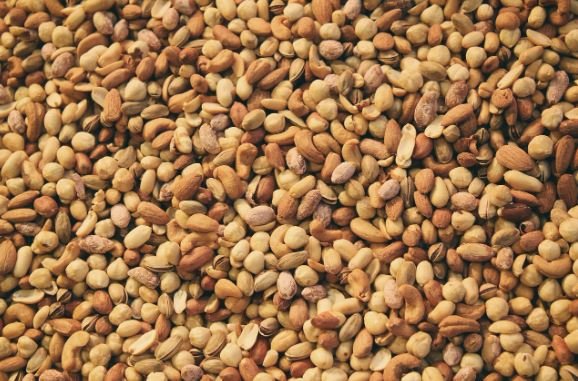
Agriculture supports much of the population and remains central to national income. Cashew nuts are the country’s leading export, leaving Guinea-Bissau highly exposed to changing global prices, weather conditions, and overseas demand. Most cashews are exported without processing, meaning that higher-value activities such as packaging, branding, roasting, and product development usually take place abroad.
This weakness creates an important investment opening. Local processing plants, warehouses, quality-testing services, aggregation networks, and improved export logistics could generate employment while increasing the value retained within the economy. Investors that provide farmers with reliable purchasing arrangements, technical support, and transparent pricing may also build stronger and more dependable supply chains.
Rice production offers another promising route for diversification. Domestic demand is substantial, while food imports continue to place pressure on the country’s external balance. Irrigation, better seeds, mechanisation, storage, and post-harvest management could raise productivity and reduce losses. Efficient producers may eventually supply neighbouring markets if transport systems and regional distribution links improve.
Fisheries and Marine Opportunities
Guinea-Bissau’s Atlantic waters are among its strongest economic assets. The fisheries sector can support commercial harvesting, seafood processing, cold storage, transport, and export services. Its long-term value, however, depends on effective licensing, resource monitoring, and responsible fishing practices.
Investment is needed to modernise landing facilities, refrigeration systems, processing operations, and distribution networks. Businesses that combine commercial activity with local employment, transparent reporting, and environmental safeguards are likely to attract stronger public and community support.

Forestry, Mining, and Energy Potential
Large forest areas could support timber processing, furniture production, carpentry, and other wood-based industries. At present, significant quantities of wood are used as household fuel or sold with little local processing. Responsible investment must address illegal logging, land ownership, replanting, and environmental protection to avoid damaging the resource base.
Mining remains underdeveloped, partly because geological information is incomplete and exploration has been limited. Commercial possibilities may exist in mineral surveys, technical services, equipment supply, and future extraction. Investors should insist on transparent licensing, clear community engagement, and realistic assessments of infrastructure requirements.
Establishing a Business
A commonly used business structure is the limited liability company, or SARL. It may be formed with one shareholder, including a foreign investor who does not live in Guinea-Bissau. This provides flexibility, although administrative procedures can still be slow or applied inconsistently.
Government efforts to digitise investment information and simplify registration are encouraging, but implementation varies. Investors should obtain qualified local legal, tax, and accounting advice before commencing operations. Licences, land rights, import permissions, and regulatory approvals should be verified in writing, particularly for projects involving natural resources, public agencies, or state-linked entities.
Compliance and Political Exposure
Guinea-Bissau has attracted international scrutiny because of governance weaknesses, trafficking networks, and allegations involving some political and security actors. Companies must carefully screen shareholders, directors, agents, suppliers, and intermediaries. Relationships involving politically exposed persons require enhanced review because undisclosed connections can create legal, financial, and reputational risks.
Sanctions obligations should be checked in every jurisdiction connected to a transaction, including those of lenders, insurers, customers, and parent companies. Anti-bribery controls, beneficial ownership verification, payment monitoring, and contractual audit rights are essential. Informal agreements may appear convenient but can create serious liabilities later.
Infrastructure and Workforce Challenges
Transport, electricity, telecommunications, healthcare, and education remain underdeveloped. These weaknesses increase operating expenses and may force companies to provide backup power, staff transport, training, accommodation, or private logistics. Skilled workers may also be difficult to recruit, making workforce development a practical business requirement.
Renewable energy, warehousing, digital payments, agricultural transport, vocational training, and essential services could produce both commercial and developmental returns. Projects designed around local purchasing power, dependable operations, and realistic demand are more likely to succeed than models transferred without adaptation.
Language, Culture, and Business Relationships
Portuguese is the official language of administration and formal commerce, while Guinea-Bissau Creole is more widely spoken in everyday life. Some professionals communicate in French or English, but foreign companies should use capable interpreters and bilingual documents where necessary.
Cultural awareness is equally important. Muslim communities are prominent in northern areas, while traditional and animist beliefs remain influential elsewhere. Visitors should respect religious practices, community leaders, and restrictions relating to sacred locations or objects. Photographs should only be taken with permission, especially in rural communities.
Strategic Outlook
Guinea-Bissau is not an easy market, but its prospects should not be judged solely through the lens of instability. Agriculture, fisheries, forestry, food processing, logistics, renewable energy, and basic infrastructure all offer meaningful openings. The strongest ventures will reduce import dependence, increase local processing, improve export quality, and create sustainable employment.
A successful entry strategy should be gradual, partnership-led, and supported by thorough due diligence. Investors should test commercial assumptions locally, maintain contingency plans, and avoid excessive dependence on political connections. With disciplined execution and a long-term approach, Guinea-Bissau can deliver viable returns while supporting broader economic development.
Important Questions and Answers
What makes Guinea-Bissau attractive to investors?
The country has strong potential in agriculture, fisheries, forestry, food processing, renewable energy, and logistics. Its Atlantic coastline and natural resources create opportunities for investors willing to take a long-term approach.
What is the biggest challenge facing businesses?
Political instability remains the most significant concern. Changes in government, tensions between civilian and military authorities, and inconsistent policy implementation can disrupt commercial planning.
Why is cashew production important?
Cashew nuts are Guinea-Bissau’s main export commodity and a major source of income for rural households. However, limited local processing means much of the product’s final value is created abroad.
Where are the opportunities in cashew processing?
Investors can establish roasting, packaging, storage, quality-testing, and export facilities. Local processing could improve farmer earnings, create jobs, and reduce dependence on raw cashew exports.
Can rice production become commercially viable?
Yes. Investments in irrigation, improved seeds, mechanisation, storage, and distribution could increase domestic production, reduce food imports, and support future regional exports.
What potential does the fisheries sector offer?
Guinea-Bissau’s coastal waters can support commercial fishing, seafood processing, refrigeration, cold-chain logistics, and export services. Sustainable resource management will be essential for long-term profitability.
Is the forestry sector suitable for investment?
The country’s forests could support timber processing, furniture manufacturing, and carpentry businesses. Investors must, however, address illegal logging, land rights, replanting, and environmental protection.
How difficult is it to establish a company?
A limited liability company, known as an SARL, can be formed with one shareholder, including a non-resident foreign investor. Registration procedures may still be slow, despite efforts to digitise investment services.
Why is due diligence especially important?
Businesses must carefully investigate partners, intermediaries, public officials, and beneficial owners. Political exposure, corruption risks, sanctions, and informal commercial networks can create legal and reputational problems.
How do infrastructure weaknesses affect businesses?
Unreliable electricity, poor roads, limited telecommunications, and skills shortages increase operating costs. Companies may need backup power, staff training, private transport, and independent logistics systems.
What approach should investors take?
Investors should enter gradually, work with credible local partners, test demand, maintain strong compliance controls, and avoid excessive dependence on political relationships. Patient and well-managed investments have the best prospects.