
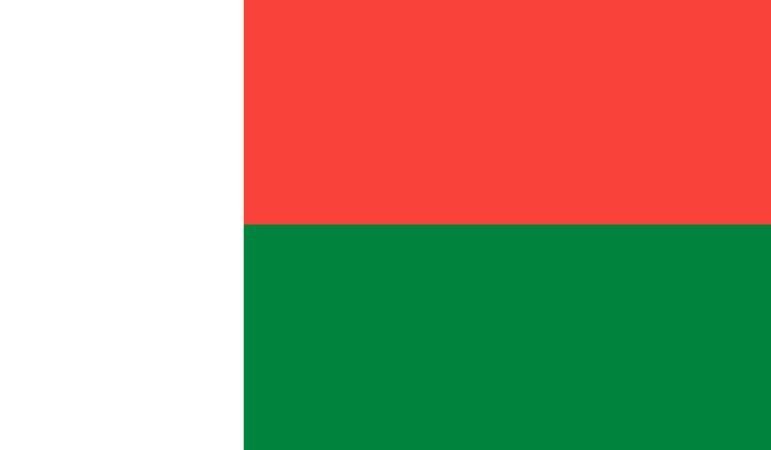
Madagascar represents a high-potential but operationally demanding market. The country combines exceptional natural resources, a large agricultural base, a young population, and a strategic Indian Ocean location. These strengths create opportunities across agribusiness, mining, textiles, tourism, logistics, renewable energy, and supporting services.
However, investors must approach Madagascar with a long-term outlook. Infrastructure gaps, political uncertainty, regulatory inconsistency, climate exposure, and limited access to finance can affect project execution. Successful market entry therefore depends on careful due diligence, strong local partnerships, realistic cost assumptions, and active risk management.
Market Fundamentals and Strategic Relevance
Madagascar is one of the world’s largest islands and has an estimated population of 31 to 32 million. Antananarivo serves as the political, administrative, and commercial centre. Malagasy and French are the official languages, with French widely used in government, formal business, and professional transactions.
The economy remains agriculture-led, although mining, manufacturing, tourism, fisheries, telecommunications, and financial services are becoming increasingly important. Madagascar’s position between Africa and Asia also gives it strategic relevance for trade across the Indian Ocean.
In our assessment, the country’s strongest investment appeal lies in sectors where domestic demand, export potential, and natural resource advantages overlap.
Infrastructure and Market Access
Madagascar’s geography presents both commercial potential and significant operational challenges. The central highlands, eastern rainforests, western plains, southern dry zones, and extensive coastline create diverse production environments. At the same time, difficult terrain and dispersed settlements increase the cost of transportation, energy distribution, and service delivery.
Road quality varies considerably, and some rural production areas become difficult to access during the rainy season. Electricity supply can also be unreliable, increasing operating costs for manufacturers, processors, and service providers.
Investors should therefore include logistics, backup power, storage, and distribution costs in their financial models. Projects that improve transport, energy, cold chains, warehousing, or digital connectivity may also benefit from strong unmet demand.
Consumer and Workforce Considerations
Madagascar’s population is youthful and continues to expand, creating a growing labour force and a larger future consumer market. Nevertheless, household purchasing power remains limited, particularly outside major urban areas.
Most people live in rural communities and depend on agriculture or informal economic activity. This means that mass-market products must generally be affordable, accessible, and adapted to local income patterns.
For employers, the country offers a sizeable workforce, but companies may need to invest in technical training, management development, safety systems, and productivity improvement. Recruitment strategies should account for differences between Antananarivo and more remote operating locations.
Political and Regulatory Environment
Madagascar operates as a semi-presidential republic and holds regular elections. However, the country has experienced recurring political tension, institutional weakness, and periods of policy uncertainty.
From an investor’s standpoint, these conditions make regulatory due diligence essential. Businesses should carefully assess licensing requirements, taxation, land access, customs procedures, environmental obligations, and sector-specific approvals before committing capital.
Relationships with local authorities and communities should be managed transparently. Investors should also avoid excessive dependence on informal arrangements, as these may become unreliable when political or administrative conditions change.
Agribusiness and Food Systems
Agriculture remains one of Madagascar’s most important sectors and supports the majority of rural livelihoods. Rice is the main staple crop, while vanilla, cloves, coffee, cocoa, and other spices contribute to export earnings.
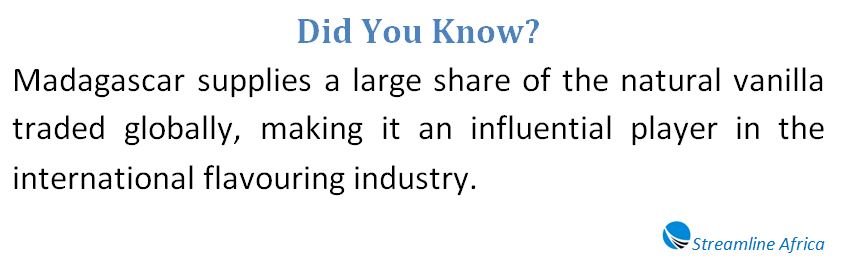
Madagascar is globally recognised as the leading producer of natural vanilla. This creates opportunities in farming support, aggregation, traceability, quality control, processing, storage, certification, and export logistics. However, vanilla prices can be volatile, and the industry faces risks related to theft, weather, quality variation, and market concentration.
Broader agribusiness opportunities include irrigation, improved seeds, farm equipment, fertiliser distribution, animal production, food processing, and rural finance. Investors capable of reducing post-harvest losses and improving links between farmers and buyers may find particularly attractive openings.
Mining and Mineral Development
Madagascar has commercially important deposits of nickel, cobalt, graphite, ilmenite, and other minerals. Demand for battery materials and industrial minerals may strengthen the country’s relevance to global supply chains.
Mining projects, however, require substantial capital, long development periods, and careful environmental and social management. Community expectations, land use, infrastructure needs, and government relations must be addressed from the earliest stages.
In our view, investors should evaluate not only extraction potential but also opportunities in mining services, transport, equipment maintenance, laboratory testing, environmental monitoring, and local supplier development.
Manufacturing and Textiles
Madagascar has developed an export-oriented textile and apparel industry supported by competitive labour costs and access to selected international markets. The sector provides opportunities for garment production, packaging, logistics, training, and industrial services.
Further manufacturing growth will depend on reliable electricity, efficient customs processes, stronger transport systems, and improved access to imported inputs. Investors should assess supply chain resilience carefully, especially where production depends on time-sensitive exports.
Light manufacturing linked to agriculture, construction materials, household goods, and consumer products may also expand as urban demand increases.
Tourism and Conservation-Based Investment
Madagascar’s biodiversity is one of its most valuable economic assets. The island is home to lemurs, rare reptiles, distinctive forests, baobab landscapes, coral ecosystems, and thousands of endemic plant species.
Destinations such as the Avenue of the Baobabs, Tsingy de Bemaraha, Nosy Be, and the eastern rainforest reserves provide a strong foundation for eco-tourism and adventure travel.
Investment opportunities exist in accommodation, tour operations, transport, hospitality training, conservation services, and community-based tourism. Yet the sector remains constrained by limited connectivity, inconsistent service standards, and environmental pressure.
We believe tourism projects are most sustainable when they protect natural assets, involve local communities, and maintain realistic expectations regarding visitor volumes and infrastructure.
Trade and Regional Integration
Madagascar is a member of the African Union, the Southern African Development Community, and the Indian Ocean Commission. These relationships support regional trade, maritime cooperation, and environmental coordination.
Its location creates potential for stronger commercial links with mainland Africa, the Gulf, Asia, and neighbouring island economies. Improvements in port efficiency, customs administration, and export logistics could significantly increase the country’s competitiveness.
Investors in trade-related sectors should examine port access, shipping frequency, customs delays, foreign exchange availability, and the reliability of inland transport.
Read Also: South Africa’s Agricultural Sector Signals a Stronger Investment Cycle
Investment Outlook
Madagascar should not be viewed as a low-risk market, but its challenges do not eliminate its commercial appeal. The country offers meaningful opportunities where investors can tolerate complexity, build strong local relationships, and operate with disciplined risk controls.
We consider agribusiness, mining services, renewable energy, logistics, food processing, textiles, digital services, and responsible tourism among the most promising areas.
The strongest investment strategies will combine financial returns with local job creation, infrastructure improvement, environmental protection, and community engagement. For investors prepared to take a patient and well-structured approach, Madagascar offers access to distinctive assets and sectors with considerable room for long-term growth.
Most Commonly Asked Questions about Investing in Madagascar
Why Should Investors Consider Madagascar?
Madagascar offers strong potential in agribusiness, mining, textiles, tourism, renewable energy, logistics, and digital services. Its natural resources, young population, and Indian Ocean location make it attractive to long-term investors.
What Are Madagascar’s Main Investment Strengths?
The country benefits from fertile agricultural land, valuable mineral deposits, unique biodiversity, competitive labour costs, and access to regional and international trade routes.
Which Sector Offers the Greatest Immediate Opportunity?
Agribusiness remains one of the most accessible sectors because agriculture supports much of the population. Opportunities exist in food processing, storage, irrigation, farm inputs, rural finance, and export supply chains.
Why Is Madagascar Important to the Global Vanilla Industry?
Madagascar is the world’s leading producer of natural vanilla. Investors can participate in farming support, processing, quality control, certification, traceability, packaging, and export logistics.
What Opportunities Exist in the Mining Sector?
Madagascar has significant deposits of nickel, cobalt, graphite, ilmenite, and other minerals. Opportunities extend beyond extraction to equipment supply, transport, maintenance, testing, and environmental services.
Is Madagascar Suitable for Manufacturing Investment?
Yes. The country has an established textile and apparel industry supported by relatively competitive labour costs. However, investors must plan for electricity constraints, customs delays, and imported-input dependence.
What Makes Madagascar Attractive for Tourism Investment?
Madagascar’s wildlife, forests, beaches, baobab landscapes, and marine ecosystems create strong potential for eco-tourism and adventure travel. Sustainable accommodation, transport, tour operations, and hospitality services remain promising areas.
What Are the Main Risks for Investors?
Key risks include political uncertainty, infrastructure limitations, regulatory inconsistency, climate-related disruption, weak transport networks, and unreliable electricity. These risks require careful planning and local expertise.
How Important Are Local Partnerships?
Reliable local partnerships are essential for understanding regulations, community expectations, recruitment, supply chains, and operating conditions. Investors should conduct detailed checks before selecting partners.
How Can Investors Improve Their Chances of Success?
Successful investors typically enter with realistic budgets, strong risk controls, patient capital, transparent community engagement, and a clear understanding of licensing, taxation, land access, and environmental obligations.
What Is the Long-Term Investment Outlook?
Madagascar remains a challenging but promising frontier market. Investors that combine commercial discipline with local job creation, infrastructure support, and environmental responsibility may achieve sustainable long-term returns.