

Building a reliable and effective team is one of the most important steps a small business owner can take to ensure long-term growth and stability. Whether you’re expanding your company or simply replacing a departing employee, bringing the right individuals on board has the potential to fuel productivity, improve morale, and strengthen your brand. On the flip side, a bad hiring decision can drain your time, resources, and revenue. This guide walks through smart, modern hiring strategies that can help small businesses identify, attract, and retain great talent in a competitive market.

Start With a Clear Hiring Plan
Effective hiring begins long before a job is posted. It requires clarity about your needs and goals. Think about what success in the role will look like and how it fits into your company’s structure. Taking a proactive approach, rather than hiring reactively out of urgency, allows you to focus on quality over speed. When hiring timelines are tight, business owners often feel pressure to act quickly. But without a structured approach, it’s easy to make costly missteps. Instead, take the time to define job responsibilities, map out timelines, and consider where you might find your ideal candidates. Doing this upfront will save you headaches later.
Define the Role With Accuracy
A strong job description serves two purposes: it gives you clarity about what you’re hiring for and it helps potential applicants determine if they’re a good fit. Go beyond listing duties—describe what kind of person would thrive in the role. Think through the day-to-day activities, how this position supports business goals, and which qualities are critical for success. For example, a customer service role may require patience and empathy just as much as technical know-how. This step will help you identify whether a short-term contractor or a long-term team member is better suited for your needs.
Go Beyond Resumes and Degrees
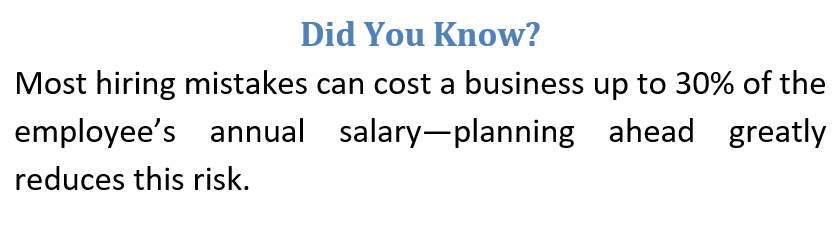
While a candidate’s qualifications and experience matter, they’re not everything. Some of the most valuable employees are those who demonstrate a strong work ethic, adaptability, and a willingness to learn. A common mistake is to prioritize credentials over capability. Someone who’s motivated and open to growth may outperform someone more experienced who lacks enthusiasm or initiative. You’ll get better results if you look for alignment with your company’s values and culture alongside technical ability.
Rethink Your Definition of a “Qualified Candidate”
Conventional hiring filters often exclude candidates who don’t fit the typical mold—those without degrees, those with gaps in their work history, or those shifting industries. But non-traditional candidates can bring fresh perspectives and untapped potential. Think of a salesperson who’s more introverted but deeply attentive to customer needs, or a working parent who may not keep 9-to-5 hours but consistently exceeds goals. These are the kinds of hidden gems who might not stand out on paper but can drive real impact.
Offer Creative Compensation and Benefits
Smaller companies can’t always compete on salary—but they can often offer things large corporations struggle to provide: flexibility, meaningful work, mentorship, and a strong sense of purpose. If budgets are tight, consider offering remote work options, personal development stipends, or extra time off. Sometimes even small gestures—like celebrating birthdays or offering flexible work hours—can make a huge difference in a candidate’s decision to join your team.
Ask the Right Questions in Interviews
Interviews are your best chance to understand how someone thinks, works, and interacts with others. Rather than relying on scripted questions, ask candidates to tell stories about past experiences. Their answers will reveal a lot more than memorized responses. Instead of, “Where do you see yourself in five years?” try: “Tell me about a time you handled a challenge at work and what you learned from it.” The goal is to assess not just what they’ve done, but how they think and problem-solve.
Respect Boundaries During the Hiring Process
Interviews should be professional, respectful, and compliant with legal standards. Avoid personal questions that may cross legal boundaries—such as inquiries about age, marital status, religion, or health. Focus instead on the candidate’s ability to meet the demands of the job. When in doubt, ask job-related questions like: “Are you available to work the schedule we require?” or “Can you perform the essential duties listed in the description with or without accommodations?”
Research and Vet Candidates Thoroughly
Once you’ve found a promising candidate, take steps to verify their background. References from previous supervisors, simple internet searches, and publicly available professional profiles can all help confirm their experience. If you opt to run a formal background check, make sure you’re following proper procedures. Obtain written consent from the applicant and ensure you’re complying with local labor and privacy laws.
Promote Your Company Culture
During interviews, remember that you’re also being evaluated. Just as you’re assessing whether the candidate fits your team, they’re deciding if your company is a place they want to work. Be prepared to talk about your mission, culture, work environment, and growth opportunities. Transparency here can build trust and help both sides determine if there’s a true match.
Handle Rejections with Courtesy
Hiring isn’t only about bringing someone on board—it’s also about leaving a good impression, even when things don’t work out. Promptly notify applicants once a decision is made, and where possible, offer them constructive feedback. Being polite and professional not only reflects well on your company, it can also build a pool of interested candidates for future openings.
Retain Your Best People
Recruiting is only half the battle. Once you’ve built a great team, the next step is keeping them. Invest in your employees’ growth by offering learning opportunities, clear career paths, and a supportive work environment. Retention isn’t just about pay—it’s about respect, recognition, and opportunity. Make sure your best people feel appreciated, challenged, and engaged.
Build a Smart Recruitment Strategy
Hiring success starts with an effective strategy. Identify the channels where your ideal candidates spend their time—whether it’s LinkedIn, local job fairs, industry forums, or employee referral networks. Use a mix of platforms to reach diverse applicants. Also, think beyond job boards. Personal referrals often yield highly engaged and qualified candidates. Offer small incentives for staff who help you find great additions to the team.
Use Technology Wisely
Recruiting tools can help speed up and streamline your hiring process. From applicant tracking systems (ATS) to video interview platforms, technology offers valuable support—but it’s not a replacement for good judgment. Always keep human oversight in the loop. Automations can screen resumes for keywords, but only people can assess culture fit, motivation, and soft skills.
Best Practices for Hiring Remote Employees
Remote work has opened up new hiring possibilities for small businesses. However, hiring a remote employee isn’t quite the same as bringing someone into your office. To succeed, you’ll need to adjust your approach. Start by making sure your online presence reflects your company values and mission. Include this information on your website and social media platforms so remote candidates can get to know you before applying. It also helps to create a brief introductory video about your business. A warm, authentic message can help you connect with applicants and make your job listing stand out.
Avoid Common Mistakes in Remote Hiring
Posting your job on too many platforms can lead to a flood of irrelevant applications. Instead, choose your sites carefully and use filters to narrow your candidate pool. Don’t treat remote staff as second-tier employees. They should receive the same onboarding, benefits, and opportunities for advancement as in-office employees. When expectations are clear and fair, remote teams thrive. Also, don’t overload remote workers with undefined tasks or inconsistent communication. Clarify working hours, expected response times, and performance metrics from the beginning.
Consider Skills Over Credentials
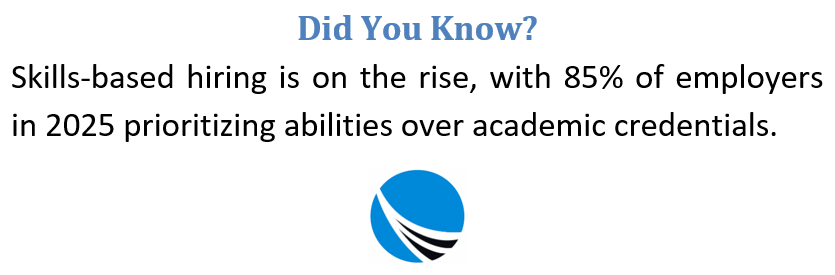
When reviewing remote applicants, it’s easy to default to formal qualifications. But someone without a traditional background may still bring valuable experience. Focus on skills, work samples, and real-world results—not just degrees or job titles. Soft skills like communication, time management, and initiative are especially important for remote workers, who operate with less direct supervision.
Referrals Still Matter
Even in remote hiring, referrals are powerful. Encourage your team to recommend people they’ve worked with or admire. Employees who refer candidates are more likely to bring in people who fit your company’s culture and values.
Conclusion
Hiring is one of the most impactful decisions you’ll make as a business owner. When done thoughtfully, it can be a powerful driver of growth, culture, and innovation. But it’s not just about resumes and interviews—it’s about relationships, values, and building a team that believes in your vision. Take your time, lead with intention, and you’ll find the right people to take your business forward.
Frequently Asked Questions
Are degrees and experience the most important factors in choosing a candidate?
Not always. Attitude, willingness to learn, and cultural fit often matter more than formal credentials. A motivated team player can outshine a seasoned expert who’s disengaged.
How can small businesses compete with bigger companies on compensation?
Offer what big companies often can’t—flexibility, purpose, skill-building opportunities, and a more personal work environment. Non-financial perks can make your offer more attractive.
What’s a smart way to improve hiring success?
Use referrals and tailor your sourcing channels. Employees often know people who’d be a great fit. Also, target where your ideal candidates already hang out online.
What should I avoid asking during interviews?
Steer clear of personal questions about age, family plans, religion, or health. Focus on job-related abilities and availability to stay compliant and respectful.
How do I make remote hiring work effectively?
Be clear about expectations, treat remote staff like core team members, and keep communication open. Showcase your company’s culture online so remote candidates feel connected.