

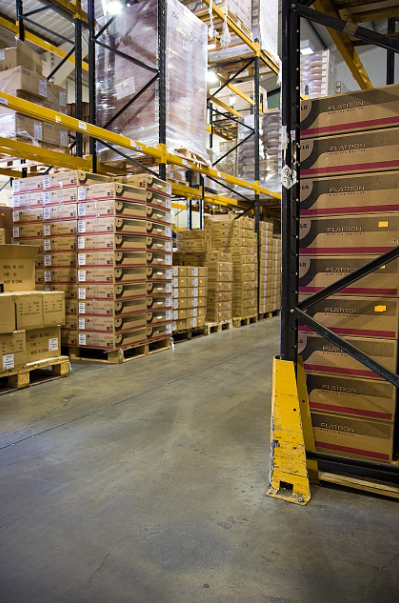
A just in case inventory strategy is an approach in which a business deliberately keeps more stock than it expects to need under normal operating conditions. The objective is to create a protective buffer against unexpected demand, delayed deliveries, supplier failures, transportation problems, production interruptions, or other events that could leave the organization without essential goods.
Rather than treating excess inventory as unnecessary, businesses using this model view additional stock as a form of operational insurance. They accept higher warehousing and inventory carrying costs because the financial and operational consequences of running out of critical products may be considerably greater.
The approach is particularly relevant when demand is difficult to predict or when suppliers cannot guarantee reliable replenishment. Companies may therefore hold extra finished goods, raw materials, spare parts, packaging materials, or other important inputs so operations can continue even when normal supply arrangements are disrupted.
How the Just in Case Model Works
The central principle of just in case inventory management is maintaining sufficient stock to continue operating during periods of uncertainty. Management establishes a minimum inventory threshold and normally places replenishment orders before stock falls below a level considered operationally safe.
An important factor in this process is lead time. Lead time refers to the period between placing an order with a supplier and receiving the goods. If a supplier normally requires several weeks to deliver an important component, the company must maintain enough inventory to cover expected consumption throughout that period, together with an additional buffer for possible delays.
Consider a manufacturer that uses specialized packaging imported from another country. Under ordinary conditions, shipments might arrive within three weeks. However, port congestion, customs delays, bad weather, or transportation disruptions could extend delivery considerably. Maintaining several additional weeks of packaging inventory can prevent the production line from stopping while the company waits for the delayed shipment.
The size of the buffer depends on factors such as demand volatility, supplier reliability, product importance, storage capacity, replacement time, and the financial consequences of a shortage.
Why Businesses Choose Higher Inventory Levels
Holding additional inventory creates costs, but those expenses must be compared with the potential cost of not having enough stock.
A stockout can result in lost revenue when customers cannot purchase the products they want. In competitive markets, disappointed customers may simply buy from another supplier. Repeated shortages can eventually weaken customer loyalty and damage the company’s reputation for reliability.
Manufacturers face an additional risk. If one essential material becomes unavailable, an entire production process may be interrupted even when every other required input is available. Employees, machinery, factory space, and other resources may remain underutilized while the organization waits for a comparatively inexpensive missing component.
In such circumstances, the cost of holding extra inventory can be smaller than the economic cost of interrupted production.
Businesses may also adopt the strategy when maintaining continuity is more important than maximizing inventory efficiency. Organizations providing essential services, for example, may prioritize availability ahead of minimizing warehouse expenditure.
The Advantages of Just in Case Inventory
One of the most important benefits of the strategy is protection against stockouts. Maintaining reserve inventory allows businesses to continue meeting customer demand even when sales unexpectedly exceed forecasts.
The approach also provides greater protection against supply-chain disruption. A company with additional stock may continue operating through temporary transportation delays, supplier shutdowns, strikes, geopolitical disruptions, natural disasters, or infrastructure failures.
Another advantage is greater production stability. Manufacturing schedules become less dependent on every supplier delivering exactly when expected. This can be particularly valuable where businesses rely on imported materials or suppliers located far from production facilities.
JIC inventory can also strengthen customer service. When important products remain available during periods of unusually high demand, businesses have a greater opportunity to maintain customer relationships and capture sales that less-prepared competitors may lose.
Finally, larger inventories may give managers more flexibility when responding to unexpected events. Instead of immediately changing production schedules or searching urgently for alternative suppliers, they have additional time to evaluate their options.
The Financial and Operational Drawbacks
The protection provided by excess inventory comes with significant trade-offs. Storage is one of the most obvious expenses. Additional products may require larger warehouses, more shelving, security, insurance, utilities, handling equipment, and warehouse employees.
There is also an opportunity cost. Money invested in inventory cannot simultaneously be used for marketing, technology, employee development, expansion, debt repayment, or other business priorities. Large inventories therefore increase the amount of working capital tied up in operations.
Obsolescence represents another concern. Technology products, fashion goods, seasonal merchandise, food products, pharmaceuticals, and other time-sensitive items may lose value before they are sold or used.
Businesses can also incur losses through spoilage, deterioration, theft, damage, or changes in customer preferences. Consequently, maintaining larger inventories without disciplined forecasting and monitoring can turn a protective strategy into an expensive operational burden.
For this reason, successful JIC management does not simply involve purchasing as much inventory as possible. Businesses must determine how much additional stock provides reasonable protection without creating excessive financial exposure.
Just in Case Compared With Just in Time
Just in case and just in time represent different philosophies of inventory management.
A just in time system seeks to reduce inventory levels by arranging for materials or products to arrive close to the moment they are required. Businesses using this model can lower storage expenses, reduce waste, release working capital, and operate with relatively lean inventories.
However, JIT depends heavily on predictable demand, efficient logistics, reliable suppliers, and strong coordination across the supply chain. A major disruption can quickly create shortages because relatively little reserve inventory is available.
JIC accepts greater inventory costs in exchange for resilience. The company sacrifices some efficiency so it can better absorb uncertainty.
Neither model is automatically superior. The appropriate strategy depends on the characteristics of the organization, its suppliers, customers, products, and operating environment.
Many businesses use a hybrid approach. They maintain lean inventories for products that can be replenished quickly while holding larger safety stocks of critical materials that would be difficult or costly to replace.
Where Just in Case Inventory Is Most Valuable
The strategy becomes particularly important when shortages could create serious consequences.
Hospitals provide a clear example. Medical facilities need dependable access to medicines, protective equipment, surgical supplies, blood products, oxygen equipment, and other essential resources. Waiting for demand to arise before ordering every item could create unacceptable risks to patients.
Military organizations operate under similar conditions. Equipment, fuel, food, medical supplies, spare parts, and ammunition may be needed unexpectedly and in significant quantities. Strategic reserves therefore support operational readiness when immediate replenishment cannot be guaranteed.
Manufacturers operating in locations with unreliable transport systems may also benefit from maintaining larger stocks of critical raw materials. Agricultural businesses might stock essential inputs ahead of important production seasons, while retailers may increase inventories before predictable periods of high demand.
The underlying principle is consistent: the greater the consequences of a shortage, the stronger the case for maintaining a protective inventory buffer.
Managing JIC Inventory More Effectively
A well-designed JIC system requires more than simply purchasing excess stock. Businesses should regularly analyze demand patterns, supplier performance, lead times, inventory turnover, storage costs, and the financial impact of potential shortages.
Products can also be classified according to their importance. Critical items with long replacement times may justify substantial safety stock, while easily available products may require much smaller reserves.
Technology can improve this process significantly. Inventory management platforms, enterprise resource planning systems, demand forecasting tools, and real-time warehouse data can help managers identify when inventory is becoming excessive or when safety stock is approaching unsafe levels.
Supplier diversification can further reduce the amount of inventory required. A company depending entirely on one supplier may need a larger buffer than a company capable of sourcing similar materials from several qualified providers.
The objective should therefore be resilience rather than accumulation. Inventory should protect operations against credible risks without unnecessarily consuming cash.
The Bottom Line
Just in case inventory management provides businesses with a cushion against demand uncertainty and supply-chain disruption. By maintaining additional stock, organizations can reduce the likelihood of lost sales, production stoppages, customer dissatisfaction, and shortages of essential materials.
That protection comes at a price. Larger inventories increase storage expenses, working-capital requirements, and exposure to waste or obsolescence.
For businesses operating in unpredictable markets or sectors where shortages carry serious consequences, however, those costs may be justified. The strongest approach is usually not to maximize inventory but to determine where additional stock creates genuine operational value. When supported by disciplined forecasting, supplier analysis, and inventory controls, a just in case strategy can become an important tool for strengthening business continuity and supply-chain resilience.
10 Important Facts About Just in Case Inventory
JIC Prioritizes Product Availability
A just in case inventory strategy keeps additional stock on hand so businesses can continue serving customers when demand rises unexpectedly or supply is disrupted.
Extra Inventory Acts as a Safety Buffer
The additional stock provides protection against delayed deliveries, supplier problems, transport disruptions, production failures, and other uncertainties.
JIC Can Reduce the Risk of Stockouts
Companies using this approach are less likely to run out of important goods because replenishment normally begins before inventory falls to a critical level.
Lead Time Plays an Important Role
Businesses must understand how long suppliers take to deliver new stock. Longer or unpredictable lead times generally increase the need for safety inventory.
Higher Inventory Creates Additional Costs
JIC can increase warehousing, insurance, handling, security, utilities, and inventory management expenses because more goods must be stored.
Working Capital Can Become Tied Up
Money invested in additional inventory cannot be used elsewhere in the business, making careful stock planning essential.
Excess Stock Can Lose Value
Businesses face risks such as spoilage, damage, theft, obsolescence, or changing customer preferences when they hold inventory for extended periods.
JIC Differs From Just in Time
Just in time focuses on keeping inventory low and receiving goods close to when they are needed, while JIC accepts higher stock levels in exchange for greater protection against disruption.
Critical Industries Often Need Inventory Reserves
Hospitals, military organizations, manufacturers, and other operations where shortages could have serious consequences may benefit significantly from maintaining reserve supplies.
A Hybrid Approach Can Improve Efficiency
Businesses do not necessarily have to choose entirely between JIC and JIT. They can keep larger reserves of critical items while maintaining leaner inventories for products that are easy to replace.