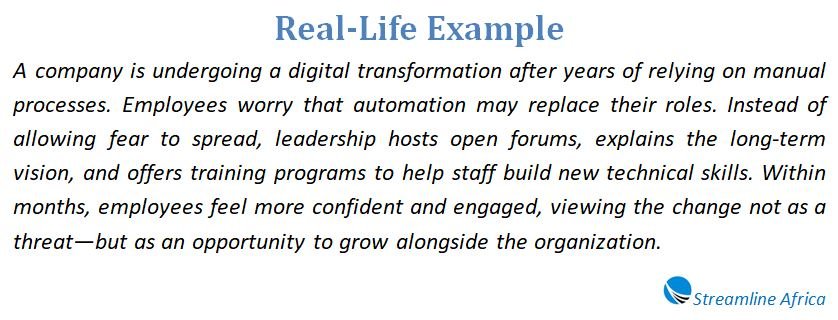
Every organization goes through cycles of change—sometimes due to economic pressures, shifts in consumer preferences, or rapid technological advancement. These periods often cause anxiety within teams, as employees begin to question stability, their future roles, and the company’s direction. For leaders, the challenge is clear: how do you keep people motivated and engaged when circumstances feel unpredictable?
The answer lies in adopting intentional strategies that combine transparency, empathy, and a renewed sense of purpose. Rather than letting turbulence overwhelm morale, leaders can use it as an opportunity to strengthen trust, foster resilience, and inspire growth. Below are seventeen strategies to keep employees motivated and invested in their work even during turbulent change.

Communicate With Clarity and Context
One of the most effective ways to reduce uncertainty is through clear, honest communication. Employees want to understand not just what changes are happening, but why they are happening. When leaders share the reasoning behind decisions, as well as how these shifts align with broader goals, employees gain a sense of direction. Providing context transforms confusion into understanding and ensures that teams feel included in the journey rather than left in the dark.
Lead With Empathy and Accessibility
Turbulent times call for leaders who are approachable and compassionate. Being visible, available, and willing to listen shows employees that their concerns are valid. A leader who acknowledges challenges while offering reassurance creates an environment where people feel supported. By modeling adaptability and openness, leaders set the tone for how the entire organization can respond to change.
Infuse Fun and Creativity
Stressful periods can drain energy, but introducing elements of fun can help restore balance. Whether through team challenges, creative projects, or lighthearted interactions, finding ways to bring joy into the workplace can make a noticeable difference. Creativity also thrives in constraint, so using periods of transition as opportunities to experiment with new ideas keeps employees engaged and inspired.
Show Appreciation and Provide Resources
Employees are more motivated when they feel valued. Recognition goes beyond saying thank you—it also involves ensuring that people have access to resources that support their well-being. From professional development opportunities to wellness programs or simply frequent check-ins, these gestures signal that the organization is invested in their growth and success. Consistent communication from leadership also reinforces this sense of belonging.
Support Growth and Flexibility
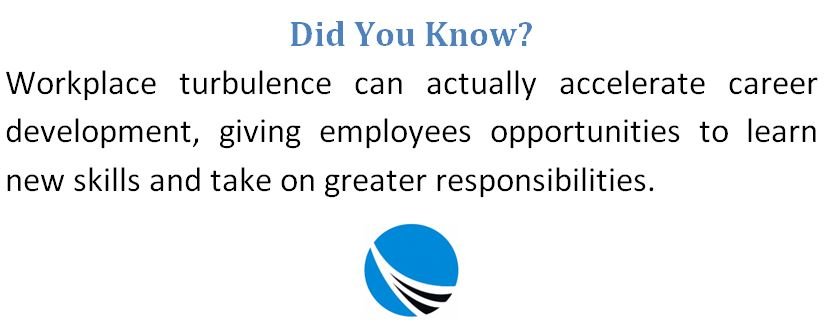
Change can be unsettling, but it can also open doors to learning new skills. Offering training programs, mentorship, and opportunities for career development helps employees see turbulence as a chance to grow. At the same time, providing flexibility—whether in work hours, methods, or environments—acknowledges the reality of employees’ diverse needs. Balancing skill-building with adaptability boosts motivation and loyalty.
Make Work Personally Meaningful
Motivation increases when employees find personal value in their work. For some, this may mean aligning with the company’s mission, while for others, it’s about advancing their career goals. Leaders can tap into this by connecting daily tasks to a bigger purpose and highlighting how individual contributions matter. Reminding employees of the impact they create reinforces their importance and energizes them to stay engaged.
Build a Safe and Empowering Workplace
During turbulent times, employees spend much of their day seeking stability. Creating a safe, supportive workplace can make all the difference. Leaders should focus on empowerment—acknowledging effort, encouraging initiative, and celebrating progress. When employees feel secure and respected, they are more willing to take risks, share ideas, and contribute fully to the company’s evolution.
Prioritize Over-Communication
In times of uncertainty, silence can fuel rumors and fear. Over-communicating—sharing frequent updates, inviting questions, and keeping doors open—helps reduce anxiety. An open-door policy reinforces trust, signaling that employees can raise concerns without hesitation. By consistently reinforcing the message that leadership is available and transparent, employees feel guided and reassured.
Normalize Market Cycles
Periods of economic slowdown or rapid growth are part of business reality. Reminding teams that markets naturally fluctuate helps reduce panic during downturns and overconfidence during booms. By focusing on fundamentals and reinforcing long-term goals, leaders help employees understand that resilience matters more than reacting to short-term trends. This steadiness instills confidence even in rocky times.
Act as a Trusted Advocate
Employees often look to their managers for reassurance. Leaders who act as advocates—supporting their teams, voicing their needs, and guiding them through change—build trust and loyalty. Positioning managers as allies fosters resilience and helps employees frame challenges as learning opportunities. With a trusted advocate by their side, employees feel less isolated and more empowered to navigate uncertainty.
Explain the Decision-Making Process
Employees don’t need to be involved in every decision, but they do want to understand how and why choices are made. Leaders should clearly explain the rationale behind major moves, whether it’s restructuring, shifting strategies, or reallocating resources. This level of transparency validates employees’ importance and helps them process changes without feeling blindsided.
Admit What You Don’t Know
Change often involves uncertainty, and pretending to have all the answers can backfire. Leaders who admit when they don’t have all the information but are actively working on solutions build credibility. Vulnerability demonstrates authenticity and encourages employees to contribute ideas. Acknowledging the unknown also reinforces the message that the organization is facing challenges together, not in isolation.
Align Around a Shared Vision
When turbulence disrupts routines, a shared vision becomes the anchor. Leaders should ensure that everyone understands what the organization is striving for and how each role contributes to that mission. Aligning employees with customer needs and organizational goals creates a sense of unity. With a clear destination in sight, employees are more likely to stay motivated despite the obstacles.
Focus on What Employees Value Most
Most people care deeply about four aspects of their work: fair compensation, a positive culture, opportunities for growth, and a sense of purpose. Doubling down on these fundamentals during uncertain times helps maintain engagement. Recognizing contributions, rewarding high performers, and offering meaningful development opportunities reinforce the organization’s commitment to its workforce.
Use Tools to Measure Engagement
Data can be a valuable ally in managing change. Diagnostic tools, surveys, and measurement techniques can reveal how employees are feeling and where improvements are needed. By using these insights, leaders can tailor strategies that better align with culture and values. Measurement also shows employees that their voices matter, making them feel more connected to organizational goals.
Reconnect Employees With Organizational Purpose
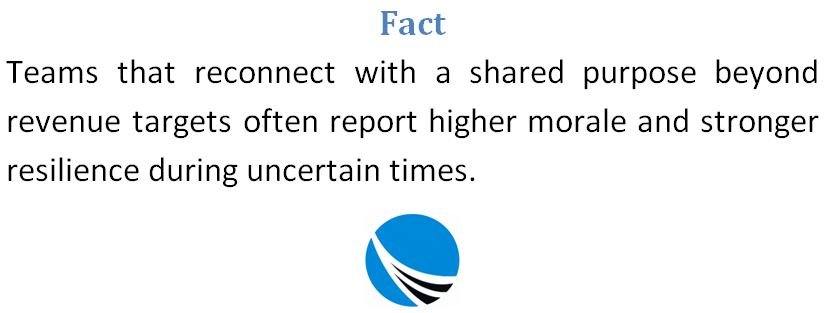
Periods of turbulence are an ideal time to remind employees why the company exists beyond revenue targets. Highlighting stories of customer impact or community contributions helps reinforce a deeper sense of meaning. Employees who feel connected to a greater purpose are more likely to remain passionate and motivated, even when external conditions are difficult.
Encourage Continuous Improvement
The mindset of constant improvement fosters optimism and progress. By encouraging employees to focus on being better tomorrow than they are today, leaders nurture resilience and adaptability. Whether it’s through learning, innovation, or personal growth, a culture of perpetual improvement prepares teams to embrace change rather than fear it.
Conclusion: Turning Change Into Motivation
Change is inevitable, and turbulence will always be part of the business landscape. But instead of seeing it as a threat, leaders can use it as an opportunity to motivate employees, strengthen connections, and foster growth. By prioritizing transparency, empathy, shared purpose, and continuous learning, organizations can keep their teams engaged and inspired—even in the face of uncertainty.
Motivated employees are the foundation of resilience. When people feel valued, empowered, and connected to a larger mission, they not only weather change—they help drive the organization toward a stronger, more sustainable future.
FAQs about Employee Motivation
How can leaders communicate effectively in turbulent times?
Leaders should be transparent, explain the reasons behind decisions, and maintain an open-door policy. Clear communication helps employees feel informed, respected, and connected to the bigger picture.
What role does empathy play in leadership during uncertainty?
Empathy reassures employees that their concerns matter. Approachable leaders who listen and show compassion help reduce stress, which strengthens loyalty and commitment.
How can companies make work feel meaningful for employees?
Leaders can highlight how each person’s contribution supports both the company’s mission and individual career growth. Connecting daily work to a bigger purpose inspires motivation and pride.
What practical steps help employees adapt to change?
Offering skills training, professional development, and flexibility allows employees to see change as an opportunity to grow instead of a threat to their stability.
How can organizations build resilience for the long term?
By fostering continuous improvement, reconnecting teams with organizational purpose, and focusing on what employees value most—such as fair pay, culture, and growth—companies can create a motivated, future-ready workforce.