Bullying is often thought of as something confined to schools or playgrounds, but research shows it is alive and well in offices, warehouses, and remote teams across the world. The effects are far-reaching, damaging both individuals and organizations. A 2024 survey from the Workplace Bullying Institute estimated that more than 52 million Americans have been bullied at work, either directly or indirectly. With numbers this high, every employer needs to understand what workplace bullying looks like, how to address it, and the impact it can have if ignored.
Defining Workplace Bullying
Workplace bullying is not about one-off disagreements or occasional bad days. It involves repeated mistreatment of an individual or group, ranging from harsh criticism and exclusion to outright humiliation or intimidation. These actions can be verbal, nonverbal, physical, or psychological. The intent is often to undermine confidence, erode credibility, or exert control.
While anyone in a workplace can be a bully, studies suggest that the majority of bullies hold positions of authority. This creates additional complexity, as employees may feel powerless to push back or report behavior when the aggressor is their boss. The consequences are typically harsher for the victims than for the perpetrators. Many employees end up leaving their jobs, while bullies often continue with little to no disciplinary action.
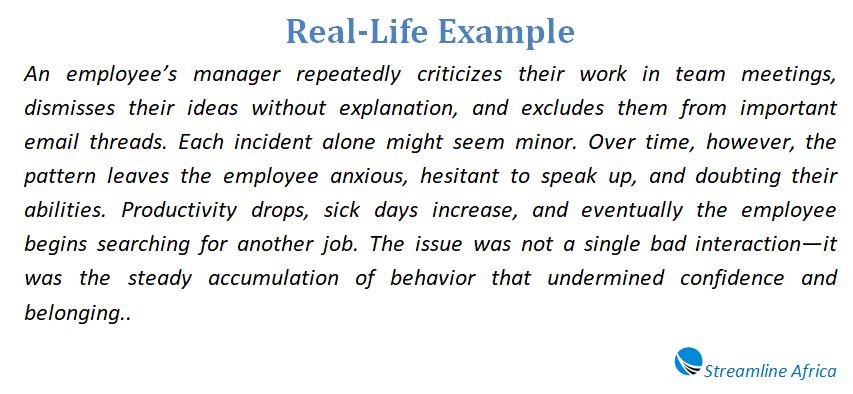
Bullying is less about isolated events and more about persistent patterns. As workplace wellness experts point out, bullying often reveals itself as a slow erosion of self-esteem and inclusion rather than a single dramatic incident.

How Bullying Manifests in the Modern Workplace
With hybrid and remote work now common, bullying is no longer limited to in-person interactions. Hostile behaviors can play out over video calls, in emails, or through chat platforms. According to the same 2024 survey, employees working hybrid schedules reported bullying at far higher rates than those who were fully remote.
Bullying can also extend beyond the office walls. Social media platforms provide new ways for aggressors to target colleagues. In some cases, excluding a coworker from team events or company gatherings can itself be a subtle form of bullying. In short, workplace bullying is not defined by location but by the behavior itself.
Recognizing the Signs of Bullying
The first step to tackling workplace bullying is knowing what to look for. It doesn’t always appear as open aggression; often, it’s subtle and easy to dismiss if managers and coworkers aren’t paying attention.
Examples include:
- Public or private ridicule
- Persistent, unfounded criticism
- Hostile gestures or digital messages
- Taking credit for someone else’s achievements
- Setting unreasonable deadlines or workloads
- Excluding someone from key meetings or communications
Employees on the receiving end may show warning signs as well. They might withdraw from conversations, call in sick more often, or stop contributing ideas in meetings. These behavioral changes should raise red flags for supervisors.
The Consequences of Bullying
The impact of workplace bullying goes far beyond the individual target. At a personal level, it can cause anxiety, depression, stress-related health problems, and career setbacks. But businesses also suffer when toxic behavior goes unchecked.
Bullying erodes productivity and engagement. Workers who feel attacked or belittled lose confidence and motivation, which directly affects performance. High turnover is another costly consequence; the expenses of recruiting, hiring, and training new staff quickly add up. On top of this, reputational damage can make it difficult to attract strong candidates in the future.
Legal risk is another factor. While there are no federal laws in the United States that specifically prohibit bullying, certain cases can fall under harassment if they involve discrimination against protected groups. Lawsuits and settlements tied to toxic workplace cultures can drain finances and tarnish brand image.
Handling Workplace Bullying
The most effective way to address bullying is to take a proactive approach rather than waiting for problems to spiral. Leadership must set the tone by establishing a culture where respect is non-negotiable.
Key steps include:
- Creating clear, written policies that define unacceptable behavior and outline consequences.
- Requiring all staff to undergo anti-bullying and harassment training.
- Setting up confidential reporting channels so employees feel safe raising concerns.
- Responding promptly and consistently to every complaint.
- Keeping detailed documentation of incidents, investigations, and outcomes.
- Reviewing workplace policies regularly to ensure they reflect current realities, including remote work dynamics.
Managers play a crucial role in both prevention and response. They must remain neutral when investigating reports, maintain confidentiality, and act swiftly. A pattern of inaction not only damages trust but can also embolden bullies.
Creating a Safer Workplace Culture
Workplace culture is at the heart of preventing bullying. A culture that values transparency, inclusivity, and fairness makes it harder for bullying to thrive. Encouraging open communication, supporting employee well-being, and rewarding collaboration over competition help build an environment where toxic behaviors are less likely to take root.
Employers should pay attention to relational dynamics within teams. Small conflicts are inevitable, but how they are handled can determine whether they escalate into bullying. Training managers to recognize early warning signs and mediate fairly is essential.
It’s also important for businesses to regularly assess employee morale through surveys, exit interviews, and direct conversations. Insights gained from these can reveal patterns of mistreatment that may otherwise go unnoticed.
The Unique Impact on Small Businesses
For small businesses, the cost of workplace bullying can be particularly severe. With fewer employees, the loss of even one skilled worker creates a noticeable gap. High turnover, sick leave, and disengagement can quickly overwhelm limited resources.
Financially, the costs extend to retraining, reduced productivity, and possible legal action. On average, replacing a single employee can cost thousands of dollars, not counting the hidden losses in customer satisfaction and institutional knowledge.
Perhaps most damaging is the effect on reputation. Word spreads quickly, and a reputation for tolerating bullies can scare away both customers and talented job seekers. In competitive markets, culture is often the deciding factor for why someone chooses to join—or leave—a company.
Moving Toward Solutions
Bullying in the workplace is not an issue that resolves itself. It demands active leadership, consistent accountability, and a commitment to fairness. Encouraging employees to speak up, ensuring policies are enforced, and creating avenues for safe reporting are fundamental steps.
Ultimately, preventing and addressing bullying is about treating people with dignity. Employees don’t expect perfection from their employers, but they do expect respect. When organizations create cultures rooted in fairness and compassion, they build the foundation for stronger collaboration, higher performance, and long-term success.
Conclusion
Bullying at work is more than just unpleasant behavior—it’s a serious issue that can devastate individuals and businesses alike. By identifying its signs, implementing effective policies, and nurturing a culture of respect, organizations can protect both their employees and their bottom line. A safe, inclusive workplace is not just a moral responsibility but also a strategic advantage.
Frequently Asked Questions
Who is most likely to bully at work?
Anyone can be a bully, but studies show most cases involve managers or people in positions of authority targeting subordinates.
How can you recognize bullying behaviors?
Common signs include constant criticism, exclusion from meetings, public humiliation, impossible demands, or taking credit for someone else’s work.
What impact does bullying have on employees?
Victims often experience stress, anxiety, and low confidence. Many eventually leave their jobs, losing not only income but also their sense of security.
How does bullying hurt businesses?
It leads to higher turnover, reduced productivity, reputational damage, and in some cases, costly legal disputes.
What should employers do to stop bullying?
They should set zero-tolerance policies, provide anti-bullying training, create safe reporting systems, and respond quickly and fairly to complaints.
Why is culture so important in preventing bullying?
A respectful, inclusive culture discourages toxic behavior and makes employees feel safe, valued, and motivated to do their best work.