Conflict in the workplace is inevitable. Whenever people with different backgrounds, personalities, and perspectives work together, disagreements are bound to occur. Left unchecked, conflict can erode trust, lower morale, and harm productivity. However, when handled constructively, it can foster innovation and strengthen relationships. Understanding the nature of workplace conflict and learning how to manage it effectively is essential for leaders and employees alike.
Practical Example
Imagine two team members assigned to deliver the same project. One values speed and quick decision-making, while the other prioritizes careful analysis and detailed planning. Deadlines approach, frustration builds, and emails grow shorter in tone. Each believes they are protecting the project’s success, yet neither feels heard. Without intervention, the tension begins affecting the rest of the team. What started as a simple difference in work style gradually turns into personal resentment—illustrating how everyday disagreements can escalate if not managed thoughtfully.

Why Workplace Conflict Matters
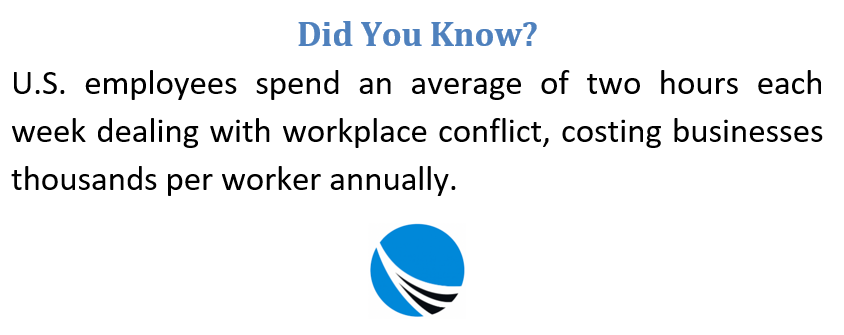
The effects of unresolved conflict ripple through an organization. Lost productivity, absenteeism, and turnover all increase when tensions aren’t addressed. A recent Workplace Peace Institute survey revealed that employees spend an average of two hours per week dealing with conflict. That translates to thousands of dollars per worker annually in wasted time.
While conflict can feel uncomfortable, avoiding it usually makes things worse. Quick, thoughtful resolution keeps minor issues from escalating into long-term disputes that damage culture and performance.
What Causes Workplace Conflict?
Workplace conflict arises when colleagues disagree because of clashing priorities, values, or behaviors. Common triggers include:
- Ambiguous job responsibilities or expectations
- Breakdowns in communication
- Uneven workloads or perceived unfairness
- Stress, burnout, or lack of resources
- Unprofessional behavior, bullying, or rudeness
- Poor leadership and unclear decision-making
- Differences in personality, culture, or values
Not all disagreements are harmful. Conflict can be healthy when it sparks dialogue and leads to better solutions. The danger arises when disputes become personal or persistent.
Frameworks for Understanding Conflict
Researchers have long studied how people approach conflict. One influential model is the Thomas-Kilmann Conflict Mode Instrument, which maps five conflict-handling styles along two dimensions: assertiveness (meeting one’s own needs) and cooperativeness (considering others’ needs).
- Competing: Pursuing personal goals at others’ expense, often through authority or persuasion.
- Collaborating: Working together to find win-win solutions that satisfy all parties.
- Compromising: Seeking middle ground by making mutual concessions.
- Avoiding: Steering clear of the conflict altogether, delaying or ignoring the issue.
- Accommodating: Putting others’ needs first to preserve harmony, even if it means personal sacrifice.
No one style is inherently right or wrong; the best approach depends on the situation. Leaders who understand these modes can adapt their response to resolve disputes more effectively.
Harvard’s Program on Negotiation has also advanced strategies for diagnosing and addressing disputes. Their work emphasizes designing systems that encourage fair processes, open communication, and creative problem-solving, rather than focusing only on outcomes.
Tips for Managing Workplace Conflict
Conflict management is about more than putting out fires—it’s about building a culture that encourages respect and constructive dialogue. Here are several strategies organizations can use.
Be Proactive
Anticipate areas where tension may arise and address them early. For example, if departments historically clash, organize cross-team activities that build relationships. The stronger the interpersonal ties, the less likely conflicts will spiral out of control.
Set Clear Standards
Employees should know exactly what behavior is expected in the workplace. Document guidelines in employee handbooks and review them regularly. Make sure expectations extend to remote and hybrid work environments as well. Enforcing rules consistently shows that leadership takes respectful conduct seriously.
Encourage Open Communication
Miscommunication is one of the biggest drivers of conflict. Training staff on clear, respectful communication can prevent misunderstandings. For remote teams, emphasize digital etiquette—timely responses, clear wording, and awareness of tone. Provide employees with effective communication tools and ensure they know how to use them well.
Choose the Right Timing
Resolving conflict too soon—when emotions are still high—can escalate the problem. At the same time, waiting too long allows resentment to fester. Leaders should assess when employees are calm enough to engage productively and schedule discussions accordingly.
Train Leaders to Handle Disputes
Many managers lack the skills or confidence to mediate conflict. Providing training on conflict resolution, discrimination, and harassment equips leaders to respond constructively rather than avoid problems. Well-prepared managers can de-escalate disputes before they disrupt the workplace.
Understand What’s at Stake
Every employee in conflict is asking, consciously or not: “What’s in it for me?” They may fear damage to their reputation, workload, or advancement. Effective conflict management involves uncovering these personal stakes and addressing them directly. When employees feel their concerns are understood, they are more open to compromise.
Turn Conflict into Growth
Handled thoughtfully, conflict can be a learning opportunity. Teams can reflect on what went wrong, what could have been done differently, and how to prevent similar disputes in the future. Framing conflict as a chance to improve systems and relationships helps reduce fear and defensiveness.

Types of Workplace Conflict
Not all conflicts are the same. Identifying the type helps determine the best response.
- Task conflict: Disagreements about processes, deadlines, or resources.
- Relationship conflict: Personal clashes rooted in personality differences or poor communication.
- Value conflict: Disputes over deeply held beliefs or ethics, often harder to resolve.
- Leadership conflict: Tensions arising from management styles or decision-making approaches.
- Work style conflict: Differences in preferred work habits, such as collaboration versus independence.
- Discrimination conflict: Unequal treatment based on protected characteristics, requiring immediate HR intervention.
Each type requires a tailored strategy. Task disputes might be solved through clearer processes, while relationship conflicts may benefit from mediation or coaching.
When to Escalate Conflict
Some conflicts require outside help. Knowing when to involve HR, mediators, or legal professionals is critical.
- HR intervention: Needed when policies are violated, performance is impacted, or a hostile environment emerges.
- Professional mediation: Helpful when internal attempts have failed or when power imbalances make resolution difficult.
- Legal consultation: Essential in cases of harassment, discrimination, threats of violence, or retaliation.
Early intervention can prevent costly legal battles and protect the company’s reputation.
The Consequences of Unresolved Conflict
When conflict lingers, the costs are steep. Employees may experience stress, anxiety, or health problems. Businesses suffer from lost productivity, customer dissatisfaction, damaged reputations, and higher turnover. In extreme cases, unresolved conflict can escalate into lawsuits, draining both financial and human resources.
Conversely, organizations that address conflict swiftly and fairly build cultures of trust and resilience. Employees feel safer voicing concerns, collaboration improves, and performance strengthens.
Final Thoughts
Conflict is part of any workplace, but it doesn’t have to be destructive. By understanding the causes, recognizing different types, and applying proven strategies, leaders can transform conflict from a liability into an opportunity for growth. A workplace that treats disagreements as chances to learn and improve will not only reduce stress but also cultivate innovation and stronger relationships.
Addressing conflict is not about eliminating differences but about managing them wisely. When organizations create systems that encourage fairness, communication, and respect, they lay the foundation for a healthier, more productive future.