

Organizations everywhere are under pressure to do more with fewer resources while still delivering excellent service. One strategy that has gained momentum across industries is business process outsourcing, often referred to as BPO. Instead of trying to manage every task internally, companies are increasingly relying on external specialists to handle specific functions. This shift is not just about cutting costs—it’s about improving efficiency, accessing expertise, and freeing up internal teams to focus on what truly drives growth.
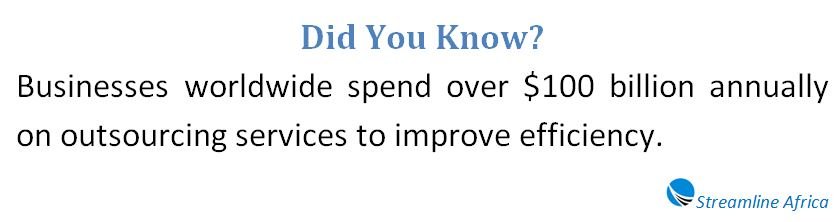
From startups to multinational corporations, BPO has become a widely accepted approach to managing operations. With global spending on outsourced services continuing to rise, it’s clear that this model is no longer a temporary fix but a long-term strategy. Understanding how it works, where it fits, and what to watch out for is essential for any business considering this path.
Understanding the Concept of BPO
At its core, business process outsourcing involves transferring certain business responsibilities to an external provider under a formal agreement. These providers specialize in managing specific operations, allowing businesses to delegate tasks that may be time-consuming or require specialized knowledge.
For instance, instead of maintaining an in-house payroll team, a company might hire an external provider to manage salary calculations, tax deductions, and employee payments. This provider takes full responsibility for the process, ensuring accuracy and compliance while the business focuses on its primary objectives.
BPO can cover a wide spectrum of activities. These are generally grouped into two broad categories: internal operations such as finance, accounting, and human resources, and customer-facing roles like technical support, marketing, and customer service. This flexibility makes outsourcing appealing to organizations looking to streamline both administrative and operational functions.

Types of Services Commonly Outsourced
The range of tasks that can be outsourced is extensive, but certain functions are particularly well-suited for BPO due to their repetitive nature or need for specialized expertise.
Talent Acquisition and Hiring Support
Recruitment can quickly become overwhelming, especially during periods of growth. Outsourcing this function allows businesses to rely on professionals who understand hiring trends, candidate screening, and interview processes. These providers can handle everything from drafting job descriptions to shortlisting candidates and even conducting preliminary interviews.
In addition, they often assist with background checks and compensation negotiations, ensuring that companies secure the right talent without overburdening their internal teams.
Employee Integration and Training
Bringing new employees into an organization requires careful coordination. External partners can manage onboarding processes by guiding new hires, setting up necessary tools, and ensuring they complete required training. This structured approach helps new employees adapt faster and feel supported from day one.
Payroll and Compensation Management
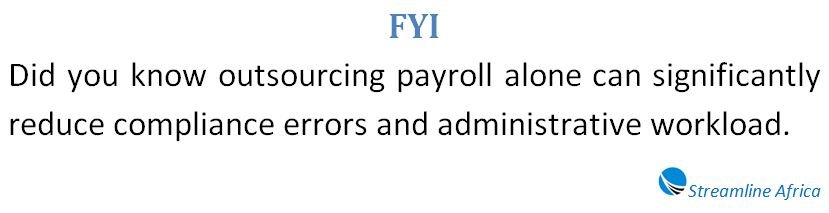
Handling payroll involves more than just paying salaries. It includes tracking work hours, managing deductions, ensuring tax compliance, and responding to employee inquiries. Outsourcing this function helps reduce errors and ensures that payments are processed accurately and on time.
Benefits Administration
Managing employee benefits can be complex, particularly during enrollment periods. BPO providers can oversee documentation, enrollment processes, and communication with employees. They also serve as a resource for answering questions about coverage options and eligibility, reducing confusion and administrative strain.
Regulatory Compliance and Documentation
Keeping up with changing regulations is a constant challenge. External specialists stay updated on legal requirements and ensure that all necessary documentation is completed correctly. This reduces the likelihood of costly mistakes and allows businesses to operate with greater confidence.
Workplace Conflict Resolution
Handling employee concerns requires sensitivity and fairness. Outsourcing this function can provide an unbiased perspective when addressing complaints or disputes. Professional investigators ensure that issues are handled thoroughly and in accordance with legal standards, helping maintain a healthy work environment.
Why Companies Turn to BPO
The growing popularity of outsourcing is driven by a range of tangible benefits that extend beyond simple cost reduction.
Lower Operational Costs
Maintaining a full in-house team for every function can be expensive. Salaries, training, infrastructure, and technology all add up. By outsourcing, businesses can access a team of experts without bearing the full cost of employing them directly. This allows for better budget management and scalability.
Access to Specialized Expertise
BPO providers are experts in their respective fields. They bring industry knowledge, proven processes, and advanced tools that may not be readily available within the organization. This expertise often leads to improved performance and more reliable outcomes.
Reduced Administrative Burden
Internal teams often spend a significant portion of their time on routine tasks. By delegating these responsibilities, businesses can reduce workload pressure and improve overall productivity. Employees can then focus on activities that require creativity, strategy, and decision-making.
Improved Strategic Focus
One of the most valuable advantages of outsourcing is the ability to shift attention toward long-term goals. When operational tasks are handled externally, leadership teams can concentrate on growth initiatives, innovation, and competitive positioning. This shift often leads to better alignment between daily operations and broader business objectives.
Challenges Associated with Outsourcing
While BPO offers many benefits, it is not without potential downsides. Businesses must carefully evaluate these risks before entering into any outsourcing arrangement.
Concerns About Data Security
Sharing sensitive information with an external provider introduces potential vulnerabilities. Employee records, financial data, and proprietary information must be protected at all times. Companies need to ensure that their partners have strong security protocols in place to prevent breaches.
Reduced Personal Interaction
Outsourcing certain functions, particularly those involving employee support, can create a sense of distance. Employees may feel less connected when dealing with external representatives instead of familiar internal staff. This can impact trust and satisfaction if not managed properly.
Loss of Direct Control
Working with an external provider often means adapting to their systems and processes. While this can bring efficiency, it also requires businesses to relinquish some control over how tasks are executed. Clear communication and mutual understanding are essential to maintain alignment.
How to Select the Right Outsourcing Partner
Choosing a BPO provider is a critical decision that can significantly impact business performance. A thoughtful and structured approach can help ensure a successful partnership.
Identify Your Priorities
Before reaching out to potential providers, businesses should clearly define which functions they want to outsource. Understanding internal needs and expectations makes it easier to find a partner that aligns with those goals.
Compare Multiple Options
Requesting proposals from several providers allows businesses to evaluate pricing, service offerings, and contract terms. This comparison helps identify the best fit in terms of both cost and capability.
Seek Feedback from Other Clients
Reputation matters when selecting a partner. Speaking with existing or past clients can provide valuable insights into the provider’s reliability, responsiveness, and quality of service.
Review Agreements Carefully
Contracts should clearly outline responsibilities, performance expectations, and dispute resolution processes. Taking the time to review these details helps prevent misunderstandings later on.
Evaluate Communication and Support
The way a provider communicates during the selection process often reflects how they will perform in the long run. Prompt responses and clear communication are strong indicators of a reliable partner.
Common Questions About BPO
Many businesses have similar concerns when exploring outsourcing for the first time. Addressing these questions can provide clarity and confidence.
Where to Find Reliable Providers
BPO services are available worldwide, with providers specializing in various industries and functions. Some companies focus exclusively on outsourcing, while others offer it as part of a broader service portfolio. Research, referrals, and industry networks are common ways to identify reputable options.
Distinguishing BPO from General Outsourcing
Although the terms are often used interchangeably, they are not identical. Outsourcing is a broad concept that involves delegating tasks to external parties. BPO, on the other hand, refers specifically to outsourcing entire business processes or functions rather than individual tasks.
Real-World Applications
A common example of BPO is outsourcing customer support operations. In such cases, an external provider may establish and manage a call center, hire and train staff, and handle customer interactions across multiple channels. This allows businesses to offer continuous support without building the infrastructure themselves.
Making the Most of Outsourcing
For businesses facing increasing workloads or limited resources, BPO can provide a practical solution. It offers flexibility, efficiency, and access to expertise that might otherwise be out of reach. However, success depends on careful planning and ongoing collaboration.
Outsourcing is not a one-size-fits-all approach. Some organizations benefit greatly from it, while others may prefer to keep certain functions in-house. The key is to evaluate your unique needs, weigh the advantages against the potential risks, and choose a strategy that aligns with your long-term goals.
When implemented thoughtfully, BPO can transform the way a business operates. It enables companies to focus on what they do best while entrusting specialized tasks to capable partners. In an increasingly competitive environment, this balance can make a meaningful difference in achieving sustainable growth.
Frequently Asked Questions
What does Business Process Outsourcing really mean?
Business Process Outsourcing is when a company hires an external provider to handle specific operations instead of managing them internally.
Why do companies choose to outsource their processes?
Businesses outsource to reduce costs, improve efficiency, and gain access to specialized skills they may not have in-house.
Which business functions are commonly outsourced?
Tasks like recruitment, payroll, customer service, compliance, and employee onboarding are often handled by BPO providers.
How does BPO help improve productivity?
By shifting routine tasks to external experts, internal teams can focus on strategic work that drives growth and innovation.
Is outsourcing only suitable for large companies?
No, both small and large businesses can benefit from BPO depending on their needs and available resources.
What are the main financial benefits of BPO?
Outsourcing reduces expenses related to hiring, training, infrastructure, and technology, helping companies manage budgets better.
Can outsourcing affect employee experience?
Yes, if not managed well, employees may feel disconnected when dealing with external providers instead of internal teams.
What risks should businesses consider before outsourcing?
Key concerns include data security, loss of control, and potential communication gaps with third-party providers.
How can a company choose the right BPO partner?
By assessing needs, comparing vendors, checking references, and reviewing contracts carefully before making a decision.
What is the difference between outsourcing and BPO?
Outsourcing is a broad concept, while BPO specifically refers to delegating entire business functions to an external provider.
Is BPO a long-term strategy or a temporary solution?
For many companies, BPO becomes a long-term strategy that supports scalability and operational efficiency.