
Inside every organization, there is a financial engine that keeps daily operations running smoothly. While external financial reports often receive the most attention, much of the real decision-making depends on internal accounting work. Administrative accounting fills this role by supplying managers with timely, detailed financial information that helps them plan, monitor, and control business activities. Rather than focusing on investors or regulators, it exists to support internal leadership and operational efficiency.
Administrative accounting is less about publishing formal statements and more about ensuring that processes, people, and resources are aligned with organizational goals. It translates raw financial data into practical insights that managers can use immediately.
Defining Administrative Accounting in Plain Terms
Administrative accounting refers to the internal accounting activities that support management decisions and operational oversight. Its primary objective is to help leaders understand what is happening inside the organization on a day-to-day basis and to provide the data needed to make informed choices.
Professionals in this field track income and expenses, manage payroll, oversee asset usage, and monitor cash movement. They also ensure that routine financial obligations, such as tax filings and vendor payments, are handled accurately and on time. Unlike accounting aimed at external audiences, administrative accounting is flexible and customized to the organization’s internal needs.
How Administrative Accounting Supports Management
At its core, administrative accounting is a management support function. It provides structured information that allows leaders to evaluate performance, allocate resources, and anticipate future challenges. Without this internal visibility, managers would be forced to rely on intuition rather than evidence.
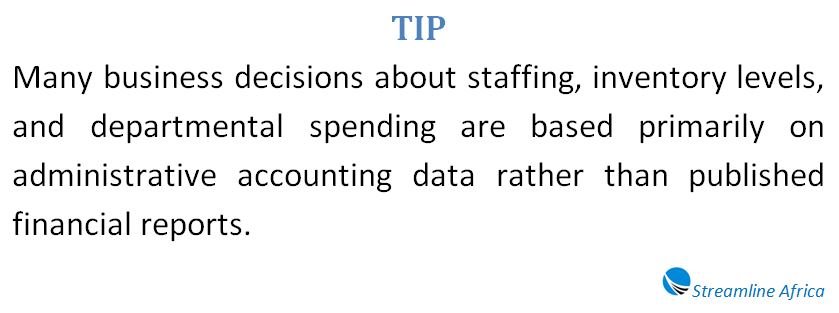
Administrative accountants prepare internal reports that may be generated daily, weekly, or monthly. These reports highlight spending patterns, departmental performance, inventory levels, and cash availability. By reviewing this information regularly, management can identify inefficiencies early and take corrective action before small issues become major problems.

Core Responsibilities of Administrative Accountants
Administrative accountants typically handle a broad range of financial duties that touch many parts of the organization. One of their most visible responsibilities is payroll administration. This includes calculating wages, withholding appropriate taxes, managing benefit deductions, and ensuring employees are paid accurately and on schedule.
Bookkeeping is another key task. Administrative accountants record financial transactions, reconcile accounts, and maintain organized records that reflect the company’s financial activity. Accurate bookkeeping provides the foundation for all other accounting functions and ensures that internal reports are reliable.
Inventory and asset management also fall under administrative accounting. This involves tracking physical assets, monitoring inventory levels, and ensuring that company resources are used efficiently. In many organizations, administrative accountants also assist with tax planning and compliance, helping the business meet its obligations while avoiding unnecessary costs.
Budgeting and Financial Planning at the Department Level
Budgeting is one of the most strategic aspects of administrative accounting. Instead of producing a single high-level budget for the entire organization, administrative accountants often work with individual departments to develop detailed spending plans. These budgets reflect operational realities and align financial resources with specific objectives.
Once budgets are approved, administrative accountants monitor actual spending against planned figures. Variances are analyzed and reported to management, allowing leaders to understand why costs differ from expectations. This ongoing budget oversight helps prevent overspending and supports responsible financial management across the organization.
The Relationship Between Administrative and Managerial Accounting
Administrative accounting is closely related to managerial accounting and is sometimes considered part of it. Both focus on internal users and decision-making rather than external reporting. However, administrative accounting tends to emphasize execution and process, while managerial accounting often concentrates on analysis and strategy.
Administrative accountants are more likely to be involved in routine operations such as payroll processing, vendor payments, and recordkeeping. Managerial accountants, on the other hand, may focus more on cost analysis, performance measurement, and long-term planning. Together, these functions ensure that management has both accurate data and meaningful insights.
Administrative Accounting Versus Financial Accounting
One of the clearest ways to understand administrative accounting is by comparing it to financial accounting. Financial accounting is designed to produce standardized reports, such as income statements and balance sheets, for external stakeholders. These reports must comply with established accounting standards and are typically prepared on a quarterly or annual basis.
Administrative accounting operates differently. It does not follow formal reporting standards and is not intended for external audiences. Instead, it focuses on specific activities, departments, or processes within the organization. Reports are customized, frequent, and practical, often emphasizing operational details rather than overall financial position.
Standards, Certifications, and Career Paths
Because administrative accounting is internally focused, it is not governed by the same strict standards as financial accounting. There is no requirement to follow generally accepted accounting principles when preparing internal reports. This flexibility allows organizations to design reporting systems that fit their unique needs.
In terms of professional credentials, administrative accountants may pursue certifications that emphasize management and operational expertise. While financial accountants often hold public accounting licenses, those working in administrative roles may seek credentials related to management accounting or business operations. Compensation levels can vary, with financial accounting roles often commanding higher salaries due to regulatory responsibilities and external accountability.
The Operational Nature of Administrative Accounting
Administrative accounting sits at the intersection of finance and operations. Professionals in this field frequently collaborate with human resources, procurement, and department managers. Their work supports everyday activities such as approving expense reports, reconciling vendor accounts, and processing payments.
They may also assist with compliance-related tasks, such as preparing tax forms for contractors or supporting external audits. Although these tasks are not always visible to senior leadership, they are essential for maintaining financial stability and organizational trust.
A Realistic Workplace Scenario
Consider a mid-sized manufacturing company with multiple departments and a diverse workforce. An administrative accountant in this organization is responsible for ensuring that employees are paid accurately, benefits are deducted correctly, and payroll taxes are submitted on time. Any error in this process could affect employee morale and expose the company to penalties.
Beyond payroll, the same accountant tracks daily expenses, records incoming revenue, and reconciles accounts at the end of each week. They also participate in budget meetings, working with department heads to allocate funds and monitor spending throughout the year. When management needs to understand why costs are rising in a particular area, the administrative accountant provides the data and context needed to make informed decisions.
Why Administrative Accounting Matters
Administrative accounting may not generate headlines, but it plays a critical role in organizational success. By providing accurate, timely information, it enables managers to operate efficiently and respond quickly to changing conditions. It also ensures that routine financial processes are handled consistently and transparently.
Without administrative accounting, businesses would struggle to maintain control over their operations. Decisions would be delayed, resources could be misallocated, and small errors might go unnoticed until they cause significant damage. This internal accounting function acts as a safeguard, keeping the organization aligned with its financial and operational goals.
Closing Perspective
Administrative accounting is the backbone of internal financial management. It focuses on processes, people, and daily activities rather than external reporting or regulatory compliance. Through tasks such as payroll management, bookkeeping, budgeting, and asset tracking, it supports informed decision-making and operational control.
While it differs from financial accounting in scope and standards, administrative accounting is equally essential. It ensures that managers have the information they need to guide the organization effectively and sustainably. In practice, it is the quiet discipline that turns financial data into actionable insight and keeps the business running smoothly.