

Every business faces moments when finances are stretched, and difficult decisions need to be made. Restructuring, though often intimidating, can be the turning point that saves a company from decline and sets it on a healthier, more sustainable path. Rather than seeing it as a sign of failure, it should be approached as an opportunity to reimagine operations, strengthen resilience, and prepare for the future.
At its core, restructuring is about clarity. It forces business leaders to examine what’s working, remove what isn’t, and ensure that resources are directed where they can have the most impact. By taking a deliberate approach, you can transform short-term cash stress into long-term stability.

Taking a Hard Look at Your Business
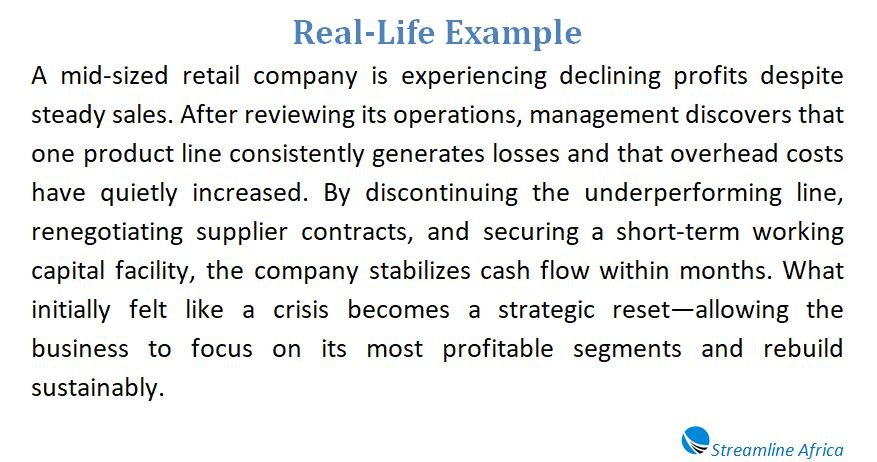
The first step in restructuring is an honest evaluation of your entire operation. It’s easy to become attached to products, services, or departments, but sentimentality can cloud judgment. Use facts and figures as your guide, not personal preferences. Look at sales data, profit margins, and growth trends for each area of the business.
If some areas consistently drain resources without showing signs of improvement, it may be time to scale them back or phase them out. Running separate financial statements for each division can reveal which areas are carrying the company and which ones are dragging it down. Sometimes, shutting down a non-performing segment can free up the cash needed to strengthen other areas that are thriving.
When you do decide to make cuts, it’s important to handle the process with care. Reducing or eliminating certain functions can disrupt employees and customers if not managed thoughtfully. Clear communication, proper planning, and compliance with regulations help ensure a smoother transition.
Finding Funds to Support Change
Restructuring often requires investment, whether to cover temporary losses, fund new initiatives, or manage the transition. Relying solely on existing cash flow might not be realistic, so securing external funding becomes essential.
Governments sometimes offer grants or low-interest loans aimed at businesses undergoing changes. Exploring these programs can provide breathing space while you realign operations. In addition, traditional lenders or alternative finance providers may have restructuring-specific products that can help bridge the gap.
If borrowing isn’t enough, revisit your cash management strategies. Negotiating extended payment terms with suppliers, tightening control over receivables, or selling unused assets can all release funds. By improving liquidity, you create the flexibility needed to invest in restructuring without jeopardizing day-to-day operations.
Working Together to Grow Stronger
Restructuring doesn’t have to mean going it alone. Collaborating with other businesses can open new opportunities that reduce costs and expand reach. For example, partnerships can allow companies to share resources, pool expertise, or access new customers.
One practical advantage of collaboration is the ability to reduce overhead. By joining forces on purchasing, distribution, or even marketing, businesses can lower costs and increase efficiency. Partnerships can also give smaller companies the credibility or capacity needed to take on larger projects that would otherwise be out of reach.
The right collaboration is more than just a financial arrangement—it’s about mutual growth. When businesses complement each other’s strengths, they create innovative solutions and expand opportunities for both parties.
Building a Leaner, More Resilient Business
The ultimate purpose of restructuring is to create an organization that can withstand uncertainty and thrive in changing markets. This often means streamlining processes, focusing on core offerings, and cutting back on unnecessary complexity.
A leaner operation doesn’t necessarily mean doing less—it means doing the right things more effectively. When resources are concentrated on the strongest parts of the business, efficiency improves and the organization becomes better prepared to respond quickly to economic or industry shifts.
Resilience also comes from clarity of direction. By defining a clear strategy and aligning the business around it, you reduce distractions and keep the team focused on priorities that truly matter.
Considering a Merger or Acquisition
Sometimes, despite best efforts, restructuring from within isn’t enough. In such cases, merging with another company or accepting acquisition can be practical options. These routes are not signs of defeat—they are strategic moves that can secure a company’s future.
A merger can combine two businesses with complementary strengths, creating a stronger, more competitive organization. For instance, a retailer struggling with supply chain issues might merge with a logistics provider, creating a seamless operation that benefits both sides.
Acquisition, on the other hand, allows a smaller company to tap into the resources of a larger one. A business with innovative products but limited market reach may thrive when acquired by a company with a strong distribution network and established customer base.
Both options require careful consideration. Cultural fit, shared goals, and aligned values are as important as financial terms. Professional advisors can play a critical role in ensuring that negotiations are fair, compliant, and beneficial for all stakeholders.
Leading Through Change
Restructuring is rarely easy on the people involved. Employees may feel anxious about their roles, and customers may worry about disruptions to service. Leaders must handle this period with empathy, honesty, and transparency. Communicating clearly about the reasons for restructuring and the steps being taken can help build trust and reduce uncertainty.
Strong leadership also involves making tough decisions decisively. Delaying necessary changes often prolongs financial strain and increases risk. By acting with both compassion and clarity, leaders can guide their teams through restructuring with a sense of purpose.
A Chance to Redefine the Future
Although restructuring is often triggered by financial stress, it can be far more than a survival tactic. It provides a chance to redesign the business for future success. Cutting away inefficiencies, securing funding, and pursuing strategic partnerships create space for innovation and growth.
When handled well, restructuring can turn a business into a stronger, leaner, and more adaptable version of itself. It allows leaders to clarify their priorities, sharpen their strategies, and prepare for long-term success rather than short-term fixes.
Conclusion: Turning Challenge Into Opportunity
Cash stress can feel overwhelming, but it doesn’t have to spell the end of a business. Restructuring offers a pathway to stability by focusing on what matters most, letting go of what doesn’t, and building a company that’s better prepared for the future.
Whether it means cutting underperforming divisions, securing new funding, collaborating with partners, or even merging with another company, restructuring is ultimately about creating resilience. With careful planning, open communication, and the right support, businesses can emerge from restructuring not just leaner, but stronger and more capable of achieving long-term growth.