
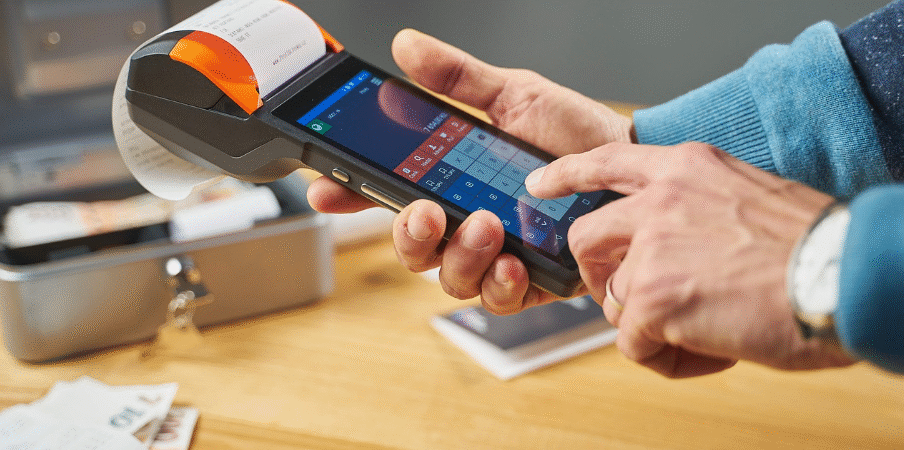
In many commercial exchanges—especially those involving distance, uncertainty, or unfamiliar trading partners—sellers sometimes insist that buyers settle their invoices before anything is shipped. This approach, known as cash in advance, places financial responsibility on the buyer upfront and removes nearly all risk that the seller will not be paid. Despite its simplicity, businesses use the model selectively, balancing the need for security with market competitiveness and customer expectations. While it offers peace of mind to sellers, it can complicate budgeting and cash flow planning for buyers, which is why it is not universally applied across industries.
Why Sellers Rely on Upfront Payments
The core purpose of requiring advance payment is to safeguard the seller from credit losses. When goods are shipped across borders, through lengthy supply chains, or to new customers with little transactional history, the potential for non-payment grows. Asking for full payment before dispatching the product removes uncertainty. For sellers, especially those that operate on thin margins or with limited working capital, avoiding bad debt can be the difference between profitability and strain.
Yet the mechanism is far from neutral. Buyers must shoulder financial risk because they pay without seeing the product, and they lose the protection that comes with post-delivery payment terms. Because of this, companies with stronger bargaining power, brand credibility, or loyal customer bases are more likely to request cash in advance without jeopardizing sales. Small or unproven sellers may hesitate, fearing that requiring prepayment could drive buyers elsewhere.
How Cash in Advance Operates in Practice
In a typical arrangement, the buyer completes payment—sometimes the full amount, sometimes a substantial portion—before the seller begins preparing the shipment. Once the transfer is confirmed, logistics procedures begin. Payment is usually made electronically through bank transfers, online gateways, or card payments. In more traditional contexts, cash on delivery may exist, but this is a hybrid model where payment happens immediately before ownership changes hands, not after an extended grace period.
Advance payment terms are most common when a physical exchange does not occur at the time of purchase. For instance, in online retail or global trade, buyers and sellers operate in separate locations, often across countries. The absence of in-person interaction elevates the perceived risk and increases reliance on secure payment structures.
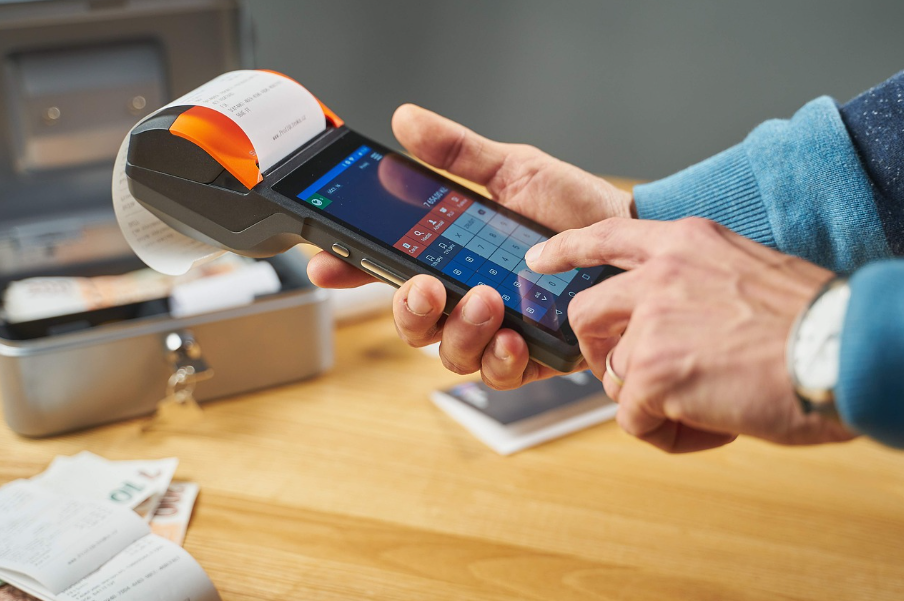
Why Online Marketplaces Frequently Use Upfront Payments
Digital marketplaces have normalized paying first and receiving later. Retailers such as large chain stores operate on well-established reputations that give buyers confidence. Consumers generally do not hesitate when paying before shipping because they trust that the platform—or the brand behind it—will honor its commitment.
However, the sense of security varies depending on the transparency and size of the business. Marketplaces that host thousands of independent sellers introduce greater complexity. Buyers cannot individually assess the reliability of each seller, so platforms intervene with built-in protection systems.
Platform Guarantees and Their Importance
Because of the risk inherent in open marketplaces, many e-commerce giants provide buyer protections that act as soft alternatives to cash in advance insurance. These systems function as guarantees that allow the customer to request a refund if goods do not arrive or arrive in unacceptable condition. The platform essentially mediates disputes and may reimburse the buyer even when the seller fails to resolve the issue.
These safeguards enable online ecosystems to flourish. Sellers still benefit from receiving money early, but buyers gain reassurance that they are not financially stranded should something go wrong. Without such mechanisms, fewer customers would be comfortable paying upfront, and digital marketplaces would face significant barriers.
Why International Sellers Often Prefer Advance Payment
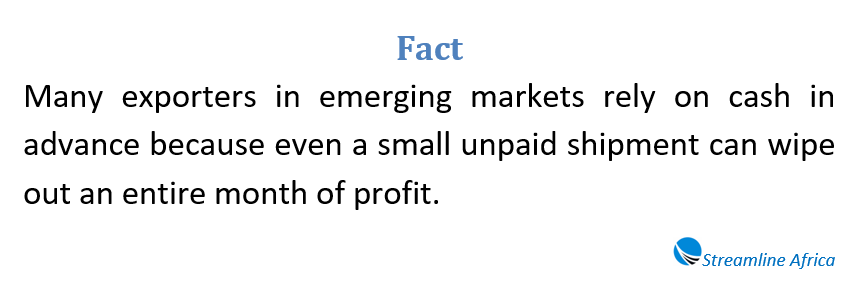
Studies in global trade consistently show that cross-border transactions contain heightened financial and logistical uncertainties. Transport delays, customs challenges, irregular communication, and differing legal systems create opportunities for misunderstanding and default. For many exporters, especially those with narrow profit margins, unpaid shipments can turn into substantial losses.
Smaller exporters are particularly dependent on cash in advance because they may lack a large credit management team, dispute resolution specialists, or a diversified portfolio to absorb losses. Larger corporations, in contrast, may offer more flexible payment terms because they can spread risk across many clients and maintain dedicated credit-control processes.
Alternatives That Offer Protection Without Full Prepayment
Although paying upfront is standard in consumer e-commerce, it is less practical in business-to-business settings. For companies managing ongoing production cycles, paying full cost before receiving goods can strain liquidity. Suppliers who insist on strict advance payment may struggle to compete against those offering more accommodating terms. To remain attractive while still safeguarding themselves, many businesses introduce alternative instruments designed to share risk more equitably.
One of the most established of these instruments is the letter of credit—a banking tool that promises payment to the seller, provided specific conditions outlined in the trade contract are fulfilled.
How Letters of Credit Reduce Transaction Risk
A letter of credit is essentially a commitment from a financial institution stating that it will pay the seller once documentary proof of shipment or contract performance is provided. This framework reassures sellers because payment no longer depends solely on the buyer’s solvency or willingness to pay. Instead, the bank steps in as a reliable intermediary.
Letters of credit can be structured in two ways. In a funded version, the bank sets aside the required funds in an account, ready to be released once conditions are met. This resembles an escrow arrangement in which money is secured in advance. In an unfunded version, the bank does not set aside funds but promises to pay if the buyer cannot do so at the designated time. Both formats may involve interest when credit is extended to the buyer.
This structure creates a middle ground: sellers gain a financial guarantee, while buyers do not face the full cash drain of paying long before receiving goods.
Other Payment Structures in International Transactions
Across global markets, businesses combine various billing and credit-management tools to maintain financial stability. Many rely on invoice terms that require payment within a set number of days—such as 30, 45, or 60 days—after goods arrive. When credit risk is a concern, companies may tighten payment windows or add late payment charges to encourage timely settlement.
Businesses with dedicated accounts receivable teams may use internal resources to chase overdue bills or enlist external agencies when necessary. Legal action remains an option when contractual obligations are ignored, though it can be time-consuming and costly. Because of these challenges, many organizations continually reassess payment structures to strike a balance between competitiveness and protection.
Meanwhile, technological innovations in financial services are transforming how cross-border payments and supply chain financing operate. New digital tools improve tracking, authentication, and dispute handling. These advancements help reduce the uncertainties historically associated with long-distance trade.
Balancing Risk and Opportunity
Requiring cash in advance is a strategic choice. While it strengthens the seller’s position by eliminating the possibility of non-payment, it introduces practical burdens for buyers and may narrow the seller’s potential market. Businesses must evaluate their industry norms, customer profiles, and operational resilience before deciding whether to impose such terms.
For many sellers, a mixed approach—combining advance payments for high-risk clients with more flexible arrangements for trusted partners—offers the most practical solution. Ultimately, payment terms should support the wider commercial strategy, encourage sustainable trading relationships, and manage risk without undermining competitiveness.
Frequently Asked Questions
What does cash in advance really mean for a business?
It means the seller requires full or partial payment before shipping goods. This removes the risk of unpaid invoices but can create cash flow pressure for buyers who prefer paying after delivery.
Why do some sellers insist on advance payment?
Sellers use it to avoid credit losses, especially when dealing with new customers, high-risk markets, or international shipments where enforcing payment would be difficult.
Is cash in advance risky for buyers?
Yes. Buyers pay before receiving anything, which exposes them to potential scams, shipping delays, or disputes. That’s why buyers usually prefer alternative terms or financial guarantees.
Are cash in advance payments common in online shopping?
They are standard in e-commerce. Consumers pay first because digital platforms offer strong protections, transparent tracking, and automated refund systems that minimize risk.
How does an online marketplace reduce buyer concerns?
By offering refund guarantees, dispute resolution teams, and platform-backed assurances. These protections encourage buyers to pay upfront with confidence.
Why is cash in advance widely used in international trade?
Cross-border exchanges involve logistical uncertainties, currency risk, customs delays, and unfamiliar partners. Sellers rely on advance payments to avoid unpaid shipments.
What alternatives exist when buyers cannot pay upfront?
Buyers and sellers can use letters of credit, structured invoicing terms, installment plans, or shared-risk arrangements that provide more balance and flexibility.
How does a letter of credit work?
A bank guarantees that the seller will be paid once specific shipping or documentation requirements are met. This shifts the trust from the buyer to a financial institution.
What is the difference between funded and unfunded letters of credit?
A funded letter of credit secures the buyer’s money in advance, while an unfunded one is simply a promise from the bank to pay if the buyer fails to meet obligations.
Do late payment penalties help reduce risk?
Yes. Adding interest or penalties for overdue invoices encourages prompt payment and helps businesses manage their receivables more effectively.
How do small businesses handle credit risks differently from larger firms?
Small businesses often lack robust credit departments and cannot absorb large write-offs, so they rely more on advance payments or strict invoicing terms.
Are new technologies improving global payment security?
Absolutely. Fintech tools now enhance tracking, authentication, and cross-border payment speed, making long-distance trade safer and more efficient for both parties.