
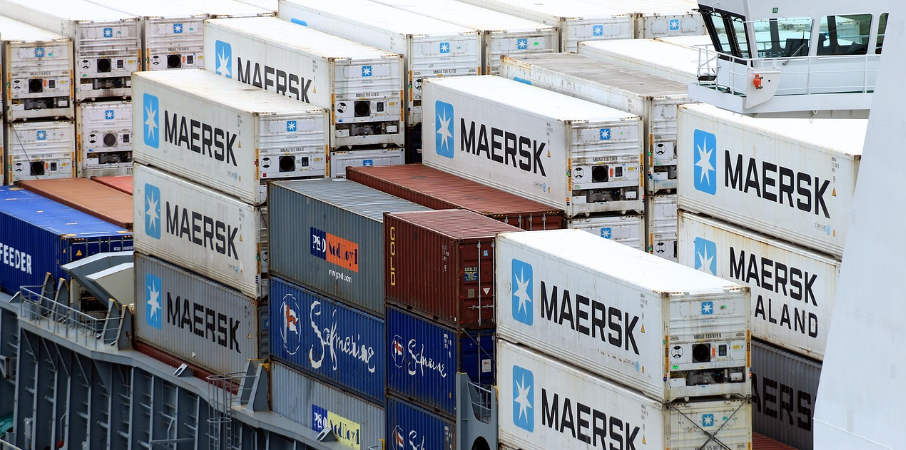
In international trade, one of the most practical and widely adopted shipping terms is Cost, Insurance, and Freight (CIF). It defines who pays for what during overseas transportation and when the risk of loss shifts between the seller and buyer. Under CIF, the seller handles the cost of transporting goods by sea, pays for insurance, and arranges freight up to the destination port. Once the goods are safely loaded onto the ship, ownership and risk of damage or loss transfer to the buyer.
CIF is part of a standardized system known as Incoterms—rules developed by the International Chamber of Commerce (ICC) to bring global consistency to trade contracts. These rules help prevent misunderstandings between buyers and sellers operating across different legal systems.
How CIF Works in International Shipping
CIF only applies to goods moved over water—whether by ocean or inland waterways. It doesn’t apply to air, rail, or road transport. A CIF agreement outlines who covers each portion of the cost, from packaging and freight to insurance and import duties.
Once a CIF contract is agreed upon, the seller takes responsibility for getting the goods to the ship, ensuring they are insured and paying for their shipment to the buyer’s port. The buyer, meanwhile, assumes the risk once the cargo is loaded on the vessel. Though the seller pays for insurance and freight, the buyer must file any insurance claims if damage occurs during the journey.
This shared arrangement helps streamline global trade, particularly for buyers who prefer the seller to manage shipping logistics.
Seller’s Duties Under CIF
The seller’s obligations under CIF are extensive and clearly outlined in the contract. The seller must ensure that the goods are ready for export, legally compliant, and packaged appropriately for sea transport. Typical seller duties include:
- Securing export licenses and necessary documentation
- Covering the costs of inspection, packaging, and labeling
- Paying for loading and transporting the goods to the port of shipment
- Bearing all export duties, customs clearance fees, and taxes
- Paying the freight and marine insurance until the shipment reaches the buyer’s port
- Providing proof of shipment (such as a bill of lading)
In simple terms, the seller handles nearly everything until the goods arrive at the buyer’s destination port. Once the cargo is on board, however, the risk of damage or loss moves to the buyer, even though the seller continues to pay for insurance and freight.

Buyer’s Duties Under CIF
The buyer’s responsibilities begin once the cargo arrives at the destination port. From that point onward, the buyer takes over logistical and financial obligations such as unloading, customs clearance, and inland transportation. Their duties often include:
- Paying import duties, local taxes, and inspection fees
- Covering the cost of unloading and storage at the port terminal
- Transporting goods from the port to the final warehouse or business location
- Filing insurance claims if the goods are damaged during the voyage
Although the seller provides insurance, it is the buyer who must communicate with the insurer and pursue any claim if the cargo suffers damage or loss at sea.
Risk and Cost Transfer Explained
One unique aspect of CIF is that risk and cost do not transfer at the same moment. The seller bears the costs until the goods reach the buyer’s port, but the risk moves to the buyer as soon as the goods are loaded on the ship.
For example, if the goods are damaged mid-voyage, the buyer—not the seller—must file an insurance claim. This distinction ensures both parties understand their financial exposure. Sellers manage logistics and insurance up to the port, while buyers handle import processes and potential losses once shipping begins.
However, CIF isn’t ideal for all shipments. If goods are stored in a container terminal for days before loading, the risk may already be with the buyer, even though the goods haven’t left the seller’s country. In such cases, another term like Carriage and Insurance Paid To (CIP), which applies to multiple transport modes, might be more suitable.
CIF vs. CFR and the Role of Incoterms
CIF is often compared with Cost and Freight (CFR). The difference lies in insurance coverage: under CFR, the seller is not obligated to insure the goods. With CIF, the seller must provide marine insurance up to the destination port, giving the buyer an extra layer of protection.
The ICC first introduced Incoterms in 1936 and continues to update them to reflect modern shipping practices. The most recent update, Incoterms 2020, expanded security and insurance requirements. Under these new guidelines, sellers must now arrange broader insurance coverage than before to safeguard the buyer’s interest.
These standardized terms help global traders avoid costly misunderstandings and disputes over who is responsible for what during transport.
CIF vs. Free on Board (FOB)
Both CIF and Free on Board (FOB) are crucial to maritime trade, but they differ in how costs and risks are distributed. Under FOB, the seller’s duty ends once the goods are safely loaded on the vessel. After that point, the buyer assumes all shipping costs, insurance, and risks.
In contrast, CIF keeps the seller responsible for freight and insurance until the goods reach the buyer’s port. The buyer still bears the risk once the cargo is loaded, but the seller continues to manage the cost of transportation and insurance.
To illustrate: a cocoa exporter in Côte d’Ivoire selling to a distributor in Spain under FOB terms would only pay to get the shipment on the vessel at Abidjan Port. The Spanish buyer would then handle freight, insurance, and customs costs. Under CIF, however, the exporter would pay for shipping and insurance all the way to Valencia, although the risk would shift to the buyer once the goods left Abidjan.
This distinction often depends on bargaining power and experience—large importers may prefer FOB for more control, while smaller buyers might choose CIF for convenience.
Example of CIF in Practice
Let’s imagine a Kenyan agricultural supplier, GreenGrow Exports, sells 750 irrigation pumps to a retailer in Egypt, NileAgro Ltd, under CIF terms. The total shipment value is $150,000. GreenGrow arranges insurance worth $160,000 and covers all freight costs from Mombasa Port to Alexandria.
Once the cargo is loaded onto the vessel in Mombasa, ownership and risk transfer to NileAgro. During the journey, rough seas damage 50 pumps worth $10,000. Because the CIF agreement requires insurance, NileAgro files a claim with GreenGrow’s insurer and receives compensation for the loss.
After the ship docks in Alexandria, NileAgro pays import duties, offloads the cargo, and transports it to its warehouse in Cairo. The CIF structure ensures that the buyer receives protection while freeing them from managing complex shipping logistics.
When CIF Works Best
CIF is most useful when the buyer prefers the seller to handle transportation and insurance arrangements. It’s ideal for importers who may not have the experience or capacity to manage international freight logistics. However, since the risk shifts early in the process, buyers should always confirm that the seller’s insurance policy offers adequate coverage.
CIF is limited to waterborne transport—it does not apply to air, rail, or truck shipments. For multimodal transport, buyers and sellers should consider Incoterms like CIP (Carriage and Insurance Paid To) or Delivered Duty Paid (DDP) instead.
Conclusion
Cost, Insurance, and Freight (CIF) remains a cornerstone of maritime commerce. It specifies exactly who pays for shipping, insurance, and freight while clarifying when risk transfers between seller and buyer. Under CIF, the seller arranges shipment, covers insurance, and pays freight until the goods arrive at the buyer’s port, but the buyer takes on the risk once the cargo is loaded.
For businesses trading across oceans—from coffee exporters in Kenya to machinery manufacturers in Germany—CIF offers predictability, transparency, and protection. By ensuring goods are insured and shipped efficiently, it continues to facilitate smooth global trade while balancing trust and responsibility on both sides of the deal.