
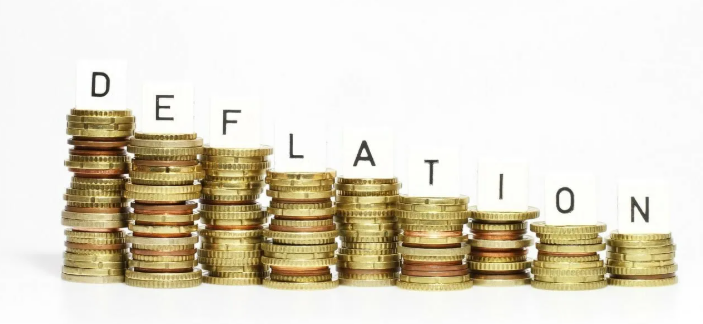
Deflation describes a general decline in prices for goods and services across an economy. Unlike inflation—which pushes prices upward—deflation means the same amount of money can buy more over time. This shift can occur for various reasons: advances in productivity that make production cheaper, a significant increase in the availability of goods, a drop in overall consumer demand, or a reduction in the money and credit circulating in the system.
At first glance, falling prices seem like a win for consumers. Their purchasing power rises, meaning wages stretch further. However, in certain circumstances—particularly when an economy is burdened with high levels of debt—deflation can also be a signal of economic trouble, sometimes preceding recessions or financial crises.
Measuring Deflation in the Economy
Most countries track changes in consumer prices using a price index. In the United States, the Consumer Price Index (CPI) serves as a key gauge. This index measures the cost of a “basket” of common goods and services over time. When the CPI falls compared to the previous period, it reflects a general decline in price levels.
A modest drop in prices can actually stimulate spending—especially when it’s limited to essentials like energy or food—because people can afford more without increasing their income. When the decline is broad and steady, it can enhance the role of money as a store of value, promote saving, and even support economic stability.
Still, there’s a tipping point. In a debt-dependent economy, rapid price decreases can trigger a cycle known as debt deflation, where falling prices and shrinking credit supplies feed into each other, deepening an economic slowdown.
The Forces Behind Deflation
One way to think about the difference between inflation and deflation is through the lens of supply and demand for money and goods. Inflation often stems from “too much money chasing too few goods.” Deflation, by contrast, can occur when there’s an abundance of goods and services compared to the amount of money in circulation, or when the supply of money and credit slows or contracts.
Several positive forces can bring about deflation, such as technological advancements, resource discoveries, or productivity improvements. These developments allow businesses to produce more with less, lowering costs and ultimately passing some of those savings to consumers through reduced prices.
As productivity grows, so does the real value of wages. Households find they can buy more and better-quality goods and services, raising living standards without requiring higher nominal incomes.
The Consumer Response
A common worry among economists is that if prices keep falling, consumers might delay purchases in anticipation of even lower prices, reducing demand and slowing economic activity. While this “wait-and-see” effect can occur in extreme cases, evidence suggests it’s rare when deflation is driven by positive trends like technological progress.
Most spending in modern economies goes toward goods and services that can’t be postponed indefinitely—housing, food, transportation, healthcare, and clothing. Even for discretionary purchases, most people tend to value immediate use over waiting for marginally better prices, unless the expected price drop is substantial.
One area where deflation can create hesitation is in purchases that require large loans, such as homes or vehicles. Because deflation increases the real value of fixed debt, borrowers may be more cautious, knowing their repayment burden will effectively grow over time.
When Deflation Turns Harmful
The picture changes when deflation occurs alongside economic stress. In financial systems where credit fuels most economic activity, central banks and lenders often keep expanding money and credit supplies to maintain growth. While this can boost asset prices and investment, it can also lead to speculative excess.
In these scenarios, businesses and households increasingly rely on borrowed funds instead of savings. Investors may shift focus from creating value through goods and services to betting on rising asset prices. Interest rates are often kept artificially low to encourage borrowing, further inflating the cycle.
When an economic shock hits or interest rates rise, overleveraged borrowers can struggle to meet obligations. Defaults increase, forcing lenders to write off bad debts. As banks pull back lending and depositors withdraw funds, liquidity dries up. The contraction of credit pushes prices down, worsening the pressure on debt holders. This is the essence of debt deflation—a self-reinforcing loop of falling prices, rising real debt burdens, and reduced economic activity.
The Debt Deflation Cycle
Once debt deflation takes hold, the process can unfold quickly. Falling asset and product prices reduce the value of collateral that businesses and consumers rely on for loans. At the same time, their incomes or revenues decline, while debt obligations remain fixed in nominal terms.
Faced with shrinking resources, borrowers default more often. This prompts further write-downs by lenders, deepening financial instability. Bank failures or severe balance sheet stress can trigger public panic, leading to bank runs. In this environment, the supply of money and credit shrinks further, making it even harder for borrowers to refinance or obtain new loans.
The result is a wave of bankruptcies, higher unemployment, and a slowdown in production and consumption. While this phase can be painful, it is often temporary. Economies eventually stabilize as debts are cleared, prices bottom out, and credit conditions begin to improve.
Deflation in Context
Deflation is not inherently negative. In fact, when it emerges from efficiency gains, better technology, or increased competition, it reflects healthy economic progress. This type of deflation makes life more affordable and allows living standards to improve without eroding profitability.
Historical examples, however, show that deflation can be damaging when tied to collapsing demand or excessive debt. The Great Depression in the 1930s and the financial crisis of 2008–2009 both saw sharp declines in prices tied to severe recessions, high unemployment, and widespread defaults.
Because of these risks, policymakers often aim to maintain a small, steady rate of inflation—around 2% annually in the United States—believing it offers a buffer against the dangers of deflationary spirals.
Comparing Deflation and Inflation
Whether deflation is worse than inflation depends on its cause and intensity. Inflation erodes purchasing power, but mild inflation can encourage spending and investment by making it less attractive to hold idle cash. Deflation, on the other hand, can strengthen purchasing power but risks discouraging investment and increasing the burden of debt repayment.
When deflation stems from positive developments—like new technology—it can be beneficial. But when it is driven by falling demand, reduced efficiency, or a credit collapse, it can lead to prolonged economic hardship.
Strategies for Navigating Deflation
For investors and savers, deflation presents a different challenge than inflation. Preserving wealth often becomes a priority, as cash gains value over time. Defensive strategies may include holding high-quality bonds, investing in consumer staples or dividend-paying stocks, and maintaining a healthy cash position. Gold is sometimes seen as a hedge in both inflationary and deflationary environments.
Diversification is key. A balanced portfolio can help withstand both upward and downward price pressures, ensuring that no single economic trend undermines long-term stability.
The Policy Perspective
Central banks and governments typically act to prevent deep or prolonged deflation, especially when it threatens to destabilize financial systems. Common tools include lowering interest rates, injecting liquidity into markets, and expanding government spending to stimulate demand.
While these measures can help in the short term, they also risk fueling future inflation or encouraging the very credit expansion that can later lead to harmful debt deflation cycles. The challenge is finding a balance between supporting economic activity and avoiding unsustainable borrowing.
Final Thoughts
Deflation is not a one-dimensional phenomenon. At times, it reflects positive changes in an economy—more goods, better technology, higher productivity—that make life more affordable and improve living standards. At other times, it signals trouble: falling demand, shrinking credit, and financial instability.
A small amount of price decline, especially when tied to economic progress, can be beneficial. But in economies that have built themselves on constant credit expansion, deflation can set off destructive feedback loops that lead to recessions or even depressions.
The real danger often lies not in deflation itself, but in the inflationary booms that precede it—when excessive borrowing inflates asset bubbles that inevitably burst. Avoiding those cycles in the first place is the surest way to prevent the worst consequences of deflation.
Frequently Asked Questions about Deflation
Is Deflation Always Bad?
Not necessarily. When driven by technology or productivity gains, it can be positive. But when linked to falling demand or heavy debt, it can harm the economy.
How Is Deflation Measured?
Economists track deflation using price indexes like the Consumer Price Index (CPI), which monitors changes in the cost of a set basket of goods and services.
What Causes Deflation?
It can result from higher productivity, increased supply of goods, reduced demand, or a contraction in money and credit circulation.
What Is Debt Deflation?
Debt deflation occurs when falling prices increase the real burden of debt, leading to defaults, bankruptcies, and economic slowdowns.
How Can Investors Protect Themselves?
Holding quality bonds, dividend stocks, consumer staples, and cash reserves can help safeguard wealth during deflationary periods.
Why Do Central Banks Fear Deflation?
They worry it can trigger reduced spending, higher unemployment, and credit market disruptions, making recovery slower and more difficult.