
In economics, goods are often grouped into categories based on their purpose. Two of the most common classifications are capital goods and consumer goods. While both play important roles in an economy, the distinction lies in how they are used. Capital goods are the assets businesses rely on to create products and services, while consumer goods are the finished items that people purchase for personal use.
Interestingly, the very same object could be either a capital or consumer good depending on the context. For instance, a high-powered computer bought by a design studio to produce commercial artwork is a capital good. That same computer, when bought by a family for schoolwork or gaming, becomes a consumer good. This subtle distinction is crucial in economics and business decision-making.
What Are Capital Goods?
Capital goods are man-made, tangible assets businesses use to generate products or services. They are not finished goods for personal consumption; instead, they are tools, equipment, and infrastructure used in production.
Think of factory machinery, delivery trucks, office buildings, or specialized equipment. All of these fall under capital goods because they help a business create value. A textile mill, for example, may use looms and dyeing machines—those are capital goods. Without them, the mill couldn’t produce fabric that eventually becomes clothing for consumers.
Unlike raw natural resources such as water, oil, or minerals, capital goods are defined by human modification. A tree in the forest is not a capital good. But once processed into lumber and used to construct furniture in a workshop, it becomes part of the capital good category.
Capital goods usually have durability in common. They can be used repeatedly and tend to be significant investments for companies. Their role is to improve efficiency, scale production, and ultimately meet consumer demand.

What Are Consumer Goods?
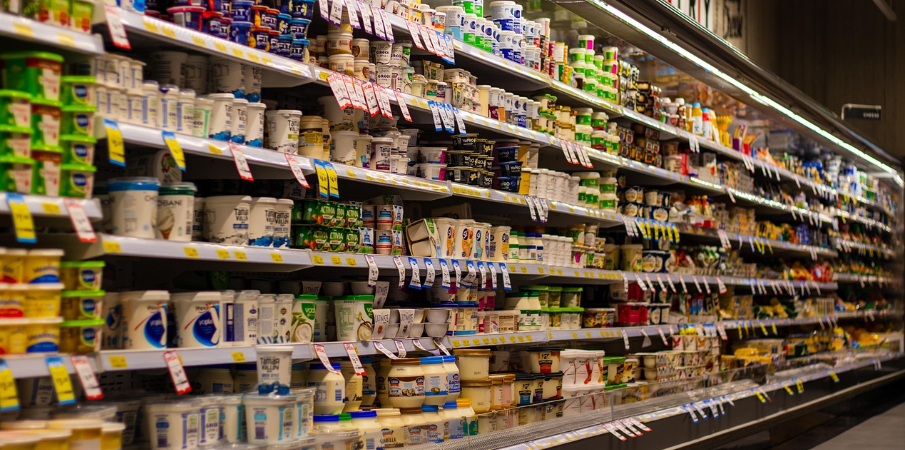
Consumer goods are the final products or services purchased by individuals or households for personal use. These goods directly satisfy consumer needs or wants and are not meant to be reused in further production.
Examples range from groceries and clothing to electronics, cars, and home appliances. When you buy a loaf of bread, a winter coat, or a new smartphone, you are purchasing consumer goods.
Consumer goods are often called “final goods” because they represent the end of the production chain. Unlike capital goods, which help create more value, consumer goods complete the cycle by providing value directly to individuals.
Economists further break consumer goods into categories:
- Durable goods: Long-lasting products such as refrigerators, furniture, or cars.
- Nondurable goods: Items consumed quickly like food, beverages, and toiletries.
- Services: Intangible offerings such as dental care, tutoring, or car repairs.
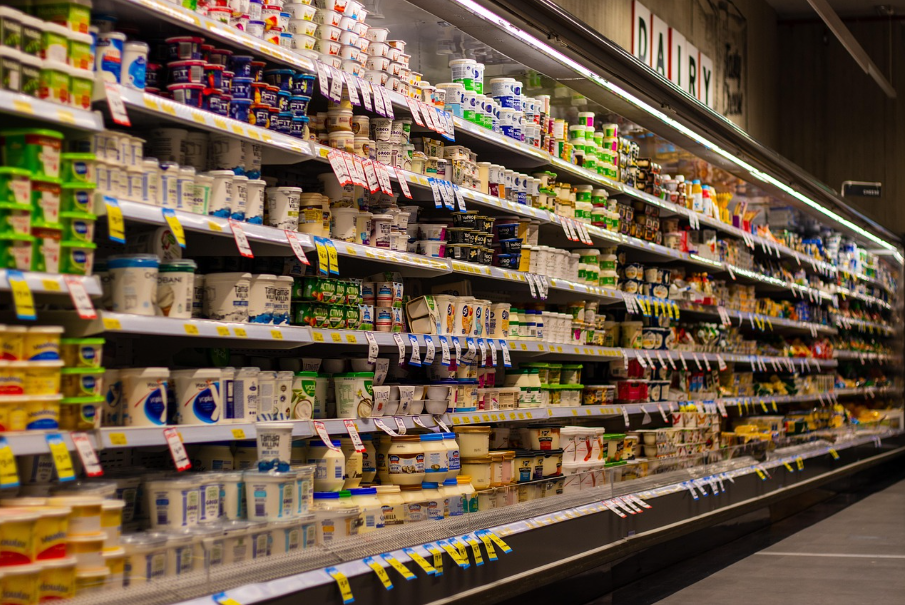
Another large subset of consumer goods is known as fast-moving consumer goods (FMCGs)—low-cost products that sell quickly and are consumed almost immediately, such as soft drinks, bread, or over-the-counter medication.
The Different Types of Consumer Goods
To understand how people buy, economists classify consumer goods into four distinct types:
- Convenience goods: Everyday essentials bought with minimal effort, like milk or soap.
- Shopping goods: Products requiring more consideration, such as televisions, couches, or home appliances.
- Specialty goods: Niche or luxury items like fine jewelry or high-end designer clothing, which attract devoted buyers.
- Unsought goods: Items that consumers don’t typically seek out, such as fire extinguishers or life insurance, often purchased out of necessity rather than desire.
Consumer behavior drives demand for these categories, influencing how businesses market and distribute their products.
Capital Goods in Practice
Capital goods encompass a broad spectrum of physical assets used in business. These include:
- Heavy machinery in manufacturing plants.
- Commercial vehicles used by transport companies.
- Office buildings and warehouses.
- Construction tools like cranes and excavators.
- Technology infrastructure such as servers and industrial-grade computers.
The common factor is that they are inputs into production. Businesses purchase these goods with the goal of producing something else—whether that is bread, smartphones, or transportation services. Without capital goods, large-scale production and modern commerce would not be possible.
Key Differences Between Capital and Consumer Goods
Although they may overlap in physical form, capital and consumer goods serve different roles.
- Purpose: Capital goods exist to produce other goods, while consumer goods exist to be enjoyed directly by end-users.
- End users: Businesses are the buyers of capital goods, while households and individuals purchase consumer goods.
- Demand: Consumer goods reflect direct demand—they satisfy needs immediately. Capital goods have derived demand, meaning their value depends on the consumer goods they help produce.
- Marketing approach: Consumer goods fall into the business-to-consumer (B2C) market, while capital goods are marketed in the business-to-business (B2B) environment.
Take, for example, a bakery. The ovens, mixers, and delivery vans it buys are capital goods. The cakes and loaves of bread it sells to customers are consumer goods.
A Shared Example
The easiest way to see how context matters is through a single product serving both roles. Consider a car. If a family buys a sedan for personal use, it is a consumer good. But if a rideshare company buys that same model of car to provide taxi services, it becomes a capital good.
The classification doesn’t change the physical object—it changes based on usage. This flexibility underscores why economists focus on function rather than form when defining goods.
Durable Goods and Overlap
Durable goods often create confusion because they can fall into either category. A washing machine bought for home use is a consumer good. The same type of machine bought by a laundromat is a capital good.
This overlap is common with cars, computers, and appliances. The classification comes down to intent: is the item serving production or consumption?
Capital Goods vs Capital Stock
It’s easy to confuse capital goods with capital stock, but they are not the same.
- Capital goods: Physical, man-made assets businesses use in production.
- Capital stock: The total amount of capital goods a company owns, such as all of its machinery, property, and equipment.
In finance, capital stock can also refer to the number of shares a company is authorized to issue. That meaning is different from the economic context but important to distinguish.
Regulation and Consumer Goods
Consumer goods are heavily regulated to ensure safety and protect buyers. In the United States, the Consumer Product Safety Act of 1972 created the Consumer Product Safety Commission (CPSC), which oversees product standards. The CPSC can demand recalls or ban unsafe products, making consumer protection a cornerstone of the marketplace.
Capital goods, on the other hand, are not regulated in the same way because they are sold business-to-business. However, workplace safety laws may govern their use, especially in manufacturing and construction industries.
Fast-Moving Consumer Goods
One of the largest and most important categories in retail is FMCG. These products are low-priced, high-turnover items that are sold in massive quantities. From soda and bottled water to over-the-counter medicine and packaged snacks, FMCG items keep consumer markets moving.
Their speed of turnover and relatively low margins mean businesses rely on volume. Supermarkets and convenience stores thrive on FMCG sales, and marketing strategies often focus on brand recognition and loyalty.
Houses: Capital or Consumer Goods?
Housing provides an interesting case study. A typical house purchased for family living is a consumer good. But if that house is used commercially—like a hotel, rental property, or guesthouse—it becomes a capital good.
This dual classification demonstrates the flexibility of the definitions and highlights the importance of intent of use in determining whether something is a capital or consumer good.
Why the Distinction Matters
The difference between capital and consumer goods goes beyond semantics. It has real implications for business strategy, economic policy, and even stock market analysis.
- For businesses, understanding the classification determines tax treatment, depreciation schedules, and marketing strategy.
- For economists, distinguishing between the two helps measure investment levels versus consumption in an economy, indicators that influence growth forecasts.
- For governments, policies that encourage investment in capital goods often aim to boost productivity and long-term economic output.
The Interdependence of Capital and Consumer Goods
Although they are distinct categories, capital and consumer goods are deeply interdependent. Businesses must invest in capital goods to produce consumer goods, while consumer demand drives the need for capital goods. Without consumer demand, businesses would not invest in machinery or tools. Without capital goods, consumer goods would not exist in large enough quantities to satisfy demand.
This cycle underscores the balance within an economy. Growth often depends on a healthy mix of both capital investment and consumer spending.
Examples Across Industries
- Agriculture: Tractors and irrigation systems are capital goods. The crops harvested—corn, wheat, or apples—are consumer goods.
- Technology: Industrial servers in a data center are capital goods. Personal laptops and smartphones are consumer goods.
- Healthcare: Hospital MRI machines are capital goods. Prescription drugs bought at a pharmacy are consumer goods.
- Construction: Cranes and bulldozers are capital goods. Residential homes built for families are consumer goods.
These examples show how both categories play essential roles in every sector.
Conclusion
Capital goods and consumer goods may appear similar, but their economic roles are distinct. Capital goods are the backbone of production, enabling businesses to create and deliver value. Consumer goods are the final destination of that value, directly satisfying human needs and wants.
The same object can shift categories depending on how it is used, underscoring the importance of context. By understanding the difference, businesses can make better investment decisions, consumers can see the bigger picture of how products are made, and policymakers can shape economies that balance production and consumption.
Ultimately, the relationship between capital and consumer goods is symbiotic. Capital goods fuel production; consumer goods sustain demand. Together, they form the foundation of modern economies.
Frequently Asked Questions
What are capital goods?
Capital goods are man-made assets like machinery, tools, or buildings that businesses use to produce goods and services rather than consume directly.
What are consumer goods?
Consumer goods are the final products purchased for personal use, such as food, clothing, electronics, and cars, which directly satisfy needs and wants.
Can the same item be both a capital and consumer good?
Yes, the classification depends on usage. A car used by a rideshare company is a capital good, but the same car used by a family is a consumer good.
How are consumer goods categorized?
They can be convenience goods, shopping goods, specialty goods, or unsought goods, based on how often they’re purchased and the effort involved.
What is the main difference between capital and consumer goods?
Capital goods are used for production by businesses, while consumer goods are meant for immediate personal consumption by individuals or households.
Do durable goods fall into both categories?
Yes, durable goods like appliances or vehicles can be capital goods when used in production or consumer goods when bought for household use.
Why does the distinction matter for the economy?
It helps measure investment versus consumption, guiding business strategies and government policies aimed at boosting productivity and growth.
How are consumer goods regulated?
In the U.S., the Consumer Product Safety Commission oversees their safety, with authority to recall or ban unsafe products to protect buyers.