
For many people, the idea of buying shares for the first time brings both excitement and fear. The stock market has a reputation for creating wealth, yet it is also known for unpredictable ups and downs. What many new investors overlook is that the success of their financial journey often depends less on the stocks they initially pick and more on the preparation they do beforehand.
Before making that very first trade, there are two fundamental steps that can help build a strong foundation. By securing your financial safety net and defining the purpose of your investments, you give yourself a clear path forward. These steps may not be as thrilling as selecting a hot stock, but they are far more important in shaping long-term success.

Start With a Safety Net
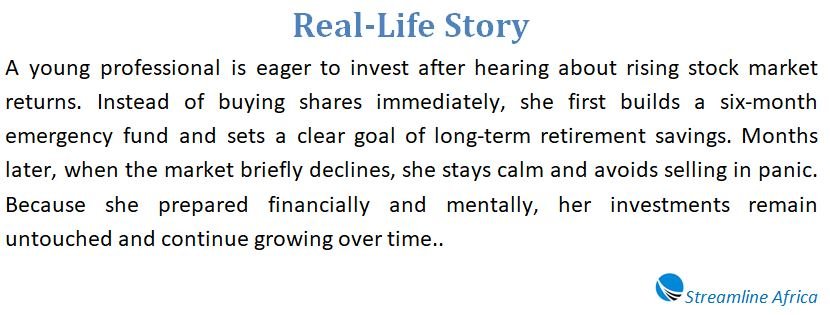
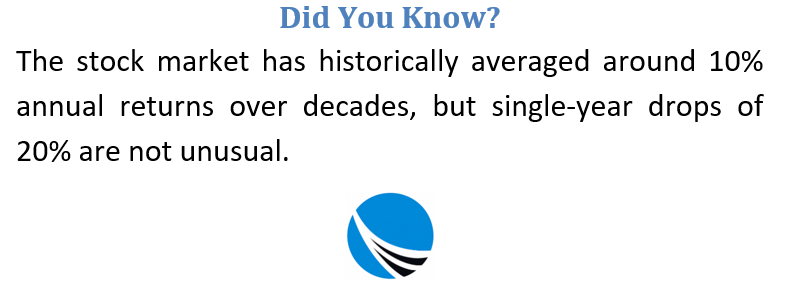
The stock market has historically rewarded patient investors, but it is also volatile. A sharp downturn of 15% to 20% in a bad year is not unusual. Without an emergency reserve, unexpected costs—such as losing a job or facing a medical emergency—could force you to sell investments at a loss, right when you most need them to grow.
This is why financial professionals consistently emphasize the importance of having an emergency fund in place before investing. Ideally, this fund should cover three to six months of essential living expenses like rent, food, insurance, and utilities. The money should sit in a separate account from your everyday spending, so you are not tempted to dip into it for non-emergencies.
The easiest way to build this cushion is through small, regular contributions. Automating deposits from each paycheck ensures that your fund grows steadily without requiring constant attention. Once you reach the amount that gives you peace of mind, you can confidently take on the risks that come with investing in stocks.
Define Your “Why” Before You Choose Your “What”
Jumping into the stock market without a clear purpose is like setting off on a road trip without a destination—you may end up driving in circles. A thoughtful investor begins by identifying the reason for investing. Is it to retire comfortably, save for a child’s education, buy a house in a few years, or simply grow wealth over decades?
Each of these goals carries its own timeline, and that timeline should guide the type of investments you choose. A retirement goal thirty years away allows for a portfolio that leans heavily on stocks, since there is plenty of time to ride out market turbulence. On the other hand, saving for a down payment within five years requires a more conservative approach, perhaps using bonds or high-yield savings accounts that preserve capital.
Understanding your risk tolerance is also vital. Some people are comfortable with the ups and downs of the market, while others lose sleep at the slightest dip in value. Being honest with yourself about how much risk you can handle will help you avoid panicked decisions that could derail your plan.
Exploring Investment Paths
Once you have both your safety net and your goals in place, it’s time to think about how you want to approach investing. There isn’t one right answer—different approaches suit different personalities and circumstances.
For those who prefer simplicity and low costs, investing in broad market index funds is a common route. These funds provide instant diversification, spreading your money across many companies at once, and often perform better than actively managed portfolios over time. The key is to stick with investments you understand; avoid putting money into businesses whose operations are a mystery to you.
Another increasingly popular option is robo-advisors. These digital platforms use algorithms to automatically manage your portfolio, handling asset allocation and rebalancing with little effort on your part. For beginners who want to be hands-off, this can be a stress-free way to get started at a relatively low cost.
If your financial situation is complex, or if you prefer a more personal touch, a human financial advisor may be the best choice. A professional can help with more than just investments—they can also guide you on taxes, insurance, estate planning, and retirement strategies, giving you a holistic financial picture.
The Importance of a Written Plan
Whichever path you choose, putting your intentions into writing is critical. A written plan acts as a compass, reminding you of your goals and strategies during times of uncertainty. This plan should include the mix of assets you want to hold, how much you will contribute regularly, and when you will review and rebalance your portfolio.
Marking specific dates on your calendar for these reviews prevents you from making impulsive moves based on short-term market swings. Life changes, such as a new job, marriage, or the arrival of children, may also require adjustments to your investment plan. Having a schedule to revisit your strategy ensures it always aligns with your current goals and circumstances.

Why These Steps Matter
It’s tempting to dive into the market with the hope of quick gains, but skipping these foundational steps can be costly. Without a financial cushion, you may be forced into selling investments during downturns. Without clear goals, you risk chasing trends or making emotional decisions that don’t serve your future.
These initial preparations act as guardrails, protecting your financial journey from common pitfalls. They encourage discipline, help you stay focused during turbulent times, and allow your investments to compound effectively over the years.
Final Thoughts
Investing in stocks is one of the most powerful ways to build wealth, but it works best when approached with preparation and clarity. Before analyzing charts or picking companies, ensure you have a safety buffer in the form of an emergency fund. Then, take the time to define why you’re investing and what you hope to achieve.
Once these steps are complete, you can choose the approach that best suits your personality and financial situation—whether it’s index funds, robo-advisors, or working with a financial professional. Finally, capture your strategy in writing and commit to reviewing it regularly.
These early actions may not be as glamorous as chasing the next big stock, but they provide the stable foundation every successful investor relies on. With your safety net secured and your goals set, each share you buy becomes more than just an investment—it becomes a building block toward the life you envision.
Commonly Asked Questions
Why should I have an emergency fund before investing?
Because stocks are volatile, and without a cash cushion, unexpected expenses could force you to sell investments at a loss.
How much should my emergency fund cover?
Aim for three to six months of essential living costs like rent, food, and utilities, kept in a separate account.
Why do I need clear goals before buying stocks?
Goals give your investing purpose and timeline, guiding whether you take more risks with stocks or stick to safer options.
What if I want to invest for short-term goals?
For near-term needs, safer choices like bonds, CDs, or high-yield savings accounts help protect your money from market swings.
What’s a simple way for beginners to invest?
Broad market index funds are low-cost, easy to understand, and provide instant diversification for long-term growth.
Are robo-advisors a good option?
Yes, robo-advisors automatically manage and rebalance portfolios for a small fee, making them ideal for beginners who prefer a hands-off approach.
Why is a written plan so important?
A written plan keeps you focused, prevents emotional decisions, and provides a schedule for reviewing and adjusting your portfolio as life changes.