

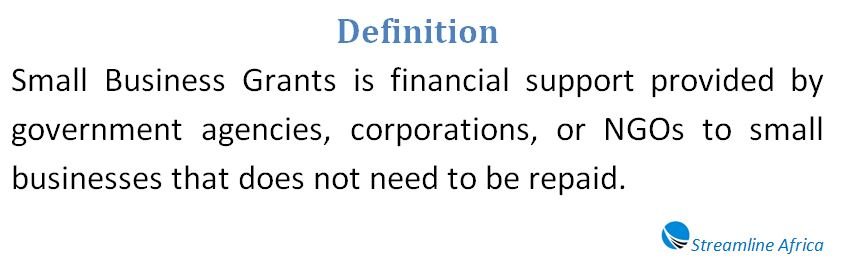
Securing adequate funding remains one of the biggest challenges for small business owners in Ghana. While loans from banks, microfinance institutions, and personal investment often dominate the conversation, grants offer a unique advantage: they do not need to be repaid. These grants are provided by a mix of public institutions, local government bodies, NGOs, and corporations operating in Ghana. They aim to help entrepreneurs expand operations, invest in innovation, or stabilize their businesses. However, accessing these grants is highly competitive and requires careful planning, research, and strategy. Knowing where to look, understanding the criteria, and preparing a strong application are key steps to securing funding.
Grants in Ghana are often designed to stimulate specific types of business activity. These could include agricultural innovation, technological solutions, exporting goods, supporting female entrepreneurs, or fostering youth-led startups. The alignment between a business’s mission and the grant provider’s objectives is crucial. This means entrepreneurs need to research opportunities thoroughly and select grants that are the best match before applying.
Types of Small Business Grants in Ghana
Small business grants in Ghana typically come from three main sources: government programs, local or regional initiatives, and corporate or nonprofit programs. Each type of grant follows specific rules and has unique eligibility requirements, but all provide valuable financial support when approached strategically.

Government Grants for Small Businesses
At the national level, the Government of Ghana and its agencies run several programs aimed at supporting entrepreneurs. Key platforms such as the National Board for Small Scale Industries (NBSSI) provide information on available grants and manage programs for small businesses across various sectors. Grants can be offered to start-ups or expanding businesses in areas such as agriculture, technology, renewable energy, and manufacturing.
For instance, NBSSI frequently collaborates with development partners to offer financial support to women entrepreneurs and youth-led businesses. Similarly, the Ghana Export Promotion Authority (GEPA) provides grants and resources to businesses looking to access international markets. Through initiatives like trade fairs and export training, small companies can gain funding and technical assistance to compete abroad without overextending their local resources.
Local government authorities also play a role in grant allocation. Metropolitan, Municipal, and District Assemblies (MMDAs) sometimes offer grants for community-based businesses or projects that promote local economic growth. These grants can fund small-scale manufacturing, agro-processing, or services that generate employment in the community.
Regional and District-Level Grant Programs
Many regional bodies and district assemblies in Ghana administer grants designed to stimulate economic activity locally. These programs often support businesses in underdeveloped or rural areas, encouraging innovation, job creation, and the development of new markets.
For example, agricultural grants are frequently available in northern Ghana to support farming initiatives, livestock projects, and food processing enterprises. Similarly, grants for tech and creative startups may be offered in Accra, Kumasi, or Takoradi to strengthen innovation hubs and incubators. These grants help businesses grow, create jobs, and increase productivity, ultimately benefiting local economies.
Entrepreneurs can discover these opportunities by consulting regional development offices, local Chambers of Commerce, or programs run by the Ministry of Trade and Industry. Networking with local business associations can also provide valuable leads on grants that are not widely advertised.
Corporate and Nonprofit Grants in Ghana
In addition to government programs, many corporate organizations and nonprofits offer grants to Ghanaian small businesses. These grants often provide more than just financial support—they can include mentorship, training, marketing assistance, and access to networks.
Some large corporations run annual competitions that award grants to selected small businesses. For example, banks and telecommunication companies sometimes provide grant funding to businesses that demonstrate innovation or have a social impact component. NGOs such as the African Development Foundation or Ashesi University’s entrepreneurial initiatives also award grants to women, youth, and socially disadvantaged business owners.
Corporate programs often showcase past winners to provide guidance on what makes an application successful. Studying these examples allows new applicants to tailor their proposals effectively and understand what judges are looking for in terms of feasibility, impact, and business potential.
Meeting Eligibility Requirements
Grants are typically targeted at specific business types or owners, making eligibility a critical factor. Some grants prioritize women-owned businesses, youth-led enterprises, agricultural projects, or tech innovations. Others may focus on businesses in rural communities or sectors aligned with national development priorities.
To maximize the chances of success, entrepreneurs must ensure they meet all eligibility criteria before applying. This includes gathering necessary documentation, preparing financial statements, and clearly defining the intended use of grant funds. Applications that are incomplete or unclear are often rejected, even if the business itself is a strong candidate.
Studying previous recipients can also provide useful insights into what grant providers value most. Applicants can then position their business strategy and proposal to reflect those priorities.
Applying for Grants: Tips and Best Practices
Grant applications in Ghana can be highly competitive, so careful preparation is essential. Entrepreneurs should pay attention to deadlines and submit their applications well in advance to avoid last-minute issues. Some programs accept applications year-round, while others have quarterly or annual windows.
Writing a grant application is a skill. Business owners should clearly communicate their business goals, explain how the grant will be used, and outline measurable outcomes. Seeking feedback from mentors, peers, or experienced consultants can help improve clarity, eliminate errors, and strengthen the proposal. A polished, well-organized application can make a significant difference in a competitive field.
Eligibility Considerations for Ghanaian Businesses
To qualify for most small business grants in Ghana, a business generally needs to be formally registered with the Registrar General’s Department. Entrepreneurs must also have their taxes in order, maintain proper financial records, and be able to prove operational capacity. For grants targeting women, youth, or rural enterprises, additional documentation may be required to verify ownership or social impact.
Loans vs. Grants: How They Differ
Unlike loans, grants do not require repayment, making them a highly attractive option for small business owners. However, grant money must typically be used for a specific purpose, such as purchasing equipment, marketing, research, or training. Loan programs, including those from the Development Bank of Ghana or commercial banks, allow more flexibility but come with repayment obligations. Combining grants with loans can be a smart strategy for businesses looking to balance funding flexibility and cost.
Limitations of Grants
While grants provide funding without repayment, they are not unrestricted. Businesses must adhere to the grant guidelines, provide evidence of spending, and often report outcomes to the funding body. For some entrepreneurs, these requirements can feel restrictive, but they also ensure transparency and accountability in how funds are used.
Final Thoughts
Small business grants in Ghana are an invaluable resource for entrepreneurs looking to grow, innovate, and create jobs. They provide financial support without the burden of repayment and can offer additional benefits like mentorship, training, and networking opportunities. However, grants are competitive, and success depends on research, preparation, and careful alignment with the grant’s objectives.
By strategically identifying suitable grant programs, preparing thorough applications, and leveraging support from government agencies, business associations, and corporate initiatives, Ghanaian entrepreneurs can make grants a core component of their funding strategy alongside loans and personal investment.
FAQs
Who is eligible for small business grants?
Eligibility varies, but typically a business must be registered, operational, and meet the specific criteria of the grant program.
Are grants only for start-ups?
Not always. Many grants support existing businesses looking to expand, innovate, or participate in trade and export initiatives.
Which government agencies provide grants in Ghana?
Key agencies include the NBSSI, Ghana Export Promotion Authority (GEPA), and some district assemblies or regional development offices.
Can women-owned businesses access special grants?
Yes. Several programs specifically target women entrepreneurs, including those run by NBSSI, GEPA, and corporate initiatives.
Do grants require repayment?
No, the main advantage of grants is that the funds do not need to be repaid, though spending must comply with grant guidelines.
Can businesses in rural areas apply for grants?
Yes. Many grants target rural or underserved communities to encourage local economic growth and job creation.
How competitive are grants in Ghana?
Grants are highly competitive, with many applicants for limited funding. Careful preparation and alignment with criteria are essential.
What documents are typically required?
Businesses usually need registration certificates, tax compliance documents, financial records, and proof of ownership or eligibility.
Can grants be used for any business purpose?
Funds are usually earmarked for specific purposes, such as equipment, research, training, marketing, or export activities.
Where can I find available grant opportunities?
Resources include NBSSI offices, local district assemblies, GEPA, corporate websites, NGOs, and local business associations.