
Across Ghana, rabbit farming is rising in popularity as more people seek practical and profitable ways to enter agribusiness. With increasing attention on healthier diets, efficient livestock systems, and income-generating ventures that require modest investment, rabbit production has become a compelling option for both rural and urban households. The ability to start small, grow gradually, and maintain low daily costs makes this enterprise suitable for students, families, retirees, and anyone hoping to diversify their income.
Why More Ghanaians Are Turning to Rabbits
Rabbit farming’s appeal begins with the animals themselves. Rabbits naturally multiply at a much faster rate than most livestock. A single mature female can produce several litters within one year, and each litter typically contains multiple young. This rapid reproduction cycle means a farmer can build stock quickly without needing large numbers of initial breeders.
Compared to goats or poultry, rabbits are easier to maintain. They consume less feed, occupy limited space, and require only small amounts of water to stay healthy. Their quiet nature and small size also make them ideal for individuals who do not have expansive farmland. A person with a backyard or unused corner of a compound can establish a thriving rabbit unit with simple housing structures.
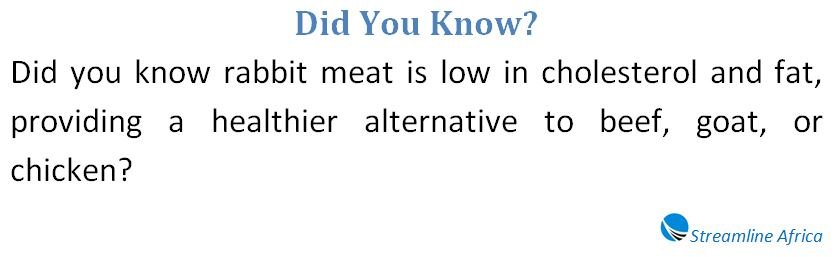
Nutritionally, rabbit meat is gaining recognition in Ghana. Its low fat and high protein content appeal to many health-focused consumers. As awareness grows around heart-friendly diets and leaner protein options, rabbit meat is becoming an attractive alternative. This shift in consumer preference is contributing to steady demand for rabbits across communities.
Another benefit often overlooked is the value of rabbit manure. Unlike some animal waste, rabbit droppings can be applied directly to soil without composting. This makes it a valuable organic fertilizer that supports vegetable growers and small crop farmers aiming to enrich their soil naturally.
Laying the Foundation for a Rabbit Farm
Starting a rabbit farm is simple, but success requires planning and consistency. The first step is creating proper housing. Rabbit hutches should be lifted off the ground, protected from predators, and designed to allow free airflow. Maintaining a clean environment is crucial, as poor hygiene can increase disease risks. Wooden frames, wire mesh, and simple roofing materials are enough to build durable huts suitable for most climatic conditions in Ghana.
Choosing the right breed is equally important. While many breeds can thrive locally, farmers often prefer types known for good growth rates and meat quality. Selecting strong, healthy breeders from reliable sources ensures a better start and reduces losses from illness or poor reproduction.
Feeding routines must be balanced and consistent. Rabbits can eat a variety of items, including pellets, grasses, fresh leaves, and kitchen vegetable scraps. However, feeding should be controlled to avoid digestive problems. Clean drinking water should always be available, especially during hot seasons.
Good health management practices—such as timely cleaning, monitoring for unusual behavior, and minimizing overcrowding—help prevent disease outbreaks. Farmers who keep detailed records of breeding, feeding, and growth can track progress and make informed decisions as their farms expand.
Emerging Market Demand Across Ghana
The rabbit market in Ghana is gradually expanding as more consumers discover its nutritional and culinary value. Many households are now incorporating rabbit meat into their diets, appreciating its mild flavor and tenderness. Some restaurants and hotels are introducing rabbit-based dishes to satisfy customers seeking new or healthier meal options.
Farmers also benefit from multiple income streams. Beyond selling processed meat, they can offer breeding stock to new farmers or sell live rabbits for ceremonial, cultural, or household uses. Some people purchase rabbits as pets or for educational purposes, adding diversity to market opportunities.
Local markets, community networks, and social media platforms have become effective channels for farmers to promote and sell their rabbits. Word-of-mouth referrals also help new farmers connect with steady buyers. As awareness grows, the demand for well-raised rabbits continues to strengthen.
Training and Knowledge Resources for New Farmers
The success of many rabbit farmers today is supported by access to learning materials and mentorship. Numerous agricultural groups, online communities, regional workshops, and experienced farmers share practical knowledge to help beginners avoid common pitfalls. These sources provide guidance on housing design, breeding patterns, feeding strategies, business planning, and disease prevention.
Many resources are available in Ghanaian languages, making them accessible to learners with various backgrounds. This widespread availability of information has encouraged more people to participate in rabbit farming with confidence, even if they have little previous experience in livestock management.
A Sustainable and Future-Ready Agribusiness
Rabbit farming is more than an income-generating activity—it is a sustainable production model that supports food security and empowers individuals to build self-reliant livelihoods. The combination of low start-up costs, fast production cycles, and growing market demand places rabbits among the most promising small livestock ventures in the country.
As Ghana continues to embrace innovation in agriculture, rabbit production stands out as an opportunity with long-term potential. With dedication, proper training, and consistent management, anyone can transform a small rabbit unit into a profitable agribusiness that contributes to household income and local nutrition.
For anyone considering a simple yet rewarding agricultural venture, rabbit farming offers a solid foundation and a bright future within Ghana’s evolving agribusiness landscape.