
When Kwame Owusu launched his agro-processing business on the outskirts of Kumasi, his main focus was sourcing quality raw materials and meeting demand from local retailers. What he did not anticipate was how critical social media would become to sustaining and expanding his business. Like many Ghanaian entrepreneurs today, Kwame discovered that online platforms are no longer just for social interaction—they are practical tools for visibility, customer engagement, and commercial growth.
Across Ghana, from fashion startups in Accra to logistics services in Takoradi, social media has reshaped how businesses communicate with customers. It provides an accessible way for companies of all sizes to share their story, attract interest, and remain competitive in a rapidly evolving market. However, its impact is often misunderstood, and success depends on using it strategically rather than expectantly.
Why social media matters for Ghanaian businesses
Social media allows businesses in Ghana to move beyond traditional word-of-mouth and local foot traffic. Instead of relying solely on physical presence or radio adverts, entrepreneurs can now reach audiences across regions and even beyond national borders.
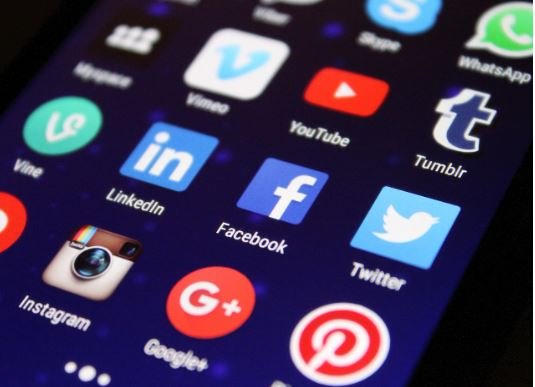
Platforms such as Facebook, Instagram, TikTok, and X make it easier to showcase products, explain services, and communicate brand values. Importantly, these platforms offer targeting options that help businesses focus on specific demographics, including age, location, interests, and purchasing habits. For a catering service in Tema or a skincare brand in Cape Coast, this means marketing budgets can be used more efficiently.
That said, social media is not a miracle solution. Growth on these platforms requires consistency, patience, and an understanding of how audiences behave online. Businesses that approach social media casually often struggle to see meaningful results.
How social media helps businesses grow
One of the most immediate benefits of social media is increased brand awareness. Regular posting helps businesses introduce themselves to new audiences who may never have encountered their products or services. Over time, consistent visibility builds familiarity, which is a key driver of trust in the Ghanaian market.
Social media also strengthens customer relationships. Many Ghanaian consumers prefer brands that feel approachable and responsive. When businesses reply to comments, respond to direct messages, or acknowledge customer feedback, they demonstrate accountability and professionalism. For example, a tailoring shop in Madina used WhatsApp and Instagram to share customer fittings and respond quickly to inquiries, leading to higher repeat patronage.
Lead generation is another important advantage. Through targeted ads and engaging content, businesses can attract people who are actively interested in what they offer. A small real estate firm in East Legon used Facebook campaigns to promote affordable housing options, capturing contact details from interested buyers and turning online interest into physical site visits.
Driving traffic to websites or online stores is another benefit. Social media posts can direct users to product pages, booking platforms, or informational blogs. Increased traffic often translates into more inquiries and sales, especially when content is aligned with customer needs.
From a cost perspective, social media marketing is relatively affordable. Compared to billboards or television adverts, social platforms allow businesses to test campaigns with smaller budgets. This flexibility makes social media particularly attractive for startups and small businesses operating with limited capital.
What social media cannot do for your business
Despite its advantages, social media has clear limitations. It cannot deliver instant success. Building a loyal following takes time, and engagement grows gradually. Businesses that expect immediate sales results often become discouraged too quickly.
Social media also cannot replace other marketing channels. Offline networking, customer referrals, quality service delivery, and traditional advertising still play important roles in Ghana’s business environment. Social media should support these efforts, not replace them.
Another misconception is that social media automatically establishes credibility or thought leadership. Expertise is built through consistent value, not frequent posting alone. While platforms increase visibility, trust is earned through experience, reliability, and delivery.
Reputation management is another area where social media has limits. While platforms can help communicate during challenges, they cannot fix poor customer service or weak products. A strong company culture, ethical practices, and customer satisfaction are what ultimately shape public perception.
Finally, social media cannot guarantee viral success. While some campaigns gain rapid attention, most businesses grow steadily rather than dramatically. Chasing viral trends can distract from long-term objectives and brand consistency.
Using social media effectively in Ghana
Effective use of social media begins with a clear strategy. Businesses should define what they want to achieve, whether that is increased awareness, more inquiries, improved customer service, or higher sales. Each goal requires a different content approach.
Consistency is equally important. Brand messaging, visuals, and tone should remain aligned across platforms. A beauty brand in Ho, for example, focused on educational content about skincare routines, positioning itself as helpful and trustworthy rather than overly promotional.
Engagement should be prioritized. Responding to comments and messages promptly shows professionalism and respect for customers’ time. In a competitive market, responsiveness can be a key differentiator.
Content relevance also matters. Posts should reflect the realities of the local market, using language, visuals, and examples that resonate with Ghanaian audiences. Authenticity often performs better than polished but disconnected content.
Finally, businesses should monitor performance regularly. Insights from platform analytics help identify what works and what does not, allowing for adjustments over time.
Final thoughts
When used intentionally, social media can play a powerful role in growing businesses across Ghana. It helps entrepreneurs expand their reach, build stronger customer relationships, and generate meaningful leads.
Success does not happen overnight. It comes from clear planning, consistent effort, and genuine engagement with audiences. By understanding both the strengths and limitations of social media, Ghanaian businesses can use it as a practical tool rather than a false promise.
The next step is simple: develop a strategy, start engaging, and refine your approach as you learn. Sustainable growth begins with purposeful action.
Frequently Asked Questions
Why Is Social Media Important for Businesses in Ghana?
Social media helps Ghanaian businesses reach customers beyond their immediate location, increase visibility, and stay competitive in a market where many consumers now discover brands online before making purchasing decisions.
Can Small Businesses Really Benefit from Social Media?
Yes. Even small businesses with limited budgets can use social media to promote products, engage customers, and generate leads without the high costs associated with traditional advertising channels.

Does Social Media Guarantee Fast Sales Growth?
No. Social media supports long-term growth, not instant results. Building trust, awareness, and engagement takes time, consistency, and patience.
How Does Social Media Improve Customer Relationships?
By responding to comments, answering messages, and acknowledging feedback, businesses show accessibility and care, which helps build loyalty and repeat patronage among customers.
What Role Does Targeting Play in Social Media Marketing?
Targeting allows businesses to focus their content and adverts on specific audiences based on location, age, interests, or behavior, helping them use their marketing budget more effectively.
Can Social Media Replace Other Marketing Methods?
No. Social media works best when combined with other strategies such as referrals, quality service delivery, offline networking, and traditional advertising.
Why Is Content Quality Important on Social Media?
Relevant and authentic content builds trust and keeps audiences engaged. Poor or inconsistent content can quickly reduce interest and credibility.
How Can Businesses Measure Social Media Success?
Success can be tracked through metrics such as engagement, website traffic, inquiries, and conversions, helping businesses adjust their strategy based on real performance data.