
Understanding Ghana’s Growing Pork Market
Across Ghana, the appetite for pork has expanded rapidly over the last few years. As urban lifestyles change and food choices diversify, many households and food businesses have embraced pork as a reliable and flavorful protein source. Restaurants, pork joints, hotels, bars, catering services, and home cooks all contribute to steady year-round demand that continues to rise.
Between 2020 and 2025, pork consumption increased noticeably, and today pork stands as the second most consumed meat in the country after chicken. Major cities such as Accra, Kumasi, and Takoradi drive much of this demand, creating vibrant markets where local farmers can earn meaningful income. However, despite how quickly the market is expanding, local production still falls short, and buyers frequently rely on imports or struggle to source quality meat consistently.
This supply gap makes pig farming one of the most promising agribusiness opportunities available to new and small-scale entrepreneurs. It is a sector where a modest investment can grow into a thriving operation, especially with the right planning, good farm management, and well-established market relationships.
Why Pig Farming Offers Strong Returns
Pig production is appealing for several reasons. To begin with, pigs convert feed into meat very efficiently compared to many other livestock species. This means that farmers get more meat output for every kilogram of feed consumed, reducing costs and improving profitability. Pigs also reproduce quickly, and the short gestation period of about 114 days allows farmers to build stock steadily within a short timeframe.
In addition, pigs mature relatively fast. A well-managed pig can reach market weight within six to eight months, offering quicker revenue cycles than many traditional farming ventures. These characteristics make pig farming ideal for individuals looking to grow a business that does not take years to show results.
Most importantly, pork consumption is not seasonal. Consumers purchase pork throughout the year, making it easier for farmers to predict income and plan their production cycles. Whether selling live pigs, fresh pork, or processed meat, producers find multiple avenues to generate returns.
For those with limited capital, a small fattening unit can be an excellent start. Weaners purchased at an early age can be grown to market size and sold to pork joints, cold stores, or processors. Entrepreneurs with more resources may choose to run a breeding operation, keeping a couple of sows to produce piglets for sale or fattening.
Getting Started: Planning Your Pig Farming Venture
Success begins with a clear understanding of what kind of pig farming you want to pursue. Some farmers focus solely on growing pigs for sale as meat. Others build breeding units to produce piglets. There are also opportunities in processing, such as producing sausages, pork chops, bacon, or smoked pork for niche markets.
No matter your chosen route, your first step is planning. Determine how much capital you can commit, where the farm will be located, and how you will source feed, water, and veterinary support. Once these basics are in place, the rest of the setup becomes much easier.
Choosing the Right Location
A suitable site is essential for pig health and efficient farm operations. The location should have reliable access to water because pigs and their housing require regular cleaning. A site close to a small stream, borehole, or household water supply is ideal.
Good road access is another important factor. Whether you plan to transport feed, piglets, or market-ready pigs, easy transportation helps reduce stress for the animals and saves costs. The land should be slightly elevated or well-drained so that water does not pool around the pens. Clean and dry environments reduce disease outbreaks and keep pigs comfortable.
Building Simple but Effective Housing
Pig housing does not require expensive materials. Many successful farmers use sturdy wood, blocks, roofing sheets, and strong fencing. The key is to create pens that are spacious, well-ventilated, and secure. Pens should be separated for different categories of pigs: weaners, growers, and breeders.
Floors should ideally be concrete or hard-packed earth that can be cleaned easily. Roofing should provide shade while allowing airflow to prevent overheating. A small wall at the bottom of the pen helps prevent piglets from escaping, while a raised feeder and drinker keeps water and feed clean.
Practical housing ensures pigs grow well, stay healthy, and avoid unnecessary stress.
Sourcing Quality Stock
Once your housing is ready, the next step is to obtain healthy piglets or breeding animals. This is one of the most important investments you will make. Quality stock reduces mortality, grows faster, and performs better.
It is always advisable to buy from reputable farms known for good breeding practices and proper hygiene. Healthy piglets should be active, alert, and have a good body condition. Avoid pigs that appear lethargic, have visible sores, or display signs of respiratory issues.
Some farmers choose to start with a pair of sows and a boar, while others prefer purchasing weaners to fatten. Either way, proper selection sets a strong foundation for your business.
Feeding and Nutrition
Feed is the largest cost in pig farming, so efficiency is critical. Pigs thrive when fed a balanced diet containing energy-rich ingredients, proteins, vitamins, and minerals. Commercial feed is available nationwide, but many farmers reduce costs by mixing their own formulations using maize, wheat bran, soybean meal, and agricultural by-products.
Regardless of your approach, pigs require clean water at all times. An uninterrupted water supply improves digestion, supports growth, and helps the animals maintain good health.
Ensuring Good Health and Disease Prevention
Healthy pigs grow faster and yield better profits, making disease prevention essential. Vaccination schedules should be followed carefully, and pigs should be dewormed at regular intervals. Clean pens, dry bedding, and routine sanitation reduce outbreaks of common conditions like mange, diarrhea, and respiratory infections.
Regular visits from veterinary officers or trained farm attendants can help identify problems early. Isolating sick pigs prevents the spread of illness and allows for proper treatment.
Managing the Farm Day by Day
Daily farm activities include feeding, cleaning, monitoring behavior, and checking for signs of illness. Farmers should keep accurate records of feed usage, weight gain, breeding dates, farrowing outcomes, and expenses. These records help in decision-making and show whether the business is profitable.
Farm management also includes reinforcing pens to prevent escapes. Pigs are intelligent animals and can push through weak structures. Strong fencing and proper gate locks are a must.
Preparing Pigs for Market
Fatteners are typically ready for sale between six and eight months, depending on feed quality, breed, and management. Before selling, farmers should weigh the pigs and assess their condition to determine the best price. Buyers range from pork joints to butchers, processors, and cold stores. Some farmers sell directly to households or operate small shops.
Building early relationships with buyers ensures that your pigs have a consistent market when they reach maturity. This reduces delays and helps maintain cash flow.
Tips for Building a Long-Lasting Pig Farm
New farmers can improve their chances of success by maintaining hygiene, keeping reliable records, joining farmer associations, and engaging with extension officers. These networks provide essential training, market connections, and updated information on feed, breeding, and disease control.
Farmers should prepare for challenges such as feed price fluctuations or disease outbreaks. Using farm by-products, adopting cost-effective feeding systems, and maintaining strong veterinary support help manage these risks.
Moving from Startup to Sustainable Business
Once you understand the basics and have experienced a few production cycles, scaling becomes easier. Many small-scale farmers expand gradually by adding more pens, improving their breeding stock, or introducing value-added products. Smoked pork, sausages, and cured meats all offer higher profit margins and can create unique market niches.
Pig farming in Ghana remains one of the most promising agricultural ventures. With the right planning, careful management, and a deep understanding of the market, individuals can build profitable enterprises that contribute to local food systems and create jobs in their communities.
Frequently Asked Questions
Why is pork consumption rising so quickly in Ghana?
Urban lifestyles, diverse food preferences, and the popularity of pork joints and restaurants have boosted demand. Pork is now widely accepted as a tasty and affordable protein option, especially in major cities.

What makes pig farming so profitable today?
The country’s pork consumption is growing faster than local production. This supply shortage creates opportunities for farmers who can deliver consistent, high-quality meat to buyers who are eager for reliable suppliers.
How much capital does a beginner need to start a small pig farm?
A micro-scale starter farm can begin with a few weaners and simple pens. Many beginners start with modest budgets because pig housing and feeding systems can be built gradually.
What production model should new farmers choose: breeding or fattening?
Fattening is easier for beginners because it has fewer technical demands and produces quicker income. Those looking for long-term operations can choose breeding to supply piglets to the market.
Why is location such an important part of pig farming?
Pigs require constant access to water for drinking and pen cleaning. Good roads also help farmers move pigs, feed, and supplies easily, reducing both stress on the animals and transport costs.
What should a proper pig house include?
A good pen should be spacious, well-ventilated, and easy to clean. Strong fencing, shade, and solid flooring help pigs stay healthy, reduce stress, and encourage steady growth.
How do I identify healthy piglets when starting out?
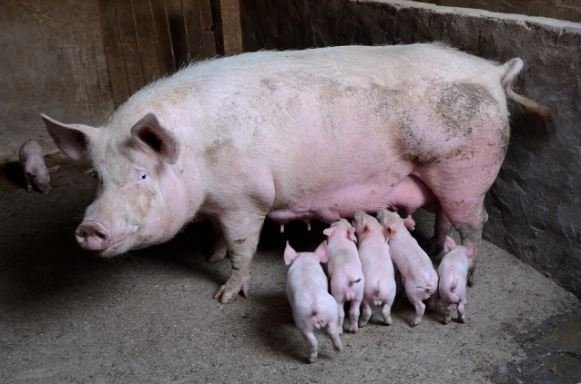
Healthy piglets are active, alert, and free from wounds or respiratory issues. Buying from reputable farms ensures better growth performance and reduces early losses.
What kind of feed do pigs need to grow well?
Pigs need a balanced diet containing energy sources, protein, minerals, and vitamins. Farmers can buy commercial feeds or mix their own using maize, wheat bran, soybean meal, and agricultural by-products.
How can farmers prevent disease outbreaks on a pig farm?
Cleanliness, vaccination, deworming, and daily sanitation help protect pigs from common infections. Isolating sick animals and seeking early veterinary support also reduce risks.
What daily routines are essential for running a pig farm?
Farmers must feed on schedule, clean pens, check for illness, and monitor growth. Accurate records of expenses, feed intake, and breeding cycles help determine profitability.
When are pigs ready for market?
Most pigs reach market weight between six and eight months. Their final price depends on size, body condition, and current demand from pork joints, butchers, and processors.
How can farmers secure consistent buyers?
Building strong relationships with pork joints, cold stores, and processors ensures steady demand. Early market research helps farmers know exactly who will buy their pigs before production begins.