

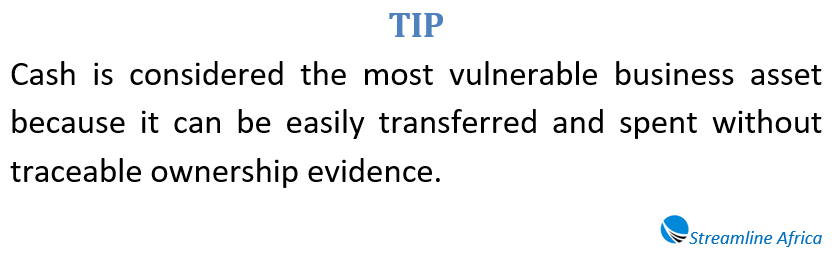
Cash remains one of the most sensitive and vulnerable resources within any organization. Because it is highly liquid and easily transferable, it requires strict supervision and well-structured procedures to prevent errors, theft, and mismanagement. In accounting and financial management, the term cash control refers to systems and procedures designed to regulate how cash is received, recorded, stored, and disbursed. These procedures help ensure accuracy in financial reporting while safeguarding company assets.
A cash control system typically involves formal guidelines, technologies, and policies that track daily financial transactions and monitor the movement of funds. Organizations rely on these systems to maintain reliable accounting records and ensure that funds are used only for legitimate business purposes. When companies establish strong cash control structures, they significantly reduce financial risks and improve transparency in operations.
Read Also: Why Internal Controls Are the Backbone of Financial Trust
The Importance of Cash Control in Financial Stability
Cash is often described as the backbone of business operations because it supports daily activities such as paying suppliers, compensating employees, and funding expansion projects. Without proper oversight, companies may experience financial leakages that can disrupt operations and damage organizational credibility.
One of the primary reasons businesses emphasize cash control is to prevent fraud and unauthorized transactions. Effective control systems limit opportunities for financial misconduct by establishing clear procedures and responsibilities. They also help maintain accurate financial statements by ensuring that all transactions are properly recorded and verified. These controls protect both organizations and employees, since defined procedures minimize misunderstandings and reduce accusations of financial misconduct.
In addition, sound cash control enhances managerial decision-making. When financial information is accurate and updated regularly, leaders can make informed strategic choices regarding investments, budgeting, and operational improvements. This reliability increases stakeholder confidence and strengthens corporate governance.
Key Objectives of Cash Control Systems
Organizations implement cash control mechanisms to achieve several essential goals. The first objective is asset protection. Since cash can be easily stolen or misused, companies must create policies that reduce access to funds and ensure accountability.
Another important objective is accuracy in financial reporting. Cash control procedures guarantee that transactions are recorded correctly and promptly, allowing organizations to produce trustworthy financial statements. This helps regulators, investors, and management evaluate the financial health of the business.
Cash control systems also promote operational efficiency. By organizing procedures for cash handling, businesses eliminate confusion and improve workflow consistency. Finally, these systems support compliance with legal and regulatory standards, helping companies avoid penalties and maintain professional credibility.
Components of an Effective Cash Control Framework
A strong cash control framework typically includes several interconnected elements. The first element is corporate governance, which defines leadership responsibilities and establishes ethical standards. Governance provides the overall structure for implementing internal controls.
Another component is risk assessment, which involves identifying areas where cash mismanagement may occur. Once risks are identified, organizations can design specific control activities to address them. Monitoring and communication also play vital roles because they ensure that control procedures are followed and updated when necessary.
Research on financial management frameworks demonstrates that organizations using comprehensive internal control systems experience fewer discrepancies and improved financial reliability. These frameworks emphasize monitoring performance, safeguarding assets, and improving operational transparency.
Segregation of Duties as a Core Cash Control Method
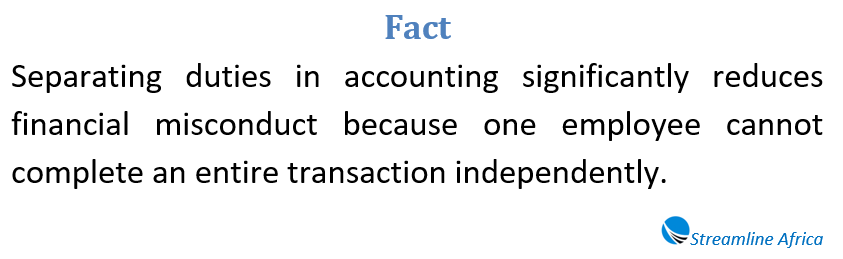
One of the most effective methods of controlling cash is segregation of duties. This principle requires dividing financial responsibilities among different employees to prevent one individual from having complete authority over a transaction.
Under segregation of duties, tasks such as authorization, recordkeeping, and physical custody of funds are assigned to separate individuals. This separation creates a system of checks and balances that reduces the likelihood of fraud and accounting errors. When different people manage these functions, irregularities become easier to detect.
For example, the employee who approves a payment should not be the same person who records the transaction or handles the actual cash. This arrangement ensures that no single individual can manipulate financial records without detection.
In practical terms, segregation of duties can also involve requiring multiple approvals for large payments or assigning independent staff members to verify financial records. These measures strengthen accountability and increase trust within financial operations.
Establishing Written Cash Handling Procedures
Another essential method of controlling cash involves developing clear written protocols for handling and disbursing funds. These procedures outline how employees should collect, record, store, and deposit cash.
Written guidelines reduce confusion by standardizing financial processes. They also ensure consistency, particularly in organizations with multiple departments or locations. When procedures are documented, new employees can easily understand expectations and perform their duties correctly.
Additionally, written protocols provide a reference for audits and compliance reviews. By documenting each step of cash handling, organizations create transparency that simplifies monitoring and evaluation.
Bank Reconciliation as a Monitoring Tool
Bank reconciliation is a widely used method for controlling cash. This process involves comparing an organization’s financial records with bank statements to identify discrepancies. By conducting regular reconciliations, companies can detect errors, unauthorized transactions, and recording mistakes.
The reconciliation process requires independence to be effective. Ideally, the employee responsible for reconciling bank statements should not handle cash transactions or maintain accounting records. This separation strengthens the reliability of the verification process.
Regular reconciliation also improves financial accuracy and enhances accountability. When discrepancies are discovered promptly, organizations can correct them before they escalate into major financial issues.

Control Over Cash Receipts
Managing incoming funds is another critical area of cash control. Organizations must ensure that all payments received from customers are properly documented and deposited into bank accounts without delay.
Strong controls over cash receipts include verifying payments at the point of collection, issuing receipts to customers, and maintaining detailed transaction records. These measures reduce the risk of unrecorded receipts and misappropriation of funds.
Many organizations implement dual verification processes in which two employees confirm the amount of cash received. This approach enhances accuracy and minimizes opportunities for manipulation. Regular deposit schedules also reduce the risk of theft by preventing large sums of cash from remaining on business premises.
Control Over Cash Disbursements
Cash disbursement refers to outgoing payments such as supplier invoices, employee wages, and operational expenses. Effective control over disbursements ensures that payments are made only with proper authorization and for legitimate business purposes.
Organizations often establish approval hierarchies to regulate payments. For instance, large payments may require multiple signatures or managerial authorization. These requirements prevent unauthorized spending and promote accountability.
Another control strategy involves restricting access to payment instruments such as checks or electronic transfer systems. By limiting access, organizations reduce the risk of fraudulent transactions and ensure proper oversight of outgoing funds.
The Role of Physical Security Measures
In addition to procedural controls, physical security plays an important role in protecting cash. Businesses often store funds in locked safes or restricted areas to prevent unauthorized access. Surveillance systems and controlled entry points further enhance security.
Physical security measures also include maintaining secure transportation procedures for transferring cash to banks. These measures ensure that funds remain protected throughout the cash handling process.
Although technology has introduced electronic payment systems, physical safeguards remain essential for businesses that handle physical currency or checks.
Petty Cash Management as a Control Method
Petty cash systems are commonly used to handle small, routine expenses. Despite the relatively small amounts involved, organizations must implement strict controls to prevent misuse.
A typical petty cash system involves appointing a custodian responsible for managing the fund and maintaining detailed records of transactions. Organizations periodically review and reconcile petty cash balances to ensure accuracy.
By requiring receipts and approvals for every petty cash transaction, businesses maintain accountability and prevent unauthorized spending. This method demonstrates how even minor financial activities require proper control procedures.
The Impact of Technology on Cash Control
Modern organizations increasingly rely on digital tools to strengthen cash control. Accounting software and online transaction systems provide real-time monitoring of financial activities. These tools automatically record transactions, reducing human errors and improving data accuracy.
Automation also enhances transparency by generating detailed audit trails. Managers can easily track financial activities and identify unusual transactions. Electronic payment systems further reduce the risks associated with handling physical cash.
However, technology does not eliminate the need for internal controls. Organizations must still implement segregation of duties, authorization procedures, and regular monitoring to ensure effective financial management.
Limitations of Cash Control Systems
While cash control systems are highly effective, they are not foolproof. Human error remains a significant limitation because employees may accidentally record transactions incorrectly. Additionally, fraud can still occur if employees collaborate to bypass control procedures.
Organizations must therefore maintain continuous monitoring and regular reviews of control systems. Training employees on financial policies and ethical responsibilities also reduces the likelihood of control failures.
Despite these limitations, strong internal control systems significantly improve financial reliability and reduce risks associated with cash management.
Strengthening Cash Control Through Organizational Culture
Beyond policies and procedures, organizational culture plays a major role in maintaining effective cash control. Companies that emphasize ethical behavior and accountability encourage employees to follow financial guidelines consistently.
Leadership commitment to transparency and compliance reinforces the importance of financial controls. When employees understand the value of protecting company assets, they become active participants in maintaining financial integrity.
Training programs, communication strategies, and performance monitoring further strengthen organizational commitment to effective cash control practices.
Conclusion
Cash control is a vital aspect of financial management that ensures organizations safeguard their most liquid and vulnerable asset. By implementing structured procedures such as segregation of duties, written protocols, bank reconciliation, and strict authorization processes, businesses reduce financial risks and improve operational efficiency.
Effective cash control systems support accurate financial reporting, prevent fraud, and enhance stakeholder confidence. While modern technology has transformed financial management, strong internal control principles remain essential for maintaining financial stability.
Organizations that invest in comprehensive cash control frameworks not only protect their resources but also create a foundation for sustainable growth and responsible financial management.
Frequently Asked Questions about Cash Control
Why Is Cash Control Important for Organizations?
Cash control is essential because cash is highly vulnerable to misuse due to its liquidity and easy transferability. Strong control systems help protect business funds, maintain accurate financial records, and increase trust among stakeholders and regulators.
What Is Segregation of Duties in Cash Control?
Segregation of duties involves dividing financial responsibilities among different employees so no single person controls an entire transaction. This method reduces fraud and errors by ensuring that authorization, recordkeeping, and custody of funds are handled separately.
How Do Organizations Control Cash Receipts?
Businesses control incoming funds by issuing receipts, recording transactions promptly, safeguarding collected cash, and depositing funds regularly into bank accounts. These steps help prevent unrecorded payments and reduce the chances of theft.
How Are Cash Payments or Disbursements Controlled?
Cash payments are regulated through authorization policies, approval limits, and signature controls. These procedures ensure that money is paid only for legitimate business expenses and properly recorded in financial records.
Why Is Bank Reconciliation Important in Cash Control?
Bank reconciliation compares company records with bank statements to identify errors, fraud, or missing transactions. This process helps ensure financial records remain accurate and reliable.
What Role Does Petty Cash Play in Cash Control?
Petty cash funds are used for small operational expenses. A custodian manages the fund, keeps receipts, and reconciles balances to ensure accountability and prevent misuse of small cash payments.
How Does Technology Improve Cash Control?
Accounting software and digital payment systems automate transaction recording, create audit trails, and improve monitoring. These tools reduce human errors and enhance transparency in financial operations.
What Happens When Cash Control Systems Are Weak?
Weak control systems increase the risk of fraud, financial inaccuracies, and operational losses. Poor monitoring may also damage organizational credibility and create compliance problems with regulators.